Comprehensive Guide to Recognising and Managing Golf Injuries on South African Courses
What are the prevalent types of golf injuries that South African golfers encounter?

Understanding the roots of golf injuries is vital for effective recovery. In South Africa, the unique environmental conditions of local golf courses significantly contribute to the types of injuries that golfers commonly face. For instance, in Gauteng, the challenging uneven surfaces and unpredictable weather can lead to frequent muscle strains and sprains. To effectively reduce the risk of these injuries, golfers should implement proper warm-up routines that adequately prepare their muscles and joints for the physical demands of the game. Moreover, the effects of altitude can also influence performance and increase the likelihood of injuries. By engaging in targeted warm-up exercises, golfers can improve their flexibility and stability, thereby significantly decreasing their chances of experiencing injuries while enjoying the stunning landscapes of South African golf courses.
What crucial symptoms should South African golfers be alert for?
In the diverse climates of South Africa, it is essential for golfers to stay vigilant regarding specific injury symptoms that can emerge from the hot weather and varied terrains. For example, the uneven fairways that are common in the Western Cape can worsen knee issues, prompting golfers to seek prompt medical attention. Common signs of golf-related injuries include:
- Pain or discomfort in joints, particularly the knees and wrist
- Swelling around the affected areas
- Limited range of motion
- Persistent fatigue or weakness in the limbs
- Challenges in executing standard swings
- Muscle spasms or tightness
Identifying these symptoms early on empowers golfers to address issues promptly, ensuring they remain active on the course and continue to enjoy their beloved sport.
How can South African healthcare professionals provide initial treatment for golf injuries?
When faced with injuries, it is imperative for South African golfers to seek immediate assistance from local healthcare professionals. In Johannesburg, physiotherapists are readily available and provide treatment options that align with the public health system, ensuring recovery is both accessible and affordable. Many of these practitioners specialise in sports injuries, offering personalised rehabilitation strategies that cater to the unique needs of golfers. It is advisable for golfers to consult these experts at the onset of their recovery, as they can conduct comprehensive assessments to ascertain the severity of the injury and propose tailored treatment plans designed to meet individual recovery goals.
What rehabilitation techniques yield the most effective outcomes for golf injuries in South Africa?
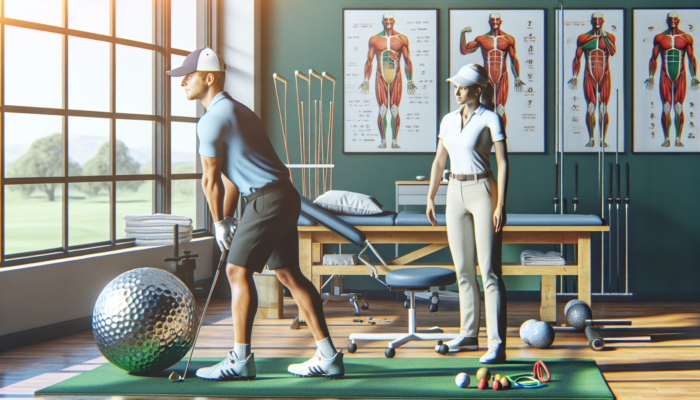
Effective rehabilitation is fundamental for South African golfers recovering from injuries. Clinics in Durban provide a variety of physiotherapy sessions aimed at rebuilding strength and preventing future complications. These sessions often include targeted exercises that focus on the specific muscles engaged during golf swings, aiding golfers in regaining full functionality. Furthermore, affordable rehabilitation options are available through local health initiatives, allowing golfers to receive necessary care without overwhelming financial strain. By integrating effective rehabilitation strategies, golfers can significantly shorten recovery times and enhance their performance on the golf course.
How Does Recovery Differ Across the Varied Climates of South Africa?
What influence does weather have on the recovery process for golfers?
The weather conditions throughout South Africa significantly affect the recovery processes for golfers. In regions like KwaZulu-Natal, the sunny climate can alter rehabilitation timelines, making hydration an essential component of recovery. Golfers are encouraged to maintain adequate hydration levels, particularly during hot spells, as this is crucial for optimal muscle function and speedy healing. Seeking shade during rehabilitation exercises can further mitigate the risk of heat-related complications. Adapting recovery strategies to suit local climatic conditions ensures golfers remain comfortable while receiving the essential support they need on their healing journeys.
How can golfers adapt their exercises to better fit their local environments?

Customising rehabilitation exercises to local environmental conditions is crucial for South African golfers. The coastal winds prevalent in the Eastern Cape can interfere with stability during exercise routines, necessitating adjustments to ensure safety and effectiveness. Golfers may find it advantageous to conduct exercises in sheltered areas to maintain balance and focus. For example, incorporating resistance bands or stability balls can boost strength without being hindered by strong winds. By tailoring their physical therapy routines to accommodate their surrounding environment, golfers can expedite recovery and achieve improved rehabilitation outcomes.
How can golfers effectively monitor their recovery progress with available resources?
Tracking recovery progress is vital for golfers on the path to recovery from injuries. Community clinics in Pretoria offer invaluable resources for monitoring advancements, providing regular assessments and constructive feedback. Additionally, free applications designed for South African users can assist in logging workouts and tracking progress, offering golfers a clear view of their recovery journey. Engaging with these resources not only fosters accountability but also enhances motivation, encouraging golfers to remain dedicated to their rehabilitation efforts.
Insights from Experts on Effective Recovery from Golf Injuries
What research underscores the benefits of physiotherapy for golfers in South Africa?
A wealth of evidence highlights the advantages of physiotherapy in South Africa, particularly regarding the treatment of golf injuries. Research conducted by local universities in Cape Town indicates that targeted rehabilitation methods can significantly accelerate healing times. Golfers who participate in physiotherapy report notable improvements in pain management and mobility. Practical recommendations for golfers include attending regular physiotherapy sessions tailored to their injuries and engaging in guided exercise programmes. By leveraging local research on rehabilitation, golfers can make informed decisions about their recovery, ultimately returning to the course with renewed confidence and capability.
How can golfers incorporate effective recovery techniques into their routines across South Africa?
South African sports medicine experts recommend various evidence-based recovery techniques that golfers can seamlessly integrate into their routines. These strategies, often employed during tournaments in Durban, highlight specific exercises designed to enhance performance and minimise the risk of re-injury. Golfers may find the following exercises particularly advantageous:
- Strength training focused on core stability
- Stretching routines targeting back and shoulder muscles
- Balance exercises using stability balls or wobble boards
- Low-impact cardio to maintain overall fitness
By integrating these exercises into their rehabilitation plans, golfers can optimise recovery and improve their performance on the course.
What long-term effects can rehabilitation have on golfers' performance?
Consistent engagement with specialists in Bloemfontein is essential for preventing recurring injuries among golfers. National health data indicates that ongoing follow-up treatments and personalised rehabilitation plans can significantly reduce the chances of re-injury. Expert evaluations suggest that golfers committed to long-term wellness strategies, such as regular physiotherapy and strength training, benefit from extended periods of peak performance. By prioritising sustained wellness, golfers can maintain their competitive edge while minimising the risk of future injuries.
How does sports psychology enhance the recovery journey for golfers?
The importance of psychological support in the rehabilitation process for South African golfers cannot be overstated. Therapists based in Johannesburg provide crucial mental health resources that help golfers navigate the emotional challenges associated with injuries. Techniques such as mindfulness and visualization can bolster mental resilience, allowing golfers to cope more effectively with setbacks. These strategies promote a holistic approach to care, ensuring that both physical and psychological aspects of recovery are thoroughly addressed. By engaging with sports psychology, golfers can significantly enhance their recovery experience, leading to improved outcomes on the course.
What advancements in medical technology are transforming the treatment of golf injuries?
Innovative medical technologies are revolutionising the treatment landscape for golf injuries in South Africa. Clinics in Durban are now employing ultrasound therapy, a modern technique recognised for its effectiveness in accelerating the healing process. This technology aids in reducing inflammation and promoting tissue repair, making it particularly beneficial for golfers recovering from various injuries. Practical advice for golfers includes inquiring about the availability of advanced treatment technologies during their recovery sessions to maximise their healing potential. Embracing these innovations can speed up recovery and enhance long-term mobility, ensuring golfers remain active on the course.
Research-Based Approaches for Recovering from Golf Injuries
What rehabilitation techniques are proven to deliver optimal results for golfers in South Africa?
How can golfers effectively incorporate rest into their daily routines?
Incorporating adequate rest into daily routines is paramount for golfers recovering from injuries. Striking a balance between rest and light activities at home in the Free State can prevent overexertion, allowing the body to heal effectively. Simple strategies include scheduling short breaks throughout the day and engaging in gentle stretching or walking to maintain movement without stressing the injured areas. By recognising the importance of rest and gradual activity, golfers can return to the game stronger and more resilient than ever before.
How can golfers build strength using accessible and affordable methods?
Building strength during rehabilitation does not need to be expensive. Local retailers in South Africa offer affordable equipment that golfers can easily incorporate into their home-based rehabilitation routines. Resistance bands, dumbbells, and stability balls serve as excellent tools for developing strength without the necessity of a gym membership. Furthermore, golfers can utilise their body weight for exercises such as push-ups and planks, which focus on core stability and upper body strength. By adapting their rehabilitation strategies to include accessible methods, golfers can effectively facilitate their recovery while remaining within budget.
How can community support structures assist golfers in tracking their recovery?
Joining golf clubs in the Northern Cape presents an excellent opportunity for golfers to monitor their recovery progress while connecting with supportive peers. Group sessions foster a sense of community, providing encouragement and motivation throughout the rehabilitation process. Golfers can organise regular check-ins to discuss their progress, share challenges, and celebrate achievements. By emphasising accountability within these communities, members can inspire one another to stay committed to their rehabilitation goals, leading to more effective recovery strategies.
What flexibility exercises can be integrated into rehabilitation routines?
Flexibility is crucial for injury prevention, and incorporating simple tools such as rubber bands from local markets in KwaZulu-Natal can significantly enhance rehabilitation regimens. These bands enable golfers to perform a variety of stretches that promote joint health and mobility. Recommended flexibility exercises include shoulder, hamstring, and wrist rotations, which can be seamlessly integrated into daily family activities. By prioritising flexibility within their rehabilitation efforts, golfers can substantially reduce the risk of future injuries while continuing to enjoy the sport they love.
How do nutrition and hydration contribute to optimal recovery following injuries?
Nutrition plays an essential role in the recovery journey for golfers. Incorporating traditional foods from the Western Cape, such as mielie meal and fresh fruits, provides vital nutrients that support healing processes. Additionally, emphasising hydration with local herbs like rooibos can further bolster recovery efforts, as maintaining hydration is critical for muscle function and joint health. By honouring cultural dietary practices while focusing on balanced nutrition, golfers can optimise their recovery and ensure they return to the course in peak condition.
Proactive Approaches for Preventing Future Golf Injuries in South Africa
How can golfers assess personal risks at their favourite courses?
Assessing personal risks at preferred golf courses is essential for South African golfers seeking to minimise injuries. Challenging terrains, particularly in areas like the Drakensberg, can present hazards that may lead to falls or strains. Golfers should routinely inspect their equipment to ensure they possess appropriate footwear and gear suited to the demanding landscape. By proactively identifying and addressing these risks, golfers can create a safer playing environment, significantly reducing the chances of injury while enjoying their time on the golf course.
What steps should golfers follow to develop a personalised injury prevention plan?
Creating a tailored injury prevention plan necessitates collaboration with trainers in Pretoria, with a focus on nutrition that aligns with local dietary preferences. Golfers must remain fit throughout the year, which can be achieved through a combination of strength training, flexibility exercises, and sound dietary choices. Establishing a schedule that incorporates regular training sessions alongside nutritional guidance can help golfers maintain peak physical condition. By committing to this proactive strategy, players can significantly reduce their risk of injuries while enhancing their overall golfing experience.
How can golfers stay informed about safety guidelines and best practices?
Staying updated on the latest safety information is crucial for golfers in South Africa. Participating in workshops in Cape Town led by experts from local golf associations can equip golfers with valuable insights and techniques to prevent injuries. These workshops typically cover best practices in equipment maintenance, course safety evaluations, and injury management strategies. By remaining engaged in continuous education, golfers can make informed choices that promote long-term injury prevention, fostering a safer and more enjoyable golfing experience.
Frequently Asked Questions (FAQs)
What are the common golf injuries that players experience?
The most common golf injuries include sprains, strains, and tendonitis, typically affecting the elbows, wrist, and knees. These injuries often result from repetitive movements, improper techniques, or insufficient warm-up routines.
How long does recovery usually take for a golfer with an injury?
The duration of recovery depends on the severity of the injury and the individual golfer. Minor injuries may resolve within a few days, while more serious conditions could take several weeks or months to heal, depending on the injury's severity and adherence to rehabilitation protocols.
Is it safe to continue playing golf while injured?
Generally, it is advisable to avoid playing golf while injured, as this could worsen the condition. Always consult a healthcare professional for personalised guidance on safely resuming play.
What is the significance of physiotherapy in the recovery process for golfers?
Physiotherapy aims to rehabilitate injured areas through targeted exercises and treatments, facilitating healing and restoring the strength, flexibility, and function necessary for a return to golfing activities.
Are there specific exercises that can help prevent golf injuries?
Indeed! Exercises that focus on core stability, leg strength, and flexibility can significantly lower the risk of injury. Incorporating these into your routine prepares the body for the physical demands of golfing.
How crucial is hydration during the recovery phase?
Hydration is essential during recovery as it supports muscle function, reduces fatigue, and promotes overall health. Consuming adequate amounts of water, especially in warmer climates, is vital for effective recovery.
Should I apply ice or heat for my injury?
Typically, ice is recommended for acute injuries to decrease swelling, while heat may be beneficial for chronic injuries to improve blood flow. It is advisable to consult a professional for personalised advice.
What dietary changes can support recovery?
Incorporating nutrient-rich foods such as fruits, vegetables, and lean proteins aids recovery. Foods rich in omega-3 fatty acids are also beneficial for reducing inflammation.
What precautions can I take to prevent re-injury while golfing?
Prioritise proper warm-up routines, conditioning exercises, and maintaining correct technique during play. Regular check-ins with fitness professionals can also help monitor progress and prevent re-injury.
Is sports psychology beneficial for recovery from golf injuries?
Absolutely, sports psychology can be highly advantageous by assisting athletes in managing the psychological aspects of injuries, including motivation and coping strategies, ultimately leading to a smoother recovery process.
Join us on Facebook for more fun and updates!
The Article How to Recover from Golf Injuries: Effective Tips First Published On: https://golfdaybuddy.com
The Article Recover from Golf Injuries: Effective Strategies to Heal Was Found On https://limitsofstrategy.com