Master These Key Wok Cooking Techniques for Culinary Success
What Materials Should You Choose for a High-Quality Wok?
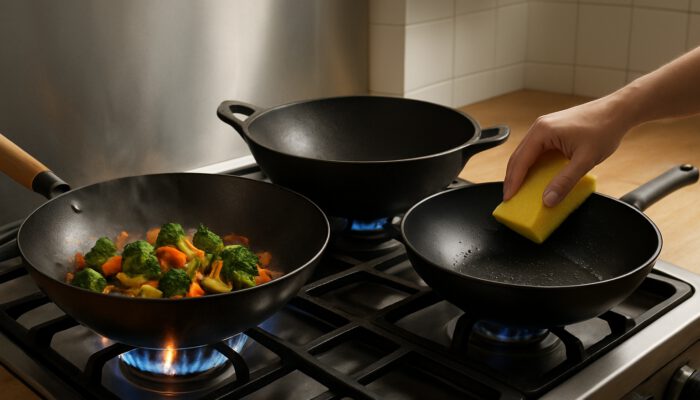
Choosing the right wok involves understanding the different materials available, as each material possesses specific advantages that cater to various stir-frying requirements. The most common materials include carbon steel, cast iron, and non-stick surfaces. Renowned for its excellent heat conductivity and lightweight properties, carbon steel is often favoured by professional chefs who need precise control and quick responsiveness in their kitchen tools. In contrast, cast iron woks, while heavier, are exceptional in retaining heat, ensuring consistent cooking results. Non-stick woks offer the convenience of easy cleaning but may struggle to reach the high temperatures required for authentic stir-frying. Familiarising yourself with the distinct characteristics of these materials is essential for meeting your diverse culinary needs and achieving impressive cooking outcomes.
How Can You Recognise Quality Features When Selecting a Wok?
Identifying quality indicators in a wok is vital for investing in a durable and efficient cooking tool that elevates your culinary experience. A well-crafted wok will have a solid and substantial feel; this weight is a strong indicator of durability and superior craftsmanship. Moreover, a smooth and even finish reflects high-quality construction. Inspect the edges for well-formed contours without sharp burrs, as these imperfections can hinder effective cooking. Additionally, a quality wok should display uniform thickness, which promotes even heat distribution, a critical factor for successful stir-frying in various cooking environments. By paying attention to these quality markers, you can choose a wok that aligns perfectly with your culinary aspirations and needs.
What Design Features Should You Prioritise When Selecting a Wok?
When selecting the perfect wok for your culinary adventures, several important design features can significantly enhance your stir-frying experience. Key attributes to consider include:
- Shape: Traditional round-bottom woks excel at evenly distributing heat, making them ideal for optimal cooking.
- Handles: Sturdy, heat-resistant handles are essential for a secure grip, ensuring better control during cooking.
- Depth: A deeper wok allows for easy tossing and mixing of ingredients without spillage, greatly enhancing your cooking process.
- Width: A wider cooking surface accommodates larger quantities, streamlining meal preparation and cooking efficiency.
The right combination of these design elements can elevate your culinary skills, offering versatility and freedom in your cooking techniques. This enables you to master various stir-frying methods with greater ease and confidence.
How Does Wok Size Influence Your Stir-Frying Performance?
What Factors Should Influence Your Choice of Wok Size?
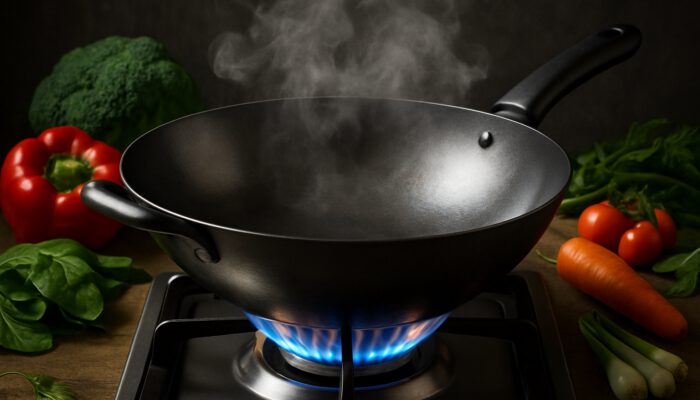
Choosing the right size for your wok is crucial for effective and efficient cooking. The dimensions of your wok should align with the portion sizes you typically prepare and the cooking styles you prefer. Smaller woks, approximately 28 cm in diameter, are suitable for one or two servings, while larger woks, up to 36 cm, are better suited for families or larger gatherings. To make an informed decision, think about how many servings you usually cook. If you often prepare meals for larger groups or engage in meal prep, investing in a larger wok can enhance efficiency and save time in your kitchen. The variety of available sizes ensures that everyone can benefit from the advantages of stir-frying, regardless of their kitchen setup or cooking habits.
Why Is Consistent Heat Distribution Crucial for Effective Stir-Frying?
Consistent heat distribution is a fundamental component of stir-frying, as it directly influences the texture and flavour profile of your ingredients. A properly sized wok guarantees uniform heat across its cooking surface, allowing proteins to sear beautifully while vegetables maintain their delightful crispness. This delicate balance helps to prevent hotspots that can lead to uneven cooking, a common issue encountered by many home cooks. By ensuring that you select the appropriate wok size, you not only enhance your overall cooking experience but also guarantee outstanding results in terms of flavour and texture, transforming your dishes from ordinary to extraordinary.
What Common Myths Exist About Wok Sizes and Their Effects?
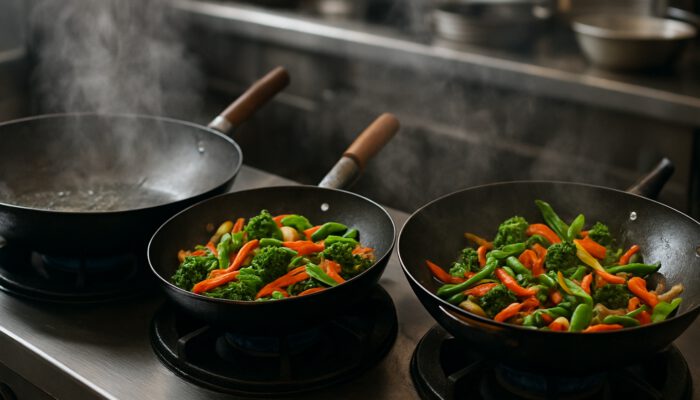
Numerous misconceptions surround wok sizes and their impact on cooking outcomes. A prevalent myth suggests that larger woks are inherently superior; however, this can lead to inefficient cooking if the wok is not adequately filled, as heat may dissipate too quickly. Conversely, a wok that is too small can restrict ingredient movement, making effective stir-frying exceedingly challenging. It is crucial to understand that the best size depends on your unique cooking style and typical portion sizes, enabling you to avoid mistakes and select a wok that truly meets your culinary needs and aspirations.
How Do Wok Sizes Influence Recipe Adjustments and Cooking Techniques?
The size of your wok significantly affects how you adapt stir-fry recipes for different serving sizes. A larger wok allows you to stir more ingredients simultaneously, promoting even cooking and enhanced flavour integration. For instance, if a recipe is designed for four servings and you are preparing a meal for two, you can conveniently halve the ingredients in a larger wok without compromising the cooking process. On the other hand, using a smaller wok may necessitate batch cooking, potentially altering cooking times and textures. Assessing your wok size is essential to ensure that your recipes translate effectively into delicious meals, making this consideration vital for any home cook eager to refine their stir-frying skills.
Professional Tips for Selecting the Perfect Wok for Stir-Frying
What Unique Benefits Do Different Wok Materials Offer?
A deeper examination of wok materials reveals unique advantages that can greatly enhance your cooking results. For instance, carbon steel is renowned for its rapid heating capabilities and responsiveness to temperature changes, making it an excellent option for the fast-paced demands of stir-frying. In contrast, cast iron excels in heat retention, making it suitable for slow-cooking techniques, although it may not respond as quickly to high-heat adjustments. Understanding these material characteristics enables cooks to make informed choices that align with their cooking styles and preferences, ensuring superior outcomes across a diverse range of culinary applications.
What Expert Insights Should You Consider Regarding Wok Handles and Bases?
When evaluating wok handles and bases, several features can significantly enhance your cooking experience. Look for handles that are heat-resistant and ergonomically designed for a secure grip. A stable base is equally important; woks with a flat base provide more stability on various cooktops, ensuring steadiness and reducing the risk of spills during cooking. Consider these expert-recommended features:
- Heat resistance: Prevents burns while cooking, enhancing safety.
- Ergonomic design: Improves comfort and control during use, allowing for precise movements.
- Stability: Ensures the wok remains steady on heat sources, promoting even cooking.
- Material quality: Durable materials extend the lifespan of your wok, ensuring long-term reliability.
These elements collectively guarantee that you can handle your wok safely and effectively, ultimately enhancing your overall cooking experience and ensuring success in stir-frying.
What Contributes to the Longevity of Your Wok?
Evaluating a wok's longevity involves considering various factors that are crucial for its overall durability. High-quality materials such as carbon steel and cast iron typically outperform cheaper alternatives in terms of wear resistance and lifespan. Furthermore, the wok's construction—whether it has been properly seasoned or coated—can significantly influence its longevity. Regular maintenance, including careful cleaning and appropriate storage practices, also plays a vital role in extending your wok’s life. By investing in a well-constructed wok and following these essential care guidelines, you can ensure that your culinary companion lasts for many years, consistently delivering exceptional results every time you cook.
How Does Heat Conductivity Impact Your Cooking Results?
Understanding heat conductivity in your wok is essential for achieving outstanding stir-frying results. Woks made from materials like carbon steel excel in heat distribution, allowing for quick temperature adjustments and ensuring even cooking throughout. Compatibility with various cooktops, such as gas and induction, is also critical; for example, a flat-bottomed wok is ideal for induction cooktops, while a round-bottomed wok performs best on gas burners. To optimise performance, ensure your wok is well-seasoned and preheated correctly before adding ingredients, facilitating a seamless and enjoyable cooking experience.
What Features Can Enhance Your Stir-Frying Performance?
How Do You Select the Ideal Shape for Your Wok?
The shape of your wok significantly influences stir-frying efficiency. Traditional round-bottomed woks focus heat at the base, making them particularly suitable for high-temperature cooking, where tossing and combining ingredients becomes effortless. In contrast, flat-bottomed woks provide stability on modern cooktops but may require more oil to achieve the same searing effect. By understanding these shape variations, you empower yourself to make well-informed decisions tailored to your cooking style and available equipment, ensuring that you master the art of stir-frying with confidence and flair.
What Interior Coating Options Should You Explore for Your Wok?
The choice of interior coating is critical for both cooking performance and food release during stir-frying. Common options include traditional non-stick coatings that enhance usability by preventing food from sticking, making them particularly suitable for novice cooks. However, while non-stick surfaces simplify the cleaning process, they may struggle to maintain the high temperatures needed for authentic stir-frying. Alternatives such as seasoned cast iron develop a natural non-stick surface over time, combining durability with excellent heat retention. Familiarising yourself with these coating options enables you to select a wok that effectively complements your cooking habits and preferences, optimising your culinary journey.
Why Is Proper Weight Distribution Vital for a Wok?
Proper weight distribution in a wok is essential for ease of handling and effective cooking. A well-balanced wok offers better control throughout the stir-frying process, allowing you to toss ingredients effortlessly and achieve even cooking results. Heavier woks provide stability, especially on uneven surfaces, while lighter models enhance agility, enabling quicker movements. Choosing a wok with the right weight will boost your cooking efficiency, allowing you to focus on achieving that ideal stir-fry texture and flavour without struggling with your equipment.
What Is the Importance of Heat Conductivity in Stir-Frying?
Heat conductivity is a crucial characteristic that determines the success of your stir-frying efforts. Woks with superior heat conductivity ensure that ingredients cook evenly and swiftly, thereby preventing hotspots that can compromise textures. Materials such as carbon steel excel in this regard, allowing for rapid temperature adjustments essential in fast-paced cooking environments. This capability ultimately leads to uniform cooking, preserving the vibrant colours and crisp textures of vegetables while proteins develop a delightful sear. When selecting your wok, prioritising heat conductivity will significantly enhance your stir-frying results.
What Evidence-Based Advantages Come with Selecting the Right Wok?
What Material Benefits Have Research Studies Identified?
Research indicates that specific wok materials provide distinct advantages for achieving exceptional stir-frying outcomes. For instance, studies show that carbon steel woks heat rapidly and respond effectively to temperature fluctuations, making them ideal for high-heat, quick-cooking techniques inherent in stir-frying. By focusing on these material characteristics, cooks can tailor their choices to align with their culinary objectives, ensuring effective performance and elevating the quality of their dishes. When evaluating material options, seek those with proven benefits to make informed decisions that enhance your cooking skills.
How Does Wok Design Impact Cooking Speed?
The design of a wok directly influences cooking speed, a critical factor in stir-frying. Research indicates that features such as deep sides and a rounded bottom promote quick heat transfer and ingredient movement, resulting in shorter cooking times. This design enhances air circulation and heat retention, allowing for simultaneous cooking of proteins and vegetables. Understanding these design elements equips cooks with the knowledge to choose woks that facilitate fast, efficient cooking, ultimately yielding superior results in less time.
What Key Benefits Arise from Thoughtful Wok Selection?
Selecting the right wok offers numerous benefits that can transform your cooking experience. Thoughtful selection leads to improved cooking outcomes, including enhanced flavours, better textures, and more efficient meal preparation. For instance, a well-chosen wok can significantly shorten cooking times while helping to preserve nutrients in your vegetables. Moreover, possessing the right wok can inspire greater creativity in the kitchen, encouraging cooks to explore various stir-fry techniques. Real-life examples abound where home cooks have dramatically improved their dishes simply by selecting the right tools, illustrating the profound impact of intentional wok selection on culinary outcomes.
Why Is Heat Conductivity Essential in Stir-Frying?
What Factors Affect Heat Retention in Woks?
Several factors determine a wok's heat retention capabilities, which directly influence the quality of stir-frying. The material type is a significant consideration; for example, cast iron retains heat remarkably well, while carbon steel heats quickly but may cool more rapidly when ingredients are added. The thickness of the wok also plays a role in heat retention; thicker woks may hold heat better but generally require longer to heat up initially. Understanding these elements is essential for achieving consistent cooking results across diverse dishes, ultimately enhancing your overall culinary experience.
What Common Heat-Related Challenges Do Home Cooks Encounter?
Heat-related challenges can significantly affect the success of your stir-frying. Common issues include hotspots that lead to uneven cooking and ingredients sticking to the wok. These problems often arise from using substandard materials or inadequate preheating. Solutions involve utilising a high-quality wok with excellent heat conductivity and ensuring it is evenly heated before adding ingredients. Additionally, maintaining a consistent cooking temperature can help mitigate these challenges, facilitating a smoother stir-frying process that consistently yields excellent results.
How Can You Evaluate Heat Performance in Your Kitchen?
Assessing heat performance before purchasing a wok can prevent future cooking frustrations. One effective method is to conduct a simple water test: heat the wok and add a small amount of water to observe how quickly it evaporates. A well-conducting wok will cause the water to evaporate rapidly, indicating superior heat distribution. Alternatively, evaluate how quickly the wok reaches temperature on your cooktop; a wok that heats evenly and quickly is ideal for stir-frying. Implementing these straightforward tests can guide you in selecting the right wok to meet your culinary needs and preferences.
What Impact Does Heat Conductivity Have on Food Texture and Flavour?
In stir-frying, heat conductivity plays a vital role in determining the texture and flavour of your food. High conductivity ensures that ingredients cook evenly and swiftly, preserving their natural textures and enhancing flavours. When foods are cooked at the appropriate temperature, they can caramelise beautifully, improving both taste and visual appeal. Making practical choices, such as selecting a wok with excellent heat conductivity and employing proper cooking techniques, results in superior meal outcomes. By understanding and applying these principles, you can avoid common kitchen pitfalls and ensure that every stir-fry becomes a delicious triumph.
Essential Maintenance Practices for Your Wok
What Are the Best Routine Cleaning Techniques for Woks?
To maintain the longevity of your wok, it is essential to employ appropriate cleaning methods tailored to its specific material. For carbon steel and cast iron woks, avoid using soap, as it can strip the seasoning; instead, use hot water and a gentle scrub brush to remove any residues. For non-stick woks, opt for a soft sponge to prevent scratching the surface. Regular cleaning not only extends the life of your wok but also ensures that flavours remain uncompromised for your future cooking sessions. Establishing a straightforward and effective cleaning routine is crucial for sustaining performance in various cooking contexts.
How Should You Store Your Wok to Maintain Its Quality?
Implementing effective storage practices is vital for preserving the condition of your wok over time. If you possess a carbon steel or cast iron wok, it is essential to keep it in a dry environment to prevent rusting. Using a paper towel or cloth to absorb moisture is advisable, and storing it in a breathable cotton bag can offer additional protection. For non-stick woks, refrain from stacking heavy items on top to safeguard the coating from potential damage. Organising your kitchen space for safe storage will protect your investment and ensure that your wok remains in excellent condition for all your stir-frying requirements.
What Signs Indicate That It's Time to Replace Your Wok?
Monitoring your wok for signs of wear is crucial for determining when it needs replacement. Common indicators include significant scratches on the surface, especially in non-stick woks, or visible rust on carbon steel or cast iron options. Warping is another critical sign that a wok may have outlived its usefulness, negatively affecting its heat distribution and cooking efficiency. Regularly inspecting your cookware helps maintain high standards in your kitchen, ultimately leading to improved cooking results and a more enjoyable culinary experience.
Frequently Asked Questions About Woks
What Is the Best Material for a Wok?
The optimal material for a wok depends on your individual cooking style. Carbon steel is ideal for high-heat stir-frying, while cast iron excels in heat retention for slow cooking. Non-stick options offer convenience but may not withstand high temperatures as effectively as other materials.
How Can I Determine If My Wok Is Properly Seasoned?
A well-seasoned wok will feature a smooth, dark surface that feels slightly oily to the touch. It should also exhibit non-stick qualities, allowing food to release easily during cooking without adhering to the surface.
Is It Possible to Use a Wok on an Induction Cooktop?
Yes, you can use a wok on an induction cooktop, but ensure it has a flat bottom for optimal contact, which facilitates effective heat transfer and cooking performance.
How Can I Prevent Food from Sticking to My Wok?
To prevent sticking, ensure that your wok is properly seasoned if made from carbon steel or cast iron. Preheat it adequately before adding oil and ingredients, and avoid overcrowding the pan to allow for proper cooking.
What Size Wok Should I Consider Purchasing?
The size of your wok should match your cooking habits. A 28 cm wok is suitable for small meals, while a 36 cm or larger wok is preferable for families or larger gatherings, ensuring adequate space for cooking.
How Often Should I Clean My Wok?
It is best to clean your wok after each use to maintain its seasoning and prevent food residues from adhering. Regular care ensures its longevity and optimal cooking performance, enhancing your overall cooking experience.
Can I Use Soap to Wash a Carbon Steel Wok?
It is advisable to avoid using soap on a carbon steel wok, as it can strip the seasoning. Instead, use hot water and a soft scrub to clean it effectively without compromising its surface.
Why Is a Round-Bottomed Wok Preferred by Many Cooks?
A round-bottomed wok is preferred because it allows for better heat distribution and is ideal for tossing ingredients, which is crucial for proper stir-frying techniques and achieving the desired results in your cooking.
What Drawbacks Are Associated with Non-Stick Woks?
Non-stick woks may struggle to endure the high temperatures necessary for effective stir-frying, and their coatings can wear off over time, diminishing performance and necessitating careful handling to maintain the surface integrity.
How Can I Assess the Durability of My Wok?
A durable wok will feel heavy and sturdy, possess a smooth finish, and be constructed from high-quality materials like carbon steel or cast iron, renowned for their longevity and effectiveness in cooking.
Join Us on Facebook for More Culinary Insights!
The post How to Choose the Perfect Wok for Stir-Frying appeared first on Cooking Gods.
The Article Selecting the Perfect Wok for Your Stir-Frying Needs Was Found On https://limitsofstrategy.com.
The Article Perfect Wok Selection for Your Stir-Frying Needs found first on https://electroquench.com