
Delving Into the Vital Connection Between Quality Sleep and Digestive Health
Sleep serves a purpose far beyond mere rest; it is a crucial biological function that profoundly impacts our digestion. The intricate relationship between sleep and digestive health is driven by several physiological processes that operate in concert. The body’s innate circadian rhythm, often referred to as the internal clock, synchronises both sleep cycles and digestive processes. This alignment accounts for the phenomenon of feeling hungry at similar times each day, highlighting how our bodies are adeptly tuned to natural biological cycles.
Understanding the Importance of Restful Sleep for Enhanced Digestive Function 
Sleep is essential for the body's ability to heal, rejuvenate, and restore itself. The deeper stages of sleep are particularly vital for these restorative processes. During these profound phases, the organs, tissues, and cells comprising the digestive system not only relax but also engage in critical repair mechanisms. The body prioritises cellular repair and growth during deep sleep, especially in regenerating the cells that line the digestive tract, which undergo continuous wear and tear from food particles and digestive enzymes. This regeneration is crucial for maintaining the integrity of the gastrointestinal lining, thereby enhancing the efficiency of digestion.
Deep sleep also plays a significant role in strengthening the immune system, which is particularly crucial for the digestive system, as it contains its own specialised immune cells activated by the beneficial bacteria inhabiting the gut. These immune cells are vital for defending the gut and the entire digestive system against harmful microorganisms, thus ensuring a balanced community of bacteria within the gut environment.
Moreover, the organs within the digestive system play a pivotal role in detoxification, assisting in the removal of waste and harmful substances from the body. Deep sleep enhances this detoxification process by improving the operational efficiency of the liver and kidneys, allowing these organs to function optimally. This synergistic relationship between sleep and detoxification significantly contributes to overall digestive health and wellness.
Examining the Relationship Between Gut Motility and Sleep Patterns
A fundamental aspect of digestion is the effective movement of food and waste through the digestive tract, a mechanism referred to as gut motility. This process undergoes significant changes during sleep. During both deep and light sleep, the rate of gut motility is markedly decreased. This reduction is a necessary adjustment, allowing the digestive system to conserve energy, which is then redirected towards repairing digestive tissues. This energy conservation enables the digestive process to operate more effectively during waking hours, optimising both nutrient absorption and waste elimination.
The migrating motor complex is a series of contractions that occur during fasting periods, including during sleep. This cycle is essential for gut motility, as it effectively cleanses the digestive tract by sweeping away lingering food particles and residue. This natural cleansing mechanism reduces the risk of bacterial overgrowth, thereby promoting a healthy gut environment. Notably, the migrating motor complex operates most actively at night when individuals are fasting and asleep, underscoring the crucial role of sleep in maintaining the health of the digestive system.
As morning approaches, gut motility gradually increases, preparing the digestive system to efficiently process and digest food. This uptick in motility can also trigger the first bowel movement of the day, showcasing the finely tuned relationship between sleep and gut motility. Understanding this connection is crucial for optimising digestive health and enhancing overall wellness.
Investigating Hormonal Interactions Between Sleep and Digestive Health
Ghrelin, often known as the hunger hormone, is a crucial hormone that stimulates appetite. On the other hand, leptin sends signals to the brain indicating that the stomach is full, thereby aiding in the prevention of overeating. Together, these hormones play an essential role in regulating appetite, but their functions can be negatively impacted by insufficient sleep.
Even a single night of inadequate sleep can result in elevated levels of ghrelin, which can increase appetite and often lead to cravings for carbohydrates. This phenomenon is frequently described as feeling ‘hangry’. Compounding this issue, levels of leptin can diminish following a night of poor sleep, disrupting the signals that indicate satiety. This creates a challenging scenario where individuals may overindulge and struggle to recognise their body's cues to cease eating. While occasional poor sleep may not have severe repercussions, chronic insomnia can lead to significant digestive complications, including inflammation in the gut, liver disorders, gastroesophageal reflux disease, inflammatory bowel disease, and even colorectal cancer, along with contributing to weight gain.
Understanding the Consequences of Sleep Disruption on Digestive Health
Disruptions to sleep can lead to an array of digestive issues. Factors such as shift work, particularly night shifts, and experiencing jet lag can significantly disturb sleep patterns and disrupt the body’s internal clock. Additionally, late-night eating or irregular meal timings can adversely affect the quality of sleep. The circadian rhythm that governs sleep is closely tied to natural sunlight, which is vital for maintaining a healthy sleep-wake cycle.
Unfortunately, in today’s technology-driven environment, many individuals find themselves indoors for the majority of the day, resulting in reduced exposure to natural light. This shift has led to increased exposure to blue light emitted from devices such as laptops, televisions, and smartphones, which further disrupts the sleep cycle and sleep patterns, especially when this exposure occurs shortly before bedtime.
The cumulative effects of these factors can lead to serious digestive issues, including diarrhea, ulcers, inflammatory bowel disease, or an imbalance between beneficial and pathogenic bacteria within the gut. Such imbalances can damage the gut lining, complicating the situation regarding digestive health.
Enhancing Microbiome Health Through Quality Sleep Practices
The microbiome consists of trillions of microorganisms living in the gut, primarily made up of beneficial bacteria known as probiotics, along with viruses, fungi, and potentially harmful bacteria. These microbes are essential not only for overall health but also for digestive health. They boost the immune response and assist in digestion, aiding in the production of specific vitamins, enzymes, hormones, and amino acids. Recent studies have indicated a significant correlation between the microbiome and sleep, suggesting that disrupted sleep or chronic insomnia can negatively impact the balance of these microbes, ultimately affecting digestive health and overall well-being.
Exploring the Complex Interactions Between Microbiome Health and Sleep Quality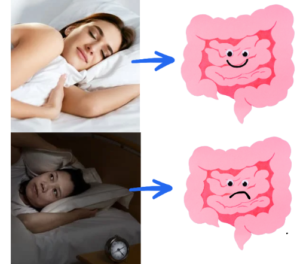
The connection between sleep and microbiome health is intricate and multifaceted. Poor sleep can negatively affect microbiome health, while an imbalanced microbiome can also detrimentally impact sleep quality. To better understand this complex relationship, one study revealed a correlation between a greater abundance of specific bacterial types in the gut and faster sleep onset, alongside fewer awakenings during the night. Although this article cannot cover all findings in depth, the key takeaway is that nurturing a diverse and abundant population of beneficial bacteria in the gut is crucial for achieving optimal sleep, effective digestion, and overall health maintenance.
Investigating the Interconnection Between Stress, Sleep, and Digestive Health
A frequent outcome of stress and anxiety is disrupted sleep. Conversely, these mental health challenges can also adversely affect the physical health and functionality of the digestive system. Such disruptions can lead to altered gut motility and contribute to issues such as indigestion, ulcers, and irritable bowel syndrome. A key factor in this dynamic is the influence of the so-called stress hormone, cortisol.
Understanding How Cortisol Affects Digestive Processes
When cortisol levels rise, the body responds by entering a fight-or-flight state. This physiological reaction leads to blood flow being directed towards critical areas such as the heart, brain, lungs, and muscles, while diverting it away from the digestive system. This reaction prepares the individual to either confront danger or escape, a response that was essential for survival in prehistoric times.
In modern times, however, stressors are often less life-threatening, such as financial worries, work pressures, or inadequate sleep. While short-term redirection of blood flow may be beneficial in acute situations, chronic stress can have detrimental effects on the digestive system, particularly regarding gut motility. This may manifest in symptoms such as constipation, diarrhea, indigestion, gas, and bloating. Therefore, implementing effective stress management strategies is essential for supporting both gut health and achieving quality sleep.
Ensuring adequate sleep is crucial for maintaining a healthy digestive system, as the link between sleep and digestion is fundamentally interconnected. Prioritising effective sleep hygiene practices is vital for achieving restorative sleep. This includes minimising exposure to blue light from electronic devices, adhering to a consistent sleep schedule, creating a cool, dark sleep environment, avoiding food intake within two hours prior to bedtime, and ensuring ample exposure to natural light during the day, especially in the morning.
References
Understanding Digestive Health and Circadian Rhythms
Exploring Sleep Dysfunction and Digestive Conditions
Examining the Link Between the Gut Microbiome and Sleep
Investigating Stress and Its Effects on the Digestive System
The Article: How Sleep Affects Your Digestive System appeared first on https://janestevensnutrition.com
The Article: Sleep’s Impact on Your Digestive System Explained appeared first on https://janestevens.net
The Article Sleep’s Impact on Digestive Health Explained Was Found On https://limitsofstrategy.com


The intricate relationship you’ve highlighted between quality sleep and digestive health truly resonates with me, especially considering the fast-paced lifestyles many of us lead today. While we often discuss sleep’s role in cognitive function or physical health, the connection to our digestive systems is frequently overlooked, perhaps because we don’t see the immediate, tangible consequences of poor sleep on our digestion in the same way we do for other health aspects.
You’ve brought up a really important point here. It’s true that in our bustling lives, we often think about how sleep affects things like our energy levels or our focus during the day, but the way it links to our digestive health can easily slip under the radar. We see immediate implications of poor sleep when we’re feeling groggy or unfocused, but issues with digestion can sometimes feel more elusive, happening quietly beneath the surface until they culminate in discomfort or some form of digestive distress.
You’ve really captured the complexity of how sleep intertwines with our overall health. It’s fascinating how the consequences of poor sleep can manifest in such varied ways. I’ve noticed personally that when I don’t prioritize my sleep, I often chalk it up to feeling tired or unfocused the next day, but then I might also have this vague feeling of discomfort that I can’t quite pinpoint.
It’s interesting how those subtle feelings of discomfort can creep in when we don’t get enough rest. Sleep has such a multifaceted role in our health that it’s easy to overlook the signs. When you’re sleep-deprived, it can affect your mood, physical sensations, and even your decision-making abilities.
“I’m glad you found the article insightful! If you’re interested in exploring more about how to optimize your sleep for better health, check out this resource that delves deeper into the topic.”
https://must4care.com/FaceTune
You’ve hit on a really important point about that vague feeling of discomfort that can come from not getting enough sleep. It’s interesting how sleep doesn’t just affect our physical state—it also influences our emotional and mental well-being in ways that can be hard to pin down.
It’s interesting how you mention that vague feeling of discomfort that can accompany a lack of sleep. Many people overlook the subtle ways in which sleep deprivation can affect them beyond just fatigue or lack of focus. For some, it might manifest as irritability or even physical discomfort, like strained muscles or headaches, which can be confusing since those sensations don’t immediately scream “I need more sleep.”
I completely relate to that feeling! If you’re interested in exploring ways to improve your sleep quality and overall well-being, check out this resource that offers some valuable insights and tips.
https://must4care.com/consult