Explore Eco-Friendly Materials to Enhance Sustainability in Your Kitchen with Cutting Boards
Cutting boards are essential items in every kitchen, and as awareness of sustainability continues to grow, understanding how to select an eco-friendly cutting board becomes increasingly important. The materials used in these kitchen staples can significantly influence their environmental impact. This article delves into the most prevalent materials used for cutting boards, including wood, bamboo, and plastic. We will examine how each material aligns with sustainable practices and contributes to an eco-friendly lifestyle.
Choose the Most Sustainable Wooden Cutting Board That Meets Your Culinary Needs

Wooden cutting boards have been favoured in kitchens worldwide due to their longevity and aesthetic appeal. However, it is crucial to recognise that not all wood is sourced responsibly. Certain types are harvested from sustainably managed forests, while others contribute to detrimental practices such as deforestation and loss of habitats. When selecting a wooden cutting board, prioritise options made from hardwoods like maple, walnut, or cherry. These hardwoods not only resist knife marks effectively but also develop unique characteristics over time, enhancing their beauty and charm.
The environmental sustainability of wood sourcing hinges significantly on responsible logging practices. The Forest Stewardship Council (FSC) certification is essential, as it guarantees that wood products originate from forests managed sustainably, thereby protecting the ecosystem. By opting for an FSC-certified wooden cutting board, you are actively supporting environmentally friendly practices and contributing to global forest conservation efforts. Furthermore, wooden boards possess natural antibacterial properties, making them a healthier alternative for food preparation compared to synthetic options.
It is equally important to consider the growth rates of the trees used for these boards. Fast-growing tree species replenish much more quickly, making them more sustainable choices. Whenever possible, select locally sourced wood rather than imported varieties. This choice not only reduces transportation emissions but also supports local economies, reinforcing the significance of sustainable purchasing decisions.
Uncover the Eco-Friendly Benefits of Bamboo Cutting Boards
Bamboo has gained immense popularity as a sustainable alternative to traditional wooden cutting boards in recent years. This extraordinary grass can grow up to 91 centimetres in just one day, making it one of the fastest-growing plants on the planet. Its rapid growth and minimal water needs make bamboo an ideal eco-friendly choice for those wishing to reduce their environmental impact while enjoying the cooking experience.
When selecting a bamboo cutting board, ensure it is made from 100% organic bamboo, free from toxic chemicals or additives. Some bamboo boards may be treated with formaldehyde during manufacturing, which can leach into food and pose serious health risks. Choose brands that adhere to eco-friendly practices and utilise natural adhesives in their production processes to ensure the highest safety standards.
Bamboo cutting boards are not just durable and resistant to knife marks; they also boast natural antimicrobial properties, which aid in maintaining hygienic food preparation. Additionally, bamboo boards are typically lighter than their wooden counterparts, resulting in lower energy consumption during transportation. As an added benefit, bamboo cutting boards often display unique and attractive grain patterns, enhancing the overall aesthetics of your kitchen.
As consumers become increasingly conscious of their environmental footprint, bamboo cutting boards emerge as an excellent choice for those looking to embrace a sustainable lifestyle without sacrificing quality or style.
Assess the Environmental Impact and Sustainability of Plastic Cutting Boards
Plastic cutting boards are commonplace in many kitchens due to their affordability and convenience. However, when contemplating how to select a sustainable cutting board, it is crucial to assess the environmental repercussions associated with plastic. While some plastics can be manufactured from recycled materials, they often contribute to the alarming issue of microplastics infiltrating our food systems and water supplies.
When choosing a plastic cutting board, opt for products made from recycled plastics or those labelled as BPA-free, as bisphenol A can leach into food, posing serious health risks. Although plastic boards tend to be lightweight and dishwasher safe, they typically lack the durability found in wooden or bamboo options. The frequent need to replace plastic boards due to their wear and tear can lead to increased waste and environmental degradation.
Moreover, it is vital to evaluate the entire lifecycle of plastic products. While plastic boards may initially seem less wasteful, improper disposal can result in pollution and long-lasting environmental consequences. Always check local recycling guidelines to ensure responsible disposal of plastic cutting boards.
Recently, innovative sustainable plastics have emerged on the market. Some brands now offer biodegradable alternatives that decompose over time, thus reducing landfill waste. These advancements signify a shift toward more sustainable manufacturing practices in the plastic industry and highlight the importance of consumer awareness in driving positive changes.
Evaluate the Longevity and Durability of Your Cutting Board Choices

Durability plays a crucial role in determining how to choose a sustainable cutting board. The lifespan of a cutting board directly impacts its environmental footprint. Boards that have a longer life span necessitate fewer replacements, thereby minimising waste and conserving resources in the process.
Understanding the Lifespan and Resilience of Cutting Boards
Investing in a durable cutting board is a wise decision for any environmentally conscious consumer. A well-crafted board can last for years, even decades, while cheaper alternatives tend to wear out quickly, leading to more frequent purchases and increased waste generation. High-quality wooden and bamboo boards, when cared for properly, usually outlast their plastic counterparts by a significant margin.
Beyond mere longevity, consider the emotional connection you might develop with your cutting board. A beautifully crafted wooden board can become a cherished tool in your kitchen, holding the memories of meals prepared and shared over time. The longer a cutting board lasts, the more value it provides, solidifying its status as a truly sustainable choice.
Additionally, durability translates into financial savings. While the initial cost of a high-quality cutting board may be higher, its extended lifespan can ultimately lead to savings in the long run. Remember that choosing a sustainable option often proves to be the most economically sensible decision you can make.
Important Maintenance Tips for Ensuring Longevity
Proper care is essential for extending the life of your cutting board. Regularly applying food-safe mineral oil to wooden and bamboo boards can prevent cracking and warping, ensuring they remain in excellent condition. Cleaning them with mild soap and warm water, instead of harsh chemicals, not only protects the board but also promotes a healthier kitchen environment.
Avoid soaking wooden boards in water; prolonged exposure can result in warping and damage. Instead, wipe them clean and allow them to air dry. For plastic boards, ensure they are dishwasher safe for easy cleaning, but be cautious, as high heat may warp them over time.
By establishing a consistent maintenance routine, you’ll not only prolong the life of your cutting board but also enhance its sustainability. A well-cared-for board can serve as a reliable kitchen tool for many years, ultimately reducing waste and your overall environmental impact.
Selecting Materials: Ensuring Resistance to Wear and Tear
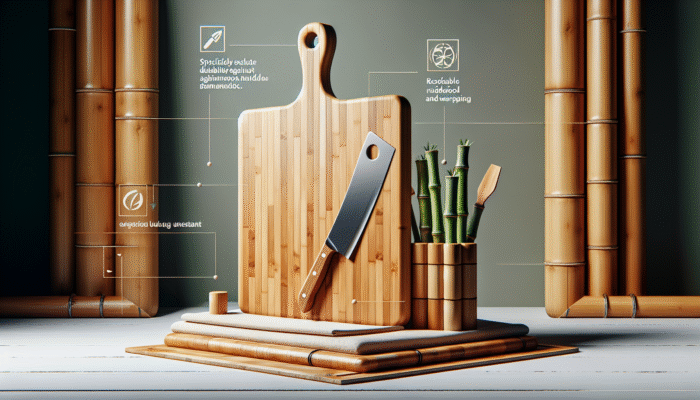
The material of your cutting board is crucial in determining its resistance to wear and tear. Boards that withstand knife marks and resist warping are inherently more sustainable, as they maintain functionality over extended periods. When selecting a cutting board, pay attention to the hardness of the material. Hardwoods, for instance, are less susceptible to scratches and cuts, which can harbour bacteria.
While bamboo is generally robust, it can be more abrasive on knives compared to wood. Therefore, it is vital to choose a high-quality bamboo board that strikes a balance between durability and knife safety. Investing in a cutting board designed to resist wear ensures its longevity, further supporting your sustainable kitchen practices.
In addition to practical considerations, cutting boards that resist wear often showcase unique aesthetics, reflecting their journey through countless meals and culinary adventures. This narrative adds charm to your kitchen, transforming a simple tool into a treasured component of your culinary story.
Assessing the Manufacturing Process for Sustainable Practices
Understanding the manufacturing process is essential when determining how to choose a sustainable cutting board. Sustainable production practices not only minimise environmental damage but also promote ethical treatment of the workers involved in crafting the product.
Reducing Energy Consumption in the Manufacturing Process
The energy consumed during the production of cutting boards can significantly impact their sustainability. Brands committed to reducing their carbon footprint often employ energy-efficient manufacturing processes. When assessing a cutting board, pay attention to how the company sources its energy. Utilising renewable energy sources, such as solar or wind, reflects a brand’s dedication to sustainability.
Moreover, local production can markedly decrease transportation emissions, making locally sourced products generally more sustainable. Supporting local artisans or brands that prioritise sustainable practices not only fosters community growth but also encourages environmentally conscious manufacturing methods.
When researching brands, look for transparency regarding their energy use. Companies that openly share their environmental impact assessments and improvement strategies demonstrate a commitment to sustainable practices, empowering consumers to make informed choices.
Waste Management and Reduction in the Manufacturing Process
The generation of waste during the manufacturing process is another critical factor in sustainability. Companies that implement recycling and waste reduction strategies in their production lines are taking significant strides towards eco-friendliness. Seek out brands that repurpose manufacturing scraps into other products or engage in zero-waste initiatives.
Furthermore, the lifecycle of a cutting board extends beyond its manufacturing phase. Brands that offer take-back programmes for their products or participate in recycling initiatives support a circular economy, which reduces landfill waste and promotes sustainability.
By opting for brands that prioritise effective waste management, consumers can contribute to a more sustainable future. This commitment ensures that the impact of your cutting board goes beyond its initial purchase, creating a positive influence throughout its lifecycle.
Commitment to Ethical Sourcing Practices in Cutting Board Production
Ethical sourcing is a fundamental principle of sustainable cutting board manufacturing. Companies that responsibly source their materials not only support environmental sustainability but also advocate for fair labour practices. Investigate the supply chains of your favourite brands to ensure they prioritise the ethical treatment of workers and environmentally friendly practices.
Brands that collaborate with local communities to source their materials often demonstrate a commitment to fair trade. This approach fosters economic stability within these communities while promoting sustainable harvesting practices. By choosing ethically sourced products, consumers contribute to a more equitable global economy while making mindful decisions that benefit the environment.
Additionally, many brands are now incorporating certifications that indicate their products adhere to specific sustainability and ethical standards. Supporting companies that transparently share their sourcing practices can lead to more informed consumer choices, reinforcing your commitment to a sustainable lifestyle.
Understanding the Environmental Impact of Cutting Boards
The environmental impact of cutting boards is multifaceted, encompassing biodegradability, chemical usage, lifecycle analysis, and waste management. Understanding these elements is crucial for anyone seeking how to choose a sustainable cutting board.
Understanding Biodegradability in Cutting Board Materials
Biodegradability is a vital aspect of sustainability concerning cutting boards. Materials that decompose naturally without harming the environment are ideal selections. Wooden and bamboo boards typically possess biodegradable properties, enabling them to return to the earth over time. This feature reduces landfill waste and mitigates the environmental burden associated with discarded kitchen tools.
Conversely, many plastic cutting boards are not biodegradable. If disposed of improperly, they can persist in landfills for centuries, contributing to pollution and posing threats to wildlife. As consumers, it is imperative to weigh these factors when making choices, prioritising materials that align with our environmental values.
When selecting a cutting board, look for certifications or statements that indicate biodegradability. Some brands offer products specifically designed for composting, further enhancing your sustainability efforts by converting kitchen waste into nutrient-rich soil.
The Implications of Chemical Usage on Sustainability
Chemical treatments can significantly influence the sustainability of a cutting board. Some boards are treated with harmful substances that can leach into food, posing health risks for consumers. Avoid purchasing boards that contain toxic chemicals, such as formaldehyde or phthalates, which can adversely affect both health and environmental integrity.
Opt for brands that utilise natural oils and finishes to protect and enhance their products. These eco-friendly treatments not only preserve the integrity of the cutting board but also contribute to a healthier kitchen environment.
As you explore cutting board options, educating yourself about materials and treatments is essential. This knowledge empowers you to make informed choices that align with your values, ultimately leading to a more sustainable lifestyle.
The Importance of Lifecycle Analysis in Sustainable Product Choices
Understanding the complete lifecycle impact of a product is crucial for making responsible purchasing decisions. Lifecycle analysis examines the environmental effects of a product from raw material extraction through manufacturing, distribution, usage, and disposal. By considering the entire journey of a cutting board, consumers can identify areas for improvement and select products with the smallest environmental footprint.
Researching brands that conduct lifecycle assessments can provide valuable insights into their sustainability practices. Companies dedicated to reducing their impact often share their findings and strategies, establishing benchmarks for the industry. By supporting these businesses, you contribute to a collective effort toward a more sustainable future.
Armed with knowledge about lifecycle analysis, you can make choices that reflect your values while promoting sustainability in your kitchen.
Waste Management: Responsible Disposal of Cutting Boards
Effective waste management practices are essential for minimising the environmental impact of cutting boards. Understanding how to dispose of your board responsibly can contribute to a more sustainable future. Many cutting boards are recyclable, but acceptance varies based on material type and local waste management regulations.
Educate yourself on your community’s recycling guidelines to ensure you’re disposing of your cutting board properly. Some companies offer take-back programs, allowing consumers to return worn-out boards for recycling. By participating in these initiatives, you actively contribute to efforts aimed at reducing waste.
In addition to recycling, consider repurposing or upcycling your old cutting boards. They can be transformed into coasters, trivets, or decorative wall art, extending their lifecycle and reducing waste. By creatively reimagining your cutting board, you not only honour its service but also embrace a sustainable mindset.
Identifying Certifications That Indicate Sustainable Cutting Boards
Certifications play a pivotal role in guiding consumers through the complexities of sustainable products. When learning how to choose a sustainable cutting board, these labels provide assurance that the product meets specific environmental and ethical standards.
Recognising the Significance of FSC Certification in Sustainable Wood Products
The Forest Stewardship Council (FSC) certification is widely regarded as the gold standard for sustainable wood products. This certification guarantees that wood is sourced from responsibly managed forests that protect biodiversity, uphold workers' rights, and respect the rights of indigenous peoples. When selecting a cutting board, look for the FSC label, as it signifies that the product supports sustainable forest management practices.
FSC-certified boards contribute to global efforts to combat deforestation and promote responsible harvesting techniques. By choosing products that carry this certification, you play a role in protecting vital ecosystems and ensuring that future generations can enjoy healthy, thriving forests.
The transparency offered by FSC certification empowers consumers to make informed choices. Knowing that your cutting board is sourced sustainably enhances your connection to the product and reinforces your commitment to environmental stewardship.
Identifying Eco-Friendly Labels in the Marketplace
In the crowded marketplace of kitchen products, eco-friendly labels can guide consumers toward making more sustainable choices. Look for products that bear labels indicating they are made from renewable materials, free from harmful chemicals, or produced using sustainable practices. These labels simplify the decision-making process, allowing you to quickly identify cutting boards that align with your values and sustainability goals.
However, it is crucial to exercise caution, as some brands may utilise misleading terms to market their products. Always research the claims behind these labels and seek certifications from reputable organisations. This diligence ensures that you are making informed choices and supporting brands that are genuinely dedicated to sustainability.
As consumers become more discerning, the demand for transparent eco-friendly labels continues to grow, encouraging brands to adopt more sustainable practices. Your choice to support these products can contribute to a positive shift within the industry.
The Importance of Third-Party Verification in Sustainability Claims
Independent verification of sustainability claims lends credibility to the products you choose. Third-party organisations evaluate and certify products based on established environmental and ethical criteria, providing assurance that the claims made by a brand are legitimate. Seek out cutting boards that have undergone such evaluations, as they offer peace of mind that your choices have a positive impact on the environment.
By choosing products backed by third-party verification, consumers can trust that they are supporting companies committed to sustainability. This support fosters a marketplace where transparency and ethical practices are prioritised, driving meaningful change in the industry.
As consumers, we hold the power to shape the future of sustainable products through our choices. By opting for certified and verified cutting boards, you contribute to a more sustainable world while enjoying the benefits of high-quality kitchen tools.
Exploring Sustainable End-of-Life Options for Cutting Boards
The end-of-life options for cutting boards significantly influence their sustainability. Understanding how to responsibly dispose of or repurpose these kitchen tools is essential for those committed to eco-friendly choices.
Assessing the Recyclability of Different Cutting Board Materials
Recyclability is a critical factor to consider when selecting a cutting board. Many wooden and bamboo boards can be composted or recycled, significantly reducing waste. However, plastic boards often present challenges, as not all recycling facilities accept them due to the complexity of their materials.
When contemplating how to choose a sustainable cutting board, research companies that provide take-back programmes or those that promote recycling initiatives. By choosing brands that prioritise recyclability, you contribute to a circular economy and minimise landfill waste.
Educate yourself on local recycling guidelines to ensure responsible disposal of your cutting board. Properly recycling or composting your board can extend its lifecycle and lessen the environmental burden of discarded kitchen products.
Understanding Compostability for Sustainable Kitchen Choices
Compostable cutting boards are an excellent option for environmentally conscious consumers. Made from materials that naturally break down, these boards enrich the soil and support healthy ecosystems. When searching for sustainable options, consider brands that offer compostable cutting boards and provide clear disposal instructions to facilitate responsible end-of-life management.
To ensure that you’re making a genuinely responsible choice, verify the compostability claims of the product. Many brands are beginning to offer boards that decompose rapidly, allowing them to return to the earth without causing environmental harm. Supporting these products contributes to a more sustainable future and encourages innovation in eco-friendly materials.
As the demand for compostable kitchen products grows, more brands are embracing sustainable practices, creating a positive ripple effect in the industry. By choosing compostable options, you play a part in fostering this shift toward sustainability.
The Significance of Reusability in Cutting Boards
Reusability enhances the sustainability of cutting boards, as designs that allow for repurposing or upcycling can significantly reduce waste. After their primary use, consider how your cutting board can be transformed into a new, functional item. For instance, a worn wooden board can be repurposed into a decorative wall art piece or a rustic serving tray.
Creative repurposing not only extends the life of the product but also adds character to your kitchen. Encouraging a mindset of reusability can inspire others to explore innovative ways to minimise waste and promote sustainability in their homes.
By embracing reusability, you contribute to a culture that values resourcefulness and environmental stewardship. This approach fosters creativity and encourages individuals to think critically about their consumption habits, ultimately leading to more sustainable practices in their daily lives.
Why Biodegradability Matters in Your Cutting Board Choices
Biodegradable cutting boards present an excellent option for eco-conscious consumers striving to minimise their environmental impact. These boards are designed to decompose naturally over time, returning nutrients to the soil without contributing to pollution or landfill waste.
When evaluating biodegradable options, ensure they are crafted from materials that break down quickly and safely. Some brands offer biodegradable boards that can be composted, adding value to your sustainability efforts. By selecting biodegradable products, you actively support a sustainable lifestyle and contribute to reducing waste in our landfills.
As awareness of environmental issues continues to grow, the demand for biodegradable kitchen products is on the rise. By choosing biodegradable cutting boards, you join a movement towards greater sustainability and environmental responsibility, making a positive impact on the planet.
Understanding Local Disposal Regulations for Responsible Cutting Board Disposal
Understanding local disposal regulations is crucial for ensuring that cutting boards are discarded properly. Each community may have varying guidelines regarding the recycling, composting, or disposal of different materials. Familiarising yourself with these regulations can help you make informed decisions about the end-of-life options available for your cutting board.
By adhering to local disposal laws, you not only ensure proper waste management but also contribute to a cleaner and healthier environment. If your community lacks adequate recycling options for certain materials, consider advocating for more sustainable waste management practices.
Your commitment to responsible disposal can inspire others to follow suit, fostering a collective effort towards sustainable living. By understanding and respecting local regulations, you play an active role in promoting environmental awareness and sustainability within your community.
Balancing Cost and Sustainability in Your Cutting Board Selections
The relationship between cost and sustainability can often be intricate. Understanding this dynamic is vital when selecting a cutting board that aligns with both your values and budget constraints.
Analyzing the Initial Cost of Sustainable Cutting Boards
Sustainable cutting boards may come with a higher upfront cost compared to their less eco-friendly counterparts. However, it’s crucial to view this initial investment through the lens of durability and overall value. High-quality boards tend to last longer, resulting in fewer replacements over time. Ultimately, this can lead to significant savings and a lower environmental impact.
Consider the craftsmanship and materials utilised in the production of sustainable cutting boards. Brands that prioritise sustainability often invest in quality materials and ethical practices, which can justify the higher price point. By choosing a sustainable option, you’re making not only an environmentally conscious decision but also supporting responsible businesses that align with your values.
When evaluating cost, take into account the emotional and functional value of your cutting board. A well-crafted piece can become a beloved kitchen tool, creating lasting memories and connections to your culinary experiences.
Understanding Long-Term Savings with Sustainable Choices
While the initial investment in a sustainable cutting board may be greater, the long-term savings can be considerable. By reducing the frequency of replacements, sustainable options can save you money over time. When you choose a durable board, you’re not merely investing in a product; you’re investing in the future of your kitchen and your cooking experiences.
Additionally, sustainable cutting boards often outperform cheaper alternatives, providing superior durability and functionality. This translates to less frustration in the kitchen and more enjoyment in meal preparation. A well-maintained cutting board can serve you faithfully for years, offering exceptional value and performance.
When assessing long-term savings, consider the cost per use. A high-quality cutting board may have a higher upfront price, but with regular use over its lifespan, the investment becomes far more economical. By prioritising sustainability, you contribute to a more sustainable future while enjoying the benefits of quality kitchen tools.
Discovering True Value for Money in Cutting Boards
Ultimately, value for money encompasses more than just the purchase price. When considering how to choose a sustainable cutting board, evaluate the quality, durability, and ethical implications of the product, as these factors all contribute to its overall value.
Sustainable cutting boards frequently offer features that enhance your cooking experience, such as improved knife safety, resistance to bacteria, and an aesthetically pleasing design. These elements add value beyond the initial cost, enriching your culinary journey and making the investment worthwhile.
By selecting products that reflect your values and priorities, you cultivate a kitchen environment that aligns with your commitment to sustainability. This awareness ensures that every purchase is a step toward a more sustainable future, allowing you to enjoy the benefits of both high-quality kitchen tools and eco-friendly practices.
Frequently Asked Questions About Eco-Friendly Cutting Boards
What materials should I consider for sustainable cutting boards?
Wood, bamboo, and specific plastics are all viable options. Wood and bamboo are generally more sustainable due to their renewability and biodegradability.
How can I determine if a cutting board is sustainably sourced?
Look for certifications such as FSC for wooden products or labels indicating organic and eco-friendly practices.
Can plastic cutting boards be recycled responsibly?
Some plastic cutting boards are recyclable, but it’s essential to check local recycling guidelines, as acceptance can vary by location.
What is the best way to care for a wooden cutting board?
Regularly oil your wooden cutting board with food-safe mineral oil and clean it with mild soap and warm water to prolong its life and maintain its quality.
Are bamboo cutting boards a viable option for sustainability?
Yes, bamboo cutting boards are a sustainable choice because of their rapid growth and renewability, provided they are free from harmful chemicals during production.
How should I properly dispose of my cutting board?
Check local disposal regulations to determine whether your cutting board can be recycled, composted, or must be thrown away.
What should I look for regarding the durability of cutting boards?
Choose cutting boards crafted from hardwoods or high-quality bamboo that resist wear and maintain their integrity over time.
How can I identify a product as genuinely eco-friendly?
Look for independent certifications and third-party verifications that substantiate the product’s sustainability claims.
Is investing in a sustainable cutting board worthwhile?
Absolutely! Sustainable cutting boards often last longer, provide better performance, and positively impact the environment.
What health advantages come with using sustainable cutting boards?
Sustainable boards, particularly those made from wood or bamboo, frequently possess natural antibacterial properties, ensuring safer food preparation practices.
Connect with us on Facebook for the latest updates!
The post Sustainable Cutting Board: Your Essential Guide to Choosing appeared first on https://cookinggods.com
The Article Sustainable Cutting Board: Essential Tips for Selection Was Found On https://limitsofstrategy.com