Comprehensive Guide to Recognising and Managing Ear Infections in Pets
Essential Symptoms of Ear Infections in Pets That Demand Your Attention

As a devoted pet owner, being vigilant for signs of distress is imperative. Ear infections in pets can present themselves in numerous ways, such as persistent ear scratching, frequent head shaking, and unusual discharge from the ear canal. Detecting these symptoms early is essential for effective treatment, which usually requires comprehensive veterinary assessments to prevent complications. The sooner you recognise these signs, the faster you can ensure your furry companion experiences relief and comfort, ultimately improving their overall quality of life.
What Are the Primary Causes Behind Ear Infections in Pets?
To effectively prevent ear infections, it is crucial to understand their primary causes. Common triggers include allergies, moisture build-up, and foreign objects that may inadvertently enter the ear canal. By identifying these risk factors, pet owners can take proactive steps to reduce the likelihood of ear infections. Important risk factors to keep in mind include:
- Allergic reactions (from food or environmental allergens)
- Excess moisture (often resulting from swimming or bathing)
- Earwax accumulation
- Presence of foreign objects (such as grass seeds)
- Underlying health issues (including autoimmune diseases)
- Poor grooming habits
- Inadequate ventilation in the ear areas
- Breed predispositions (as some breeds are more vulnerable)
Exploring the Different Types of Ear Infections in Pets
Ear infections in pets can manifest in several forms, including bacterial, yeast, or parasitic infections. Each type requires a unique treatment strategy, as the underlying causes and appropriate therapies can vary significantly. For example, bacterial infections may necessitate antibiotics, while yeast infections often require antifungal medications. By familiarising yourself with the various types of ear infections, you can choose the most suitable treatment plan, ensuring your pet receives tailored care that meets their individual needs.
How Can You Accurately Detect Ear Infections in Pets?
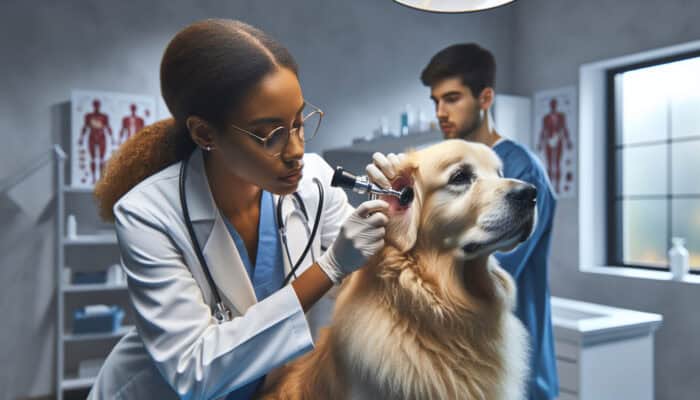
Spotting Early Warning Signs of Ear Infections
Identifying ear infections at an early stage can significantly enhance treatment outcomes. As a pet owner, you should remain observant for signs such as redness around the ear, unpleasant odours coming from the ear canal, or changes in behaviour, including increased irritability and lethargy. Additionally, pets may indicate discomfort by tilting their heads or rubbing their ears against furniture or other objects. Acting swiftly in response to these signs can lead to more effective recovery through appropriate treatments, highlighting the importance of vigilance in protecting your pet's health.
When Should You Seek Professional Veterinary Assistance for Your Pet?
Knowing when to seek professional veterinary help is vital for effectively managing your pet's ear health. If symptoms persist for more than a few days or worsen despite initial home care measures, it is prudent to consult a veterinarian. A professional assessment will ensure the condition is accurately addressed, allowing for the identification of the specific type of infection and the most effective treatment plan. Prompt intervention can prevent further complications and support a healthier recovery for your beloved companion.
Overview of Diagnostic Techniques for Ear Infections

An accurate diagnosis is crucial for formulating effective treatment plans for ear infections. Various diagnostic techniques, such as swabbing ear discharge, conducting otoscopic examinations, and performing cytology, help confirm the presence of infection. Veterinary professionals may also carry out allergy tests or blood work to uncover any underlying causes. Understanding these diagnostic processes enables pet owners to appreciate the importance of thorough evaluations, ensuring their pets receive the appropriate care based on precise findings.
Expert Recommendations for Effectively Treating Ear Infections in Pets
Implementing Effective Home Treatment Strategies
Successfully treating ear infections requires a systematic approach that pet owners can easily follow at home. Start by cleaning the ear canal using a veterinarian-recommended ear cleaning solution to remove debris and excessive wax. After cleaning, apply any prescribed medications or topical solutions as directed, ensuring that you complete the full course of treatment, even if symptoms seem to improve. Regular follow-up appointments with your veterinarian are essential to monitor your pet’s recovery and make any necessary adjustments to the treatment plan. This comprehensive strategy guarantees that pets receive thorough and effective support, leading to improved health outcomes.
How Do Antibiotics Function in Treating Ear Infections?
Antibiotics play a critical role in treating bacterial ear infections, as they specifically target the bacteria responsible for the condition. They work by inhibiting the growth and reproduction of bacteria, thereby reducing the severity of the infection and promoting healing. Understanding how antibiotics operate allows pet owners to appreciate the importance of adhering to veterinary guidelines when administering these medications. Additionally, knowing the mechanics of antibiotics helps pet owners monitor for potential side effects, prioritising their pets' overall health during treatment.
Long-Term Management Strategies for Maintaining Optimal Ear Health
Managing ear infections in pets goes beyond initial treatment; it requires ongoing monitoring and follow-up care. Pet owners should schedule regular veterinary check-ups to assess ear health, particularly for pets prone to ear infections. Real-life examples illustrate successful outcomes resulting from owners following maintenance routines, such as regular cleaning and vigilance for early signs of infection. By adopting a proactive strategy, pet owners can significantly reduce the frequency of ear infections, ensuring long-term ear health and overall well-being for their cherished companions.
Essential Preventive Measures to Avoid Ear Infections
Preventing ear infections is paramount for maintaining your pet's overall well-being. Regular ear examinations should be a fundamental aspect of your pet care routine, allowing you to identify issues before they escalate into more severe conditions. Proper grooming practices, including trimming hair around the ears and routine cleaning, can help mitigate moisture accumulation. Furthermore, implementing environmental controls, such as providing a dry resting area for your pet and minimising allergen exposure whenever feasible, will further reduce the risk of ear infections. These proactive measures are indispensable for safeguarding your pet's health and happiness.
Research-Backed Benefits of Treating Ear Infections
Significant Advantages of Using Topical Solutions
Topical solutions for ear infections provide numerous benefits, significantly reducing inflammation and encouraging healing. Research indicates that these solutions can deliver targeted relief directly to the affected area, enhancing your pet's comfort. Following the application instructions as directed can lead to quicker recovery and improved overall health outcomes for pets. Pet owners should ensure that the solution reaches all areas of the ear canal for maximum effectiveness.
Commonly Prescribed Medications and Their Effects on Pets
A variety of medications are frequently prescribed to alleviate pain associated with ear infections in pets. Anti-inflammatory medications, topical antibiotics, and antifungal agents all play crucial roles in effective treatment. Understanding how these medications interact with your pet's condition is essential for making informed treatment decisions. Open communication with your veterinarian regarding your pet's response to these medications is vital to ensure the highest quality of care throughout the treatment process.
Positive Long-Term Outcomes from Effective Treatments
Research demonstrates that effectively treating ear infections significantly reduces recurrence rates over time, promoting healthier pets. Early intervention combined with comprehensive care strategies can notably decrease the likelihood of future infections. Proven benefits associated with ongoing care include:
- Enhanced ear health and hygiene
- Reduced frequency of veterinary visits
- Improved quality of life for pets
- Lower overall treatment costs
- Increased owner awareness of pet health
- Greater adherence to preventive measures
- Strengthened bond between pets and owners
- Long-term health advantages
Assessing Long-Term Efficacy and Safety of Treatments
Clinical trials have shown that the consistent use of effective ear infection treatments retains their efficacy while minimising potential side effects. By emphasising data on sustained relief and safety profiles in pets, owners can make informed decisions regarding ongoing treatment plans. Recommendations for follow-up care are crucial to prevent adverse outcomes and promote lifelong health, ensuring that pets enjoy happy, healthy lives.
What Are the Most Effective Home Remedies for Ear Infections?
Natural Remedies for Mild Ear Infection Cases
For mild cases of ear infections, several natural remedies can provide soothing relief. Gentle cleansers, such as diluted apple cider vinegar or witch hazel, can help restore the ear's pH balance while reducing inflammation. Additionally, herbal products like calendula oil may offer beneficial anti-inflammatory properties. It is essential to combine these natural remedies with professional consultation to ensure their safety and effectiveness. Monitoring your pet's response to these home treatments is crucial for evaluating their suitability for ongoing care and management.
What Are the Advantages of Over-The-Counter Solutions?
Over-the-counter (OTC) solutions can deliver accessible relief for non-severe ear issues. These products often contain mild antiseptics or soothing agents that can alleviate discomfort. Evaluating the pros and cons of OTC options empowers pet owners to make informed choices regarding their pet's care. However, consulting a veterinarian before initiating any new treatment is imperative to ensure it complements your existing care plan and effectively addresses the specific issue.
How Can You Monitor Your Pet's Progress at Home?
Tracking your pet's progress at home involves routinely checking their ears for signs of improvement. Be attentive to any changes in redness, discharge, or odour, and note behavioural changes that may indicate discomfort. Adjustments based on your pet's response to treatment are vital for ensuring effective recovery. Documenting your observations can provide valuable information to share with your veterinarian during visits, resulting in a more customised and effective treatment strategy based on real-time data.
Effective Preventive Strategies for Sustaining Ear Health
Best Practices for Regular Ear Cleaning
Consistent ear maintenance is crucial for preventing wax build-up and minimising the risk of infections. Simple habits, such as gently cleaning your pet’s ears with a veterinarian-recommended ear cleaning solution, can significantly lower the risk of infections. Establishing a regular cleaning schedule tailored to your pet's unique needs and lifestyle will help maintain optimal ear health. This proactive approach is essential for long-term ear health, ensuring your pet remains comfortable and free of infections throughout their life.
Dietary Considerations That Influence Ear Health
A well-balanced, nutritious diet plays a vital role in supporting your pet’s immune system, with specific foods potentially helping to lower the risk of ear infections. Diets rich in omega-3 fatty acids can enhance overall skin and ear health, while antioxidants can strengthen the immune response. Consulting with a veterinarian about the best dietary options tailored to your pet’s unique needs can be transformative in preventing ear infections and ensuring overall health and well-being.
Making Lifestyle Changes to Prevent Ear Infections
Implementing minor lifestyle modifications can significantly impact your pet's ear health. Activities such as thoroughly drying their ears after baths or swimming can help prevent moisture build-up. Additionally, establishing consistent grooming and ear check routines fosters long-term well-being. By understanding your pet’s specific needs and environmental factors, you can markedly reduce the risk of ear infections, ultimately leading to happier and healthier pets.
Frequently Asked Questions About Ear Infections in Pets
What are the common symptoms of ear infections in pets?
Common symptoms include scratching at the ears, head shaking, foul odour, redness, and discharge from the ear canal. You may also observe behavioural changes, such as increased irritability or lethargy, in affected pets.
How can I prevent ear infections in my pet?
Preventive measures include regular ear cleaning, proper grooming, avoiding moisture build-up, and scheduling routine veterinary check-ups. Staying alert for early signs of infection is also crucial for effective management.
What should I do if my pet has an ear infection?
If you suspect your pet has an ear infection, it is vital to consult a veterinarian for a proper diagnosis and treatment plan. Home remedies should only be used under professional guidance to ensure safety and effectiveness.
Are there specific breeds more prone to ear infections?
Yes, certain breeds, particularly those with floppy ears or excessive ear hair, are more susceptible to ear infections. Breeds such as Cocker Spaniels, Basset Hounds, and Bulldogs often require additional ear care and attention.
How do I safely clean my pet's ears?
Use a veterinarian-recommended ear cleaner, apply a small amount to the ear canal, and gently massage the base of the ear. Allow your pet to shake their head, and then wipe away any excess liquid with a cotton ball to ensure thorough cleaning.
Can I use home remedies for ear infections in pets?
Mild cases may benefit from natural remedies, such as diluted apple cider vinegar. However, it is essential to consult a veterinarian before using any home remedies to ensure safety and effectiveness.
What are the treatment options for ear infections?
Treatment options generally include antibiotics for bacterial infections, antifungal medications for yeast infections, and topical solutions to reduce inflammation. Your veterinarian will recommend the best approach based on the specific type of infection your pet is experiencing.
How do I know if my pet's ear infection is serious?
If your pet exhibits severe symptoms, such as persistent pain or swelling, or if the infection does not improve with initial treatment, it is critical to seek veterinary care immediately for a thorough evaluation and appropriate management.
What are the potential side effects of ear infection medications?
Common side effects may include temporary irritation, behavioural changes, or gastrointestinal upset. Monitoring your pet during treatment is crucial to detect any adverse reactions and ensure their comfort and safety.
How often should I check my pet's ears for infections?
Regular checks should be an integral part of your grooming routine, ideally conducted weekly. This practice helps ensure that any issues are caught early, thereby maintaining overall ear health and preventing infections.
Connect with us on Facebook for more tips and updates!
The Article Ear Infection Treatments For Pets: Effective Options for Care First Published On https://elgatoencasa.com
The Article Ear Infection Treatments for Pets: Top Care Options Was Found On https://limitsofstrategy.com