Your Comprehensive Guide to Mastering Emergency Wound Care Techniques
What Essential Elements Constitute Effective Emergency Wound Care?
Emergency wound care represents a vital aspect of first aid, devoted to the immediate treatment of injuries to avert further damage and prevent the onset of infections. This type of care is crucial for stabilising injuries until professional medical assistance can be accessed. The primary objective is to manage the wound effectively, aiming to alleviate pain and avert complications. Individuals tasked with providing emergency wound care must act swiftly, as the initial moments post-injury can greatly influence healing results.
Fundamentally, emergency wound care serves as a critical bridge to professional medical support. Whether one is trekking in the wilderness, working in an industrial setting, or enjoying leisure time at home, possessing knowledge on how to respond to injuries can be life-saving. This process entails assessing the type of wound, controlling bleeding, and guaranteeing that the affected area is clean and protected from contaminants to reduce the risk of infection. Ultimately, mastering the fundamentals of emergency wound care equips individuals with the necessary skills to take decisive action in high-stress situations.
What Varieties of Wounds Necessitate Immediate Emergency Attention?
Identifying the different types of wounds that require emergency wound care is vital for delivering appropriate treatment tailored to each injury's specifics. Each wound type presents unique challenges and calls for distinct responses. The main categories encompass cuts, puncture wounds, abrasions, lacerations, and bites. Each type varies in severity and potential complications, making accurate identification essential.
Cuts are typically straightforward injuries that can range from superficial scrapes to deep lacerations. Puncture wounds, caused by sharp objects, may be deceptively serious due to the heightened risk of infection. Abrasions involve the scraping away of the outer skin layer and, although often considered less severe, can still lead to complications if not managed properly. Lacerations are deeper wounds that may require stitches or professional evaluation. Furthermore, animal or human bites pose unique risks, including the potential for rabies or other infections, underscoring the necessity for immediate care.
- Cuts
- Puncture wounds
- Abrasions
- Lacerations
- Bites
Why Is Prompt Action Crucial in Emergency Wound Care?
Timeliness in emergency wound care is absolutely paramount. The rapidity with which care is administered can significantly diminish the risk of complications and enhance overall healing outcomes. Delayed treatment can lead to increased pain, a greater likelihood of infection, and, in certain situations, long-term disability. For example, if a deep cut reopens, the chance of infection escalates dramatically, severely compromising the body’s natural healing processes.
Moreover, swift action can lessen the severity of injuries. By promptly controlling bleeding, the risk of shock diminishes. Research suggests that individuals receiving timely care exhibit improved recovery trajectories, while those who postpone treatment frequently face setbacks. Hence, recognising the significance of a rapid response reinforces the notion that every second counts in emergency wound care. This awareness empowers individuals to act quickly and with confidence in emergency situations.
What Vital Procedures Should Be Followed in Emergency Wound Care?
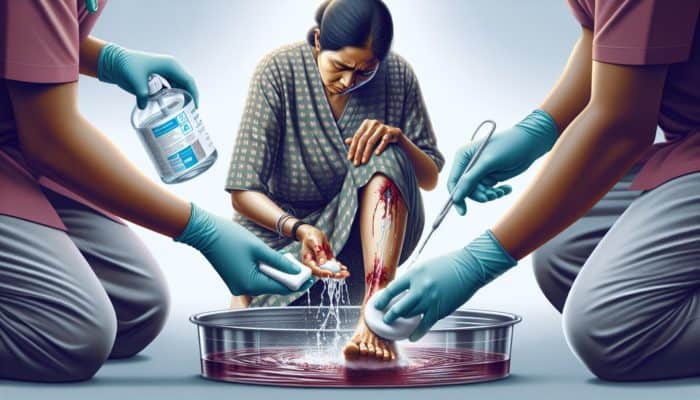
The fundamental steps in emergency wound care act as a guideline that everyone should be familiar with. First and foremost, eliminate any potential source of infection. Ideally, utilise clean water (preferably sterilised) along with mild soap if it is available. It is essential to avoid harsh chemicals, as they can damage tissue and hinder the healing process.
Next, applying pressure to halt bleeding is of utmost importance. Use a clean cloth or bandage to apply firm pressure directly to the wound, maintaining this pressure until bleeding stabilises, which aids in securing the injury. Once the bleeding has ceased, cover the wound with a sterile dressing to prevent contamination. If the wound is large or exhibits signs of infection, seek medical attention as soon as possible. Following these foundational steps is crucial for effective emergency care.
- Clean the wound using water and mild soap.
- Apply pressure with a clean cloth or bandage.
- Cover the wound with a sterile dressing.
- Seek medical assistance if necessary.
Expert Recommendations for Optimal Emergency Wound Care Practices
What Best Practices Should Be Employed for Emergency Wound Care?
Adhering to best practices in emergency wound care can greatly influence the effectiveness of treatment. Real-life examples showcase these practices, highlighting the necessity of a systematic approach tailored to the type and severity of the wound. Wearing sterile gloves when handling an open wound minimises the risk of introducing infection.
Another essential practice is to take a moment to assess the situation before proceeding. If the wound is bleeding heavily, first apply pressure, then evaluate whether it is safe to continue cleaning the area. For instance, a hiker who suffers a deep laceration on a remote trail must initially control the bleeding before attempting to cleanse the wound using available resources.
Utilising a clean cloth or bandage to cover the wound while seeking professional help is also advisable. In many outdoor scenarios, injuries may occur far from medical facilities, making it crucial to stabilise the wound as effectively as possible. Techniques such as using improvised bandages from readily available materials can also be explored, allowing individuals to manage wounds until better care is accessible.
How Can You Evaluate the Severity of a Wound?
Assessing wound severity is a critical skill in emergency wound care, necessitating the evaluation of various factors, including bleeding, depth, and contamination. By understanding these indicators, one can ascertain the urgency and type of care required; a minor wound may only ooze blood, whereas a severe wound can lead to rapid blood loss. Next, assess the depth of the wound. Superficial wounds may heal with basic first aid, while deep lacerations frequently necessitate stitches or professional intervention. Contamination is also a significant factor; wounds exposed to dirt, animal bites, or other bacterial sources should be treated with heightened caution. This evaluation informs the responder about whether they can provide basic care or if immediate medical assistance is warranted.
- Check the bleeding level.
- Assess the wound’s depth.
- Evaluate contamination risks.
- Monitor for additional symptoms, such as pain or swelling.
What Role Do Healthcare Professionals Have in Emergency Wound Care?
Healthcare professionals are instrumental in emergency wound care, offering advanced treatment and ensuring proper follow-up care. Their expertise is invaluable in managing complex wounds that exceed basic first aid capabilities. For instance, a healthcare provider can effectively clean and debride a wound, significantly reducing the likelihood of infection and facilitating optimal healing.
Moreover, professionals can administer necessary vaccines, such as tetanus, particularly for wounds from potentially contaminated sources. They also possess the authority to prescribe antibiotics, which may be crucial for preventing or treating infections. Beyond immediate treatment, doctors and nurses educate patients about home wound care, stressing the significance of monitoring for infection signs and maintaining a clean, dry wound.
Ultimately, the involvement of medical professionals enhances the quality of care and patient outcomes for wounds requiring more than basic management. Their role not only stabilises the situation but also contributes to long-term healing and recovery.
Essential Procedures in Emergency Wound Care
How Can You Effectively Clean a Wound?
Properly cleaning the wound is a crucial step in emergency care; it helps eliminate debris and significantly reduces the risk of infection. The cleaning process should commence as soon as possible after the injury occurs. Ideally, the responder should thoroughly rinse the wound with clean water. If the injury takes place outdoors, stream or bottled water is preferable.
If available, mild soap can be gently applied to the area surrounding the wound to eliminate any additional contaminants. However, it is vital to avoid introducing soap directly into the wound, as this can irritate it further. After the initial cleansing, gently pat the area dry with a clean towel or cloth. It is crucial to handle the wound with care to avoid causing additional injury.
In scenarios where the wound is particularly dirty or contaminated, utilising saline solution can enhance the cleaning process. This approach is frequently employed in clinical settings but can also be improvised with sterile water or saline packets. Proper cleansing not only promotes healing but also sets the groundwork for effective dressing and subsequent care.
- Utilise clean, running water for rinsing.
- Apply mild soap around the wound.
- Avoid getting soap directly into the wound.
- Pat the area dry with a clean cloth.
How Do You Apply Pressure to Effectively Stop Bleeding?
Applying pressure to stop bleeding is one of the most critical skills in emergency wound care. When an individual sustains an injury that results in bleeding, controlling blood flow is vital to prevent shock and further complications. The first step is to locate a clean cloth or bandage to apply directly to the wound.
Using your hand, apply firm pressure for at least 5 to 10 minutes without lifting the cloth to check for bleeding. This technique can help clot blood and facilitate healing. If the cloth becomes soaked, do not remove it; instead, place another clean cloth or bandage on top and continue applying pressure. In certain situations, elevating the injured area above heart level can also assist in reducing blood flow to the wound.
It’s vital to remain calm and encourage the injured person to do the same, as anxiety can exacerbate bleeding. If bleeding does not stop after 10 minutes of consistent pressure, seeking professional medical assistance is crucial. Quick and effective management of bleeding is vital to stabilise the patient and prevent severe outcomes.
- Locate a clean cloth or bandage.
- Apply firm pressure directly to the wound.
- Do not lift the cloth to check for bleeding.
- Elevate the injured area above heart level.
What Actions Should You Take After Successfully Stopping the Bleeding?
After effectively halting the bleeding, the subsequent step in emergency wound care is to cover the wound with a sterile dressing to prevent further contamination and promote healing. A sterile dressing not only provides a barrier against dirt and germs but also fosters an optimal healing environment.
Once the bleeding has ceased, gently clean the wound again if necessary, following the previously discussed steps. Carefully apply a sterile bandage over the wound, ensuring that it adheres without applying excessive pressure that could disrupt the healing process. If the wound is deep or large, it may require additional gauze layers or a specialised dressing to absorb any potential drainage.
Monitoring the wound for signs of infection is crucial in the days following the injury. Symptoms such as increased redness or pus may indicate the need for professional medical attention. Remember that proper dressing care involves changing the bandage regularly and cleaning the area surrounding the wound. This ongoing attention can significantly enhance the healing process and prevent complications.
- Cover the wound with a sterile dressing.
- Monitor for signs of infection.
- Change the bandage regularly.
- Consult a healthcare professional if complications arise.
How Does Elevating the Injured Area Benefit Wound Care?
Elevating the injured area is a crucial step in emergency wound care that can help reduce swelling and bleeding. When a limb is injured, positioning it above heart level can decrease blood flow to the area, thus helping to control bleeding and minimise inflammation. This technique is particularly effective for managing injuries to the arms and legs. Use cushions, pillows, or any available support to raise the injured limb comfortably. Ensure that the elevation does not cause additional pain or discomfort, as this can complicate the situation. In cases of severe pain or suspected fractures, immobilising the limb while elevating it is crucial to prevent further injury.
Additionally, elevating the injured area can promote lymphatic drainage, which helps reduce swelling. This practice is particularly effective in the initial hours post-injury. However, if persistent symptoms or complications arise, seeking medical attention is imperative. Elevating the injured area is a simple yet powerful technique that can significantly enhance emergency care.
- Position the injured limb above heart level.
- Use pillows or cushions for comfort.
- Avoid causing additional pain when elevating.
- Monitor for persistent swelling or complications.
When Should You Seek Professional Medical Attention?
Seeking medical attention is a vital step in emergency wound care, especially when the injury is deep, large, or exhibits signs of infection. Knowing when to escalate care is essential to prevent complications and ensure proper healing. For minor wounds, basic first aid may suffice; however, certain injuries necessitate professional intervention.
For instance, if a wound is bleeding profusely and does not respond to pressure, or if it has jagged edges or appears infected, immediate professional assistance is crucial. Medical professionals are equipped to perform advanced treatments, such as suturing and wound debridement, and to prescribe antibiotics as necessary. Moreover, they can provide comprehensive care and monitoring, significantly reducing the risk of long-term complications.
Additionally, specific types of wounds, such as animal bites or those incurred in contaminated environments, warrant prompt medical evaluation due to the associated risks. Understanding these critical signs and responding appropriately can significantly influence the outcomes of emergency wounds. Always err on the side of caution, as timely intervention can prevent severe health issues down the line.
- Seek help for deep or large wounds.
- Look for signs of infection, such as redness and swelling.
- Contact medical professionals for severe injuries.
- Be aware of the need for stitches or antibiotics.
Vital Supplies for Optimising Emergency Wound Care
What Supplies Are Indispensable for Effective Wound Care?
Having the appropriate supplies readily available is essential for effective emergency wound care. Essential materials significantly enhance the speed and effectiveness of treating injuries. A well-stocked wound care kit should include bandages of various sizes, sterile gauze, adhesive tape, antiseptics, and gloves.
Bandages play a crucial role in covering wounds and preventing infection. Sterile gauze is essential for absorbing any blood or fluids, while adhesive tape can secure dressings in place. Antiseptics, such as alcohol wipes or iodine, can help clean the area surrounding the wound if soap and water are unavailable. Gloves are equally important to protect both the responder and the patient from potential contaminants during treatment.
Moreover, scissors and tweezers can be invaluable tools for cutting bandages or removing debris from a wound. A flashlight may also be handy for assessing wounds in low-light conditions. Having essential items readily available can make a significant difference in emergencies, leading to better outcomes and improved patient care.
- Bandages of various sizes.
- Sterile gauze for absorption.
- Adhesive tape for securing dressings.
- Antiseptics for cleaning.
- Disposable gloves for protection.
How Should You Sustain a Wound Care Kit?
Maintaining a wound care kit is essential to ensure it remains effective and ready for use in emergencies. Regularly checking the contents of the kit is necessary to identify any expired items or supplies that need replenishing. A well-maintained kit provides peace of mind, knowing that you are prepared for unexpected injuries.
Begin by reviewing the expiration dates on all medical supplies, such as antiseptics and adhesive bandages. Discard any expired items and replace them with new products. It is also crucial to assess the quantities of essential items, such as gauze, bandages, and gloves. If any supplies are running low, make a note to restock them promptly.
Furthermore, keeping the kit organised makes it easier to find during an emergency. Consider categorising supplies by type and ensuring that everything is stored in waterproof containers to protect against moisture and contamination. A well-maintained and organised wound care kit is a vital component of preparedness, empowering individuals to respond swiftly to emergencies.
- Regularly check expiration dates on supplies.
- Replace expired or used items promptly.
- Assess quantities and restock as needed.
- Organise the kit for easy access during emergencies.
How Can You Improvise When Traditional Emergency Wound Care Supplies Are Unavailable?
Improvisation is often necessary when traditional emergency wound care supplies are unavailable. Knowing how to utilise everyday items as substitutes can be critical in managing injuries effectively until professional help arrives. Various household materials can serve as temporary solutions for treating wounds.
For example, clean T-shirts can be used as makeshift bandages when other materials are unavailable, and they can be folded and secured with duct tape or string. Even plastic wrap can be used in a pinch to cover a wound and shield it from contaminants.
Adhesives, such as tape or glue, can be utilised to hold dressings in place if adhesive bandages are not available. If isopropyl alcohol is unsuitable for cleaning, a saline solution made with salt and clean water can help rinse the wound. While these improvisations are not ideal, they can stabilise the injury temporarily until more appropriate care is available. Understanding how to improvise effectively can make a crucial difference in emergency wound management.
- Use clean cloths as makeshift bandages.
- Secure dressings with duct tape or string.
- Utilise plastic wrap to cover wounds.
- Make a saline solution if water is unavailable.
Frequent Errors to Avoid in Emergency Wound Care
What Are the Risks of Ignoring Signs of Infection?
Overlooking signs of infection is among the most critical mistakes individuals can make in emergency wound care. Early recognition of these signs greatly enhances wound outcomes; symptoms such as increased redness, swelling, warmth around the wound, or pus discharge may indicate that an infection is developing.
Failing to identify these signs can lead to more severe complications, including systemic infections that may necessitate hospitalisation. Individuals should routinely monitor the wound in the days following the injury, particularly if it is deep or exposed to contaminants. If any signs of infection arise, it is vital to seek professional medical assistance immediately.
Educating oneself about the signs of infection empowers individuals to take proactive measures. Being diligent about cleanliness and following proper wound care protocols is essential to minimising infection risks from the outset. Taking these precautions can significantly enhance healing and reduce the likelihood of complications.
- Monitor for redness or swelling.
- Look for heat around the wound.
- Check for pus or unusual discharge.
- Seek professional help if symptoms arise.
How Does Using Inappropriate Cleaning Agents Impact Wound Care?
Using improper cleaning agents in emergency wound care can lead to adverse outcomes, including tissue damage and delayed healing. Many individuals mistakenly use harsh substances such as alcohol or hydrogen peroxide for wound cleaning, believing they provide optimal sterilisation. However, these agents can irritate healthy tissue and impede the healing process. Instead, practice rinsing the wound thoroughly and removing debris. If soap is available, apply mild soap to the skin surrounding the wound, but it should not come into direct contact with the injury itself. Understanding the difference between appropriate and inappropriate cleaning agents is crucial for effective wound management.
When there is uncertainty about the right cleaning method, it is always better to err on the side of caution and use water. Once the wound is clean, covering it with a sterile dressing will further protect it from contaminants. Emphasising proper cleaning techniques can enhance healing and mitigate the risk of complications.
- Avoid using alcohol or hydrogen peroxide.
- Use clean, running water for rinsing.
- Employ mild soap on the skin surrounding the wound.
- Cover the wound with a sterile dressing after cleaning.
What Are the Dangers of Neglecting Professional Help?
Neglecting to seek professional assistance when necessary can result in serious risks associated with emergency wound care. The consequences of untreated conditions include unaddressed infections, improper healing, and long-term complications. For instance, a deep laceration that is not properly evaluated may heal poorly, resulting in scarring or functional impairment.
Moreover, serious infections can develop if a wound is not adequately cleaned or if it is not monitored for signs of complications. These infections can lead to systemic issues, necessitating more extensive medical intervention. In some cases, untreated infections can even become life-threatening. Furthermore, a professional evaluation is essential for wounds that may require stitches or specialised treatments.
Understanding the risks associated with neglect underscores the importance of acting quickly in emergencies. If in doubt about the severity of a wound, seeking medical assistance is always the prudent course of action. Timely intervention can save lives, improve recovery times, and ensure proper healing.
- Risk of untreated infections.
- Possibility of improper healing.
- Long-term complications may arise.
- Increased need for extensive medical intervention.
How Can Excessive Pressure Impede Wound Healing?
Applying excessive pressure to a wound during emergency care can lead to further damage and hinder healing. Although controlling bleeding is crucial, excessive force can disrupt delicate tissues, which may result in increased pain and complications.
The correct technique involves firm but gentle pressure. If bleeding does not subside after a few minutes, it may be necessary to adjust the pressure or elevate the injured area instead of increasing force. Using a clean cloth or bandage, apply consistent pressure without compromising blood flow to the surrounding tissues.
Moreover, awareness of the appropriate level of pressure is effective for wound management. Understanding that gentle pressure is often sufficient to control bleeding can empower individuals to provide better emergency care. This approach leads to improved healing and diminishes the risk of complications arising from overly aggressive treatment.
- Use firm but gentle pressure on the wound.
- Avoid disrupting delicate tissues.
- Adjust pressure if bleeding continues.
- Consider elevating the area instead of increasing the force.
What Are the Consequences of Failing to Keep a Wound Moist?
Neglecting to maintain a wound's moisture is a common error in emergency wound care that can delay healing and increase scarring. Research indicates that moist environments play a crucial role in tissue migration and regeneration. When a wound dries out, it can form scabs that inhibit the healing process.
To sustain an optimal healing environment, using appropriate dressings that retain moisture is essential. Hydrogel or foam dressings are excellent options for keeping the wound moist while protecting it from contaminants. Regularly changing dressings and applying moisture-retaining ointments can also enhance healing.
Being mindful of the need to keep the wound moist empowers individuals to take proactive steps in their care. Educating oneself about suitable dressings and techniques for maintaining moisture is critical. Ultimately, prioritising this aspect of wound care improves healing outcomes and reduces the risk of complications.
- Utilise moisture-retaining dressings.
- Change dressings regularly to maintain moisture.
- Apply ointments if necessary for hydration.
- Educate yourself on optimal wound management techniques.
Evidence-Based Advantages of Effective Emergency Wound Care
How Does Emergency Wound Care Improve Health Outcomes?
Emergency wound care significantly enhances health outcomes by providing timely intervention that reduces complications and accelerates healing. Prompt attention can lead to improved recovery trajectories, minimising the likelihood of infections and related complications. Actions such as controlling bleeding, effectively cleaning the wound, and utilising appropriate dressings can all drastically impact healing.
Research indicates that timely wound care can result in shorter hospital stays and lower reinfection rates. For example, a study involving trauma patients found that those who received immediate wound care experienced a 50% reduction in infection rates compared to those whose wounds were managed after delays. These statistics emphasise the importance of understanding and implementing effective emergency wound care practices.
Moreover, knowing how to manage wounds effectively enables individuals to act decisively during emergencies, thereby improving patient outcomes by employing best practices in emergency wound care. Individuals can contribute to better health results, reinforcing the importance of education and preparedness in emergencies.
- Reduce complications through timely intervention.
- Enhance healing with effective practices.
- Shorten hospital stays and follow-up visits.
- Lower infection rates with proper care.
What Is the Influence of Emergency Wound Care on Long-Term Healing?
The influence of emergency wound care on long-term healing is profound. Proper initial care lays the foundation for successful recovery, affecting not only the immediate outcome but also the potential for long-term complications. For instance, a well-managed wound is less likely to develop chronic issues such as non-healing ulcers or excessive scarring.
Furthermore, timely intervention can avert infection, a primary cause of delayed healing and additional medical issues. A clean, well-dressed wound allows for optimal healing conditions, enhancing tissue regeneration and reducing recovery time. Studies have demonstrated that patients who receive adequate emergency care experience fewer complications and improved long-term functional outcomes.
Ultimately, understanding the relationship between effective emergency wound care and long-term health outcomes encourages individuals to prioritise their response to injuries. Valuing the immediate care process can significantly contribute to health and well-being, ensuring a more favourable recovery experience.
- Promote tissue regeneration with proper care.
- Reduce the risk of chronic healing problems.
- Prevent infections that delay healing.
- Enhance functional outcomes for patients.
What Evidence Validates the Effectiveness of Emergency Wound Care?
Clinical studies consistently demonstrate the effectiveness of emergency wound care in diminishing complications and enhancing patient outcomes. Research has shown that timely intervention decreases the likelihood of infection and promotes quicker healing. For example, a study published in a prominent medical journal revealed that patients who received early wound care had significantly lower infection rates than those who delayed treatment.
Moreover, evidence from various studies indicates that specific practices, such as properly cleaning wounds and maintaining a moist healing environment, are associated with improved outcomes. In clinical settings, patients who follow best practices in wound management frequently report higher satisfaction levels with their recovery process and experience fewer complications requiring follow-up care.
These findings reinforce the significance of education and training in emergency wound care. By understanding the evidence and best practices, individuals can enhance their capacity to manage wounds effectively, leading to better health outcomes and reduced healthcare costs in the long run.
- Research shows lower infection rates with timely care.
- Improved healing times are linked to effective practices.
- Patient satisfaction correlates with proper wound management.
- Evidence supports the need for education in emergency care.
Special Considerations for Effective Emergency Wound Care
How Should You Care for Wounds in Children?
Caring for wounds in children necessitates special considerations due to their sensitive skin and distinct emotional responses to injury. Children are often more vulnerable to infections, making timely and effective wound care all the more critical. It’s essential to approach their care with gentleness and reassurance to alleviate any fears they may have regarding the injury.
Using child-friendly bandages can make the process less intimidating. Brightly coloured dressings or those featuring popular characters can distract the child from pain and fear. Involving the child in the care process, whether by allowing them to select a bandage or assisting with cleaning (as appropriate), fosters a sense of control and alleviates anxiety.
Additionally, educating parents and caregivers on infection signs and proper aftercare is vital to ensuring that the wound heals appropriately. Teaching them how to monitor the wound and recognise when to seek medical assistance can empower them to provide effective care. By considering these factors, caregivers can help children navigate the experience of injury with less stress.
- Use child-friendly bandages for comfort.
- Involve the child in the care process.
- Educate caregivers on infection signs.
- Provide reassurance and support during treatment.
What Actions Should You Take for Deep or Large Wounds?
Deep or large wounds necessitate immediate attention and specialised care in emergency wound care. These types of injuries are more likely to lead to complications, such as excessive bleeding or infection, making it essential to act promptly. The first step is to ensure that the person remains calm and still while you apply direct pressure to control any bleeding.
After stabilising the wound, it is crucial to seek professional medical help as soon as possible. Deep wounds may require stitches or other surgical interventions that cannot be effectively performed outside a medical facility. In the meantime, avoid cleaning or probing the wound extensively, as this could exacerbate the injury or introduce bacteria.
When the wound is large and gaping, it is essential to cover it with a sterile dressing until professional care arrives. Monitoring for any signs of shock, such as faintness or rapid pulse, is also important, as these indicate a more serious condition. Deep and large wounds necessitate careful management and prompt medical evaluation to ensure optimal healing.
- Apply direct pressure to control bleeding.
- Seek professional medical help immediately.
- Avoid extensive cleaning of the wound.
- Cover with a sterile dressing while waiting for help.
How Should You Manage Wounds in Individuals with Chronic Conditions?
Managing wounds in individuals with chronic conditions, such as diabetes, requires special attention in emergency wound care. Chronic conditions can complicate the healing process and elevate the risk of infection. For example, individuals with diabetes often experience slower healing due to poor circulation and compromised immune responses.
When caring for these individuals, it is essential to closely monitor for signs of infection, such as increased redness or drainage. Keeping the wound clean and appropriately dressed is paramount for preventing complications. Regular follow-up with healthcare providers is also necessary, as they can offer specialised care and adjustments to management plans.
Education on proper wound care for these individuals, including maintaining optimal blood sugar levels, can significantly influence healing outcomes. Encouraging routine foot care and hygiene can reduce the likelihood of injuries in the first place. By factoring in these special considerations, caregivers can enhance overall wound management for individuals with chronic conditions.
- Monitor for signs of infection closely.
- Keep the wound clean and appropriately dressed.
- Encourage regular follow-ups with healthcare providers.
- Educate on maintaining optimal blood sugar levels.
What Specific Considerations Are Necessary for Handling Wounds in Older Adults?
Managing wounds in older adults necessitates particular care in emergency settings due to changes in skin integrity and healing capacity. Aging skin is often more fragile and susceptible to injury, making it essential to approach wound care with gentleness. Additionally, elderly individuals may have underlying health conditions that complicate healing, further necessitating careful management.
When treating wounds in older adults, it is crucial to clean the area gently, avoiding harsh scrubbing that can damage delicate skin. Use mild soap and clean, lukewarm water to thoroughly rinse the wound. Employing soft, sterile dressings can help protect the area while allowing for better healing conditions. Regularly changing dressings and monitoring for signs of infection is essential, as older individuals may not exhibit typical symptoms.
Furthermore, it’s important to consider mobility issues that may affect self-care. Providing assistance and education on proper wound management ensures that elderly individuals receive the help they need. By taking these factors into account, caregivers can foster better healing outcomes and improve the quality of life for older adults.
- Clean the wound gently with lukewarm water.
- Use soft, sterile dressings for protection.
- Monitor for signs of infection closely.
- Assist with mobility issues during care.
What Additional Considerations Are Necessary for Wound Care in Contaminated Environments?
Wound care in contaminated environments presents unique challenges that necessitate specialised equipment and protocols in emergency settings. Wounds are at a heightened risk of infection, requiring immediate and thorough care. The first step is to control any bleeding using clean cloths or bandages while keeping the injured area as clean as possible.
After stabilising the wound, it is essential to thoroughly clean the area with clean water or saline solution. If the wound is particularly dirty or has been exposed to contaminants such as soil, it may require more aggressive cleaning techniques. After cleaning, apply an appropriate sterile dressing to protect the wound from further contamination.
In some instances, individuals may require tetanus prophylaxis, especially if a dirty or rusty object caused the wound. Seeking medical assistance is crucial in contaminated environments to ensure proper evaluation and treatment. Understanding how to manage wounds in such settings can significantly reduce infection risks and improve healing outcomes.
- Control bleeding with clean cloths.
- Thoroughly clean the wound with saline or clean water.
- Apply a sterile dressing immediately.
- Seek medical attention for tetanus prophylaxis if necessary.
Strategies for Preventing Future Wounds
What Safety Measures Can You Implement to Avoid Injuries?
Implementing safety measures to prevent injuries is essential in emergency wound care. Prevention plays a vital role in reducing the incidence of injuries that necessitate wound care. Educating individuals about potential hazards in various settings—whether at home, work, or during recreational activities—can significantly reduce the risk of injury.
Common safety measures include wearing protective gear such as helmets, gloves, and knee pads during sports or physical activities. At home, using non-slip mats in bathrooms, ensuring proper lighting in stairways, and keeping walkways clear of obstacles can help prevent falls and related injuries. In professional environments, adhering to safety protocols and utilising personal protective equipment is crucial for minimising risks.
Additionally, organising regular safety drills and educational sessions can foster increased awareness about potential hazards. By prioritising safety, individuals can create an environment conducive to injury prevention, significantly reducing the need for emergency wound care. A proactive approach to safety not only protects individuals but also enhances overall well-being.
- Wear protective gear during activities.
- Ensure proper lighting in hazardous areas.
- Keep walkways and stairways clear of obstacles.
- Organise safety drills and educational sessions.
What Role Do Routine Health Check-Ups Play in Injury Prevention?
Regular health check-ups play a vital role in preventing injuries and managing chronic conditions that could lead to wounds requiring emergency wound care. Routine evaluations enable healthcare providers to identify underlying health issues or risk factors that may increase susceptibility to injuries. Conditions such as diabetes or osteoporosis heighten the risk of wounds and complicate healing.
During check-ups, healthcare professionals can offer personalised advice on maintaining a healthy lifestyle and suggest modifications to reduce injury risks. For instance, ensuring proper nutrition and exercise can strengthen bones and muscles, making individuals less prone to falls and accidents. Additionally, individuals can discuss any concerns regarding medication side effects that may affect coordination or balance.
By addressing these potential issues during regular health check-ups, individuals can adopt a proactive approach to injury prevention. Recognising that prevention is often more effective than treatment empowers individuals to take charge of their health and reduce the likelihood of requiring emergency wound care. Ultimately, regular check-ups foster a healthier, safer lifestyle.
- Identify risk factors during evaluations.
- Receive personalised advice for injury prevention.
- Discuss medication side effects affecting balance.
- Promote overall health through nutrition and exercise.
How Can You Foster a Safe Environment to Reduce Injury Risks?
Creating and promoting a safe environment is fundamental to reducing the risk of injuries that lead to emergency wound care. Safety arises from being proactive and aware of potential hazards in homes, workplaces, and public spaces. Implementing safety protocols and encouraging adherence among individuals can greatly decrease the likelihood of accidents.
At home, proper storage of tools and hazardous materials can minimise risks. Installing safety gates for young children, using corner protectors on furniture, and ensuring smoke detectors are functional contribute to a safer living space. In workplace settings, developing safety policies, conducting regular inspections, and providing training on safe practices can cultivate a culture of safety.
Regular safety audits and encouraging feedback from family members or employees can also help identify and address potential hazards. By promoting a safe environment, individuals significantly reduce the chances of injuries necessitating emergency wound care. A focus on safety not only enhances well-being but also contributes to a culture of care and responsibility.
- Store tools and hazardous materials safely.
- Install safety gates and corner protectors.
- Conduct regular safety inspections at work.
- Encourage feedback on potential hazards.
Frequently Asked Questions Regarding Emergency Wound Care
What Actions Should I Take If I Accidentally Cut Myself?
You should clean the cut with running water and mild soap, apply pressure to stop the bleeding, and cover it with a sterile bandage. If the cut is deep or shows signs of infection, seek medical attention promptly.
How Can I Determine If a Wound Is Infected?
Signs of infection include increased redness, swelling, warmth, pus or discharge, and persistent pain. If you notice these symptoms, seek medical assistance immediately.
When Is It Essential to Seek Professional Help for a Wound?
Seek professional help if the wound is deep, large, bleeding excessively, or shows signs of infection. Additionally, any wound caused by animal bites or contaminated objects should be evaluated by a healthcare provider.
Can I Use Alcohol to Clean a Wound?
No, using alcohol or hydrogen peroxide can irritate the wound and delay healing. Clean the wound with running water and mild soap instead.
How Often Should I Change the Dressing on a Wound?
Change the dressing at least once per day or whenever it becomes wet or soiled. Frequent changes help keep the wound clean and reduce the risk of infection.
What Are the Best Materials for a Wound Care Kit?
Essential items include sterile gauze in various sizes, adhesive tape, antiseptics, disposable gloves, and scissors. Ensure your kit is well-stocked and organised.
How Can I Prevent Wounds in Children?
Implement safety measures such as using child-friendly protective gear during activities, supervising playtime, and creating a safe home environment to minimise injury risks.
What Should I Do If a Wound Is Bleeding Heavily?
Apply firm pressure with a clean cloth or bandage directly to the wound. If bleeding does not stop after 10 minutes, seek emergency medical attention immediately.
Is It Safe to Remove Debris from a Wound Myself?
If debris is easily removed without probing the wound further, it can be done. However, deep or embedded debris should be evaluated and managed by a healthcare professional to avoid complications.
Can I Apply Ointment to a Wound?
Once the wound is clean and dry, a thin layer of antiseptic ointment can be applied, followed by a sterile dressing to keep the wound moist and promote healing.
Explore More with Us on X!
The post Emergency Wound Care: Essential Techniques and Tips appeared first on Survival Bite.
The Article Emergency Wound Care Tips and Techniques You Need to Know Was Found On https://limitsofstrategy.com