Enhance Your Pet's Health by Selecting Fiber-Dense Diets
What is Fiber and Why is it Indispensable for Your Pet's Health?

Fiber is a critical component of your pet's dietary needs, profoundly influencing their overall health by improving gut health and facilitating effective digestion. This vital nutrient embodies the indigestible part of plant-based foods, travelling through the digestive system to provide the necessary bulk that encourages consistent bowel movements. Numerous pet owners have reported significant enhancements in their pets' digestive health upon incorporating fiber into their diets. Adequate fiber intake is essential; its absence can lead to constipation, diarrhoea, or various gastrointestinal concerns. Thus, comprehending the importance of fiber is essential for pet owners aiming to ensure the well-being and vitality of their beloved animals.
Explore a Range of Natural Fiber Sources to Enrich Your Pet's Diet
Pet owners have access to an abundant variety of natural fiber sources that can support their pets' digestion, each offering distinct advantages. Among the most effective fiber sources are fruits, vegetables, and specific grains, all contributing not only to digestive health but also supplying essential nutrients. For instance, pumpkin is well-known for its high soluble fiber content, which can effectively assist in regulating your pet’s digestive processes. Consider the following significant benefits of incorporating fiber into your pet's diet:
- Promotes regular bowel movements
- Aids in preventing obesity
- Helps stabilise blood sugar levels
- Improves nutrient absorption
To identify the most suitable fiber options for their pets, owners should prioritise minimally processed whole foods. Gradually introducing these fiber sources into their pets' feeding routines can lead to noticeable improvements in digestive health.
How Does Fiber Contribute to Your Pet's Overall Health and Well-Being?
The benefits of fiber extend far beyond simple digestion; it plays an essential role in enhancing your pet's overall health. By promoting a sensation of fullness, fiber helps ward off common health issues such as obesity and diabetes, thereby decreasing the likelihood of overeating. Furthermore, fiber supports the maintenance of healthy cholesterol levels and nourishes the gut microbiome by feeding beneficial bacteria. When fibre becomes a staple of your pet's diet, they are likely to experience enhanced immunity and a reduced risk of chronic illnesses. Pet owners should integrate a diverse spectrum of fiber-rich foods into their pets' daily meals to ensure they receive a balanced selection of essential nutrients for optimal health.
What Common Fiber-Related Challenges Do Pets Face?

While fiber is crucial for maintaining pet health, excessive intake can lead to digestive complications or blockages. Symptoms associated with fiber overload may include vomiting, diarrhoea, or lethargy, all indicating a dietary fibre imbalance. Pet owners must remain vigilant regarding their pets' individual fiber tolerances and make necessary dietary modifications. Regularly assessing the types and quantities of fiber in their pets' meals can help mitigate these concerns. If a pet exhibits signs of gastrointestinal distress, it may be beneficial to temporarily reduce fiber intake and gradually reintegrate it to restore digestive equilibrium. Regular consultations with veterinarians can provide tailored guidance aligned with each pet's unique dietary requirements.
How Can You Successfully Incorporate Fiber into Your Pet's Daily Meals?
Introducing fiber-rich foods into your pet's meals can be both a simple and rewarding endeavour. It is crucial to start slowly, gradually adding fiber to avoid overwhelming your pet’s digestive system. Effective methods include mixing cooked or pureed fruits and vegetables into regular meals or selecting high-fiber commercial pet foods. Observing how pets react to these dietary changes is vital; owners should look for positive outcomes such as improved digestion and increased energy levels. Establishing consistent habits surrounding fiber intake can yield long-term health benefits. Creating a varied menu that includes different fiber sources can also make mealtimes enjoyable and nutritionally complete for pets.
How Does Fiber Facilitate Improved Digestion in Pets?
Understanding the Mechanisms Behind Fiber-Enhanced Digestion
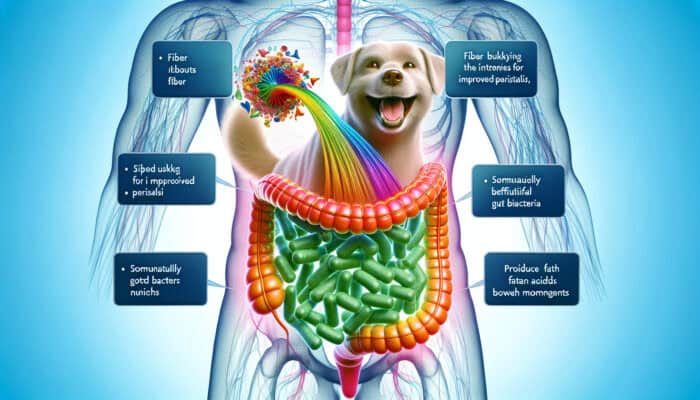
Fiber promotes pet digestion through mechanical and biological processes. Mechanically, fiber contributes to bulk within the digestive tract, encouraging smoother and more efficient bowel movements. This increased bulk stimulates intestinal muscles, fostering healthy peristalsis that ensures food progresses seamlessly through the digestive system. Biologically, fiber functions as a prebiotic, nourishing beneficial gut bacteria that produce short-chain fatty acids, further enhancing digestive health. Pet owners can assess improvements by monitoring their pets' bowel movements and overall vitality after introducing fiber into their diets.
What Factors Influence Fiber's Effectiveness in Pet Diets?
Several factors can affect the efficacy of fiber in a pet's diet, including the overall composition of their meals, age, and health status. The type of fiber—soluble versus insoluble—plays a significant role as well. Soluble fiber, found in foods like oats and apples, dissolves in water and aids in regulating blood sugar levels. Conversely, insoluble fiber, present in whole grains and vegetables, adds bulk and assists in preventing constipation. Senior pets might require specific types of fiber to address particular digestive needs, while those with health conditions may benefit from tailored fiber sources. Consulting with veterinarians can help pet owners create effective fiber strategies for optimal results.
How Can You Recognise Signs of Improved Digestion in Your Pet?
Identifying signs that fiber positively impacts your pet's health involves assessing indicators such as changes in bowel movements, appetite, and energy levels. Consistent, healthy bowel movements serve as the clearest signs of improved digestion, while increased energy and an overall sense of well-being reflect enhanced nutrient absorption and gut health. Pet owners should stay vigilant for any signs of discomfort, such as bloating or gas, which may point to dietary imbalances. Maintaining a balanced approach to fiber intake is essential for preventing digestive issues and encouraging lasting health benefits.
Expert Insights on Fiber-Dense Foods for Optimal Pet Digestion
What Key Considerations Should You Bear in Mind When Selecting Fiber for Your Pet?
When choosing fiber sources for pets, it is crucial to prioritise quality and safety. Opting for high-quality, natural fiber-rich foods is essential, as processed alternatives may contain additives that could adversely affect health. Foods such as green beans, sweet potatoes, and psyllium husk are excellent choices known for their benefits in enhancing digestion. Insights from pet nutrition experts emphasise the importance of incorporating a variety of fiber sources to achieve balanced diets. By focusing on high-quality ingredients, pet owners can ensure their pets receive maximum health benefits from their meals.
What Characteristics Make Certain Foods Exceptional Fiber Sources?
Evaluating fiber-rich options requires an understanding of the nutritional profiles of various foods. Ideal fiber sources should be high in fiber while remaining low in calories and containing essential vitamins and minerals. Foods like pumpkin, carrots, and brown rice provide beneficial fiber along with necessary nutrients for overall health. Pet owners should consider their pets' specific needs, including any allergies or sensitivities, when selecting fiber sources. Evidence-based criteria, such as the content of soluble versus insoluble fiber and food digestibility, can guide selection to optimise health outcomes.
Effective Strategies for Daily Fiber Integration in Pet Diets
Incorporating fiber into daily pet meals can be accomplished through various strategies that ensure both consistency and enjoyment. One effective approach is to create a weekly meal plan that incorporates different fiber sources, preventing dietary monotony while providing a broad range of nutrients. Pet owners can also explore preparing homemade treats with fiber-rich ingredients to help meet their pets' daily fiber requirements. By focusing on long-term benefits and implementing gradual changes, pet owners can cultivate healthier eating habits that support improved digestion and overall well-being.
What Foods Are High in Fiber for Pets?
Identifying Popular High-Fiber Choices for Your Pets
A multitude of everyday foods serves as excellent fiber sources for pets. Notable options include pumpkin, which is abundant in soluble fiber, and carrots, which provide both fiber and essential vitamins. Sweet potatoes and green beans also make great additions that promote digestive health while providing additional nutrients. Preparing these fiber-rich options is straightforward; for instance, steaming vegetables or baking sweet potatoes preserves their fiber content. Pet owners should gradually introduce any added fiber to prevent gastrointestinal upset and help their pets adjust smoothly.
How Can You Achieve a Balanced Fiber Intake in Your Pet's Meals?
Ensuring a balanced fiber intake involves understanding its role in pet nutrition and closely monitoring consumption levels. It is crucial to avoid overwhelming pets with fiber, as excessive amounts may lead to health complications such as gas, diarrhoea, or constipation. A well-rounded diet should encompass a balanced mix of fiber, protein, fat, and other essential nutrients. Pet owners can follow preparation tips, such as combining high-fiber foods with protein sources and ensuring that fiber constitutes only a portion of a balanced diet. This method preserves nutritional value in meals while preventing digestive overload.
- Gradually introduce new fiber sources.
- Mix fiber-rich ingredients with protein sources.
- Ensure a variety of fiber types.
- Monitor your pet's response to dietary changes.
By maintaining a balanced approach, pets can enjoy the benefits of fiber without risking the complications associated with excessive intake.
What Risks Are Associated with Overconsumption of Fiber?
Despite its many benefits, excessive fiber consumption in pets can lead to complications such as digestive distress and blockages. Overindulging in fiber can result in symptoms such as diarrhoea, cramping, or significant discomfort. To mitigate these risks, pet owners should adhere to recommended serving sizes and gradually increase fiber intake to help pets adjust properly. Staying alert for adverse reactions is essential, as each pet's tolerance can vary. If signs of distress emerge, temporarily reducing fiber intake can assist in restoring digestive balance and comfort.
Which Vegetables and Fruits Serve as Safe Fiber Sources for Pets?
Vegetables and fruits represent excellent sources of fiber that are both safe and advantageous for pets. Choices such as carrots, green beans, and apples not only deliver high fibre content but also provide vital nutrients that support the immune system and enhance digestion. For example, the soluble fiber in apples aids in regulating blood sugar levels while offering antioxidants. Simple preparation methods can maximise their benefits; for instance, raw carrots can be cut into bite-sized pieces for easy consumption, while apples can be sliced and served as healthy snacks. Ensuring a variety of these fiber sources can keep pets engaged and contribute to a healthy, balanced diet.
Research-Backed Benefits of Fiber-Dense Foods for Your Pet's Digestion
What Do Recent Studies Reveal About Fiber and Digestion?
Research consistently highlights the advantages of fiber for pet digestion. Numerous studies have shown that diets rich in fiber can improve bowel regularity and reduce the risk of gastrointestinal disorders. By understanding these critical findings, pet owners can effectively enhance their pets' diets. For example, incorporating fiber-rich foods not only bolsters digestive health but also elevates the quality of life by minimising discomfort and optimising nutrient absorption. Pet owners should assess current dietary practices and contemplate adding more fiber-rich options to support noticeable improvements in health.
What Are the Long-Term Health Benefits of Including Fiber?
The long-term advantages of integrating fiber into pet diets significantly outweigh any initial adjustments. Fiber fosters sustained health benefits, including enhanced immunity, improved weight management, and a diminished risk of chronic diseases. Expert opinions underscore a proactive approach to pet care, highlighting the importance of consistently incorporating fiber to help pets maintain optimal health as they age. Strategies for including fiber could involve regular dietary assessments with veterinarians to ensure that fiber needs are being met and customised to each pet's evolving requirements.
How Does Fiber Promote Gut Balance in Pets?
Fiber plays a crucial role in supporting digestive health, primarily through its prebiotic effects that help maintain a healthy gut microbiome. A varied intake of fiber encourages microbial diversity, which is vital for various digestive functions, including nutrient absorption and immune support. Expert analysis suggests that a balanced gut microbiome can avert issues such as inflammation and gastrointestinal diseases in pets. To maximise these benefits, pet owners should ensure their pets consume a wide variety of fiber sources, thereby promoting gut balance and overall health.
What Impact Does Fiber Have on Your Pet's Microbiome?
Research indicates that fiber-rich foods greatly enhance the gut microbiome in pets by promoting microbial diversity and functionality. Beneficial bacteria thrive on fiber, producing short-chain fatty acids that contribute to gut health and improve digestion. Practical recommendations for pet owners include incorporating various fiber sources, such as chicory root and beet pulp, which support the proliferation of beneficial bacteria. By prioritising fiber in their pets' diets, owners can foster a healthier gut environment, leading to improved overall health and well-being.
What Practical Tips Can You Use to Add Fiber to Your Pet's Diet?
Effectively including fiber-rich foods in pets' diets requires careful planning and portion control. Pet owners should begin by choosing high-quality, natural fiber sources and gradually introducing them to ensure that pets can manage the transition. Suggested portion guidelines may vary based on the pet's size and dietary needs, but a balanced approach remains essential. Monitoring pets' responses is critical; observing signs of improved digestion can inform adjustments to fiber quantities and types. By employing these evidence-based strategies, pet owners can ensure their pets enjoy the long-term benefits of fiber while minimising potential risks.
Why Opt for Natural Fiber Sources in Your Pet's Diet?
What Advantages Do Whole Foods Offer Over Processed Alternatives?
Natural fiber sources deliver unique benefits compared to processed options, primarily due to their whole characteristics and nutrient density. Whole foods like fruits, vegetables, and whole grains not only contain fiber but also encompass vital vitamins, minerals, and antioxidants that enhance overall health. These nutrient-rich profiles promote digestive health and offer additional wellness advantages, in contrast to processed foods that may include additives compromising nutritional value. By emphasising whole foods in pet diets, owners can foster better digestion and overall vitality for their pets.
How Can You Source Quality Fiber Options for Your Pet?
Identifying high-quality fiber foods necessitates that pet owners focus on sourcing reliable options. This involves diligently checking labels for purity, selecting fresh produce, and avoiding products containing artificial ingredients. A good practice is to choose organic or locally sourced items whenever possible to minimise exposure to chemicals. Evaluating nutritional content and fiber types also assists in making informed choices, supporting the selection of whole, natural ingredients. Making educated decisions regarding fiber sources will enhance pets' health outcomes and improve their digestive well-being.
How Does Fiber Affect Your Pet's Energy Levels?
Natural fiber has a significant impact on a pet's energy levels and overall vitality. By promoting healthy digestion and ensuring effective nutrient absorption, fiber-rich diets enable increased energy availability for pets. Observing changes in pets' activity levels after incorporating fiber can provide valuable insights into their overall health. Energy fluctuations are closely tied to diet, making it essential for pet owners to monitor their pets' behaviours and adjust feeding schedules as needed. By optimising fiber intake, pet owners can help sustain their pets' energy levels and support active lifestyles.
Strategies for Effectively Integrating Fiber into Your Pet's Meals
What Are the Recommended Daily Fiber Amounts for Pets?
The recommended daily fiber intake varies based on a pet's size, age, and health needs. As a general guideline, it is advisable to provide approximately 2-5% of a pet’s diet as fiber, adjusting as necessary to meet individual requirements. To enhance meals, pet owners can incorporate ideas such as mixing cooked pumpkin into dog food or adding mashed peas to a cat’s diet. Finding the right balance is essential for achieving optimal health outcomes, so gradual adjustments can help pets adapt comfortably to increased fiber intake.
- Include a variety of fruits and vegetables.
- Use pureed or cooked forms to facilitate digestion.
- Adjust portions according to the pet's size.
- Monitor any changes in digestion.
By tailoring fiber intake to specific needs, pet owners can help ensure their pets remain healthy and energetic.
What Signs Indicate a Dietary Imbalance Associated with Fiber Intake?
Recognising signs of dietary imbalance related to fiber intake requires careful observation of pets for symptoms such as gastrointestinal distress, changes in appetite, or unusual lethargy. If pets display discomfort or irregular bowel movements, it may suggest their diet contains either too much or too little fiber. Adjustments might involve temporarily reducing high-fiber foods or consulting a veterinarian for alternative recommendations. By staying attentive to their pets' needs and behaviours, owners can make informed dietary decisions that nurture healthy digestion.
What Are Some Recipes for Fiber-Dense Meals for Pets?
Creating fiber-rich meals for pets can be both simple and enjoyable. An adaptable recipe for dogs involves combining cooked quinoa with diced carrots, peas, and a small portion of chicken. This mixture provides a significant fiber boost while making mealtime more delightful. For cats, a recipe featuring pureed pumpkin blended with a small amount of tuna ensures both fiber and protein, resulting in balanced and appetising meals. Emphasising variety and ease of preparation keeps mealtime engaging while satisfying pets' fiber needs.
Frequently Asked Questions
What Are Common Fiber-Rich Foods for Pets?
Common fibre-rich foods for pets include various fruits, vegetables, and whole grains that promote healthy digestion, such as pumpkin, sweet potatoes, and brown rice.
How Does Fiber Benefit Pet Digestion?
Fiber improves digestion by adding bulk to the stool, promoting regular bowel movements, and acting as a prebiotic for beneficial gut bacteria.
Can Excess Fiber Harm My Pet?
Indeed, excessive fiber can lead to digestive complications, including diarrhoea, gas, or blockages. Always introduce fiber gradually to prevent these issues.
What Signs Indicate My Pet Needs More Fiber?
Indicators may include irregular bowel movements, constipation, or increased appetite without corresponding weight gain, suggesting a need for dietary adjustments.
How Can I Introduce Fiber into My Pet's Diet Effectively?
Begin by gradually incorporating small amounts of fiber-rich foods, such as pumpkin or carrots, into their regular meals to facilitate adaptation.
Are There Specific Fiber Sources for Different Pets?
Yes, various pets may thrive on different fiber sources; for instance, dogs typically benefit from vegetables, while cats may require more soluble fiber from fruits.
What Is the Recommended Fiber Intake for Pets?
The general guideline is 2-5% of a pet's daily diet, adjusted based on individual needs and health considerations.
Can Kittens and Puppies Consume Fiber-Rich Foods?
Yes, but it should be in moderation and appropriate for their developmental stage; consult your veterinarian for tailored recommendations.
What Types of Fruits and Vegetables Are Best for Pets?
Safe options include carrots, apples, green beans, and blueberries, all of which provide beneficial fiber and nutrients.
How Can I Monitor My Pet's Digestion After Increasing Fiber Intake?
Keep track of bowel movements, appetite, and energy levels to evaluate how well your pet is adjusting to the increased fiber in their diet.
Connect with us on Facebook today!
The Article Fiber-Rich Foods for Pet Digestion: Key Benefits First Published On https://elgatoencasa.com
The Article Fiber-Rich Foods: Essential Benefits for Pet Digestion Was Found On https://limitsofstrategy.com