Master Packing Techniques for Safeguarding Fragile Items During Transport
The cornerstone of successfully packing fragile items for clearance is the careful selection of appropriate packing materials. Choosing the right tools and techniques is essential, as even the most resilient items can sustain damage during transit without proper protection. Therefore, acquiring knowledge about selecting high-quality boxes, optimally utilising bubble wrap, and understanding the role of packing peanuts can dramatically enhance the safety of your belongings. By dedicating time to learn about these packing materials, you can significantly improve the protection of your items, ensuring they arrive at their destination intact, thereby preserving their value and integrity.
How to Select the Most Effective Cardboard Boxes for Safe Transport
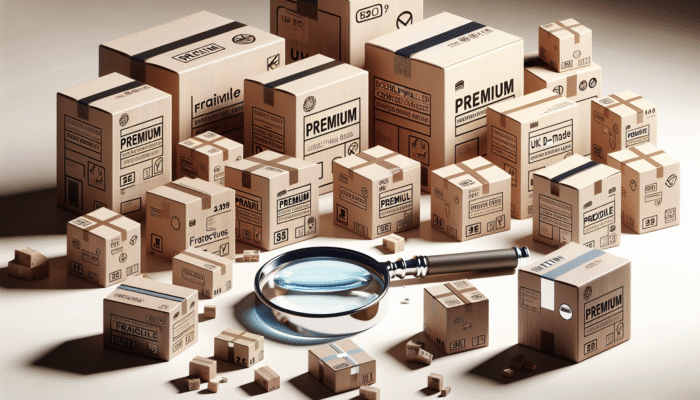
Not all cardboard boxes offer the same degree of protection, particularly when it comes to transporting fragile belongings. It is imperative to choose sturdy boxes that can adequately support the weight of delicate items, as this is essential for safeguarding your possessions. For added durability, consider opting for double-walled boxes, which provide superior strength in comparison to single-walled options. If you are located in the UK, there are numerous local suppliers that offer a wide range of boxes specifically designed for moving fragile items. When assessing the quality of the boxes, inspect them for any tears, dents, or signs of prior use, as these imperfections can compromise their structural integrity and lead to potential risks during transport.
Additionally, selecting the appropriate box size is of equal importance; oversized boxes can increase the likelihood of items shifting during transit, heightening the risk of damage. Smaller boxes tend to be more manageable and stackable, making them particularly advantageous when loading a van or vehicle for clearance. Furthermore, it is advisable to reinforce the bottom of each box with robust packing tape to prevent collapse under weight, ensuring your fragile items remain secure throughout the moving process.
Utilising Expert Bubble Wrap Techniques for Enhanced Protection
Bubble wrap has become synonymous with careful packing, and its reputation is well-deserved. The unique cushioning properties of bubble wrap make it an excellent choice for protecting delicate items from potential damage. When employing bubble wrap, it is crucial to wrap each fragile item individually, ensuring that every surface is covered with a minimum of two layers. This is particularly vital for items such as glassware and <a href="https://limitsofstrategy.com/packing-fragile-items-for-clearance-a-quick-guide/">ceramics</a>, which are especially susceptible to breakage during transit. By adopting this method, you can significantly decrease the chances of damage occurring while in transit.
It is important to avoid rushing the wrapping process. Take your time to smooth out the bubble wrap and secure it with tape, ensuring it remains intact throughout the journey. Some people prefer to place a layer of bubble wrap at the bottom of the box before adding items, creating an additional cushion against shocks during transit. This initial line of defence is essential for fragile items, providing extra protection against unforeseen jolts or bumps along the way. By applying these careful techniques, you can ensure your belongings are well-protected and secure during the moving process.
The Essential Role of Packing Peanuts in Cushioning Fragile Items
Packing peanuts are a crucial element of the packing process, offering vital cushioning for fragile items during transport. Once you have securely wrapped your items, it is important to fill any empty spaces within the box with packing peanuts to prevent movement during transportation. These peanuts not only serve as a buffer against shocks but also assist in absorbing vibrations, which can be detrimental to fragile belongings. By effectively utilising packing peanuts, you can create a protective environment for your items.
A common oversight is neglecting to fill gaps around items, which can lead to shifting during transport and jeopardise the integrity of the contents. When deploying packing peanuts, ensure they are evenly distributed around the items to create a snug fit. In the UK, biodegradable options are available, providing a responsible choice that supports eco-friendly practices while ensuring your packing approach remains conscientious and sustainable.
Thoroughly Preparing Your Fragile Items Before Packing
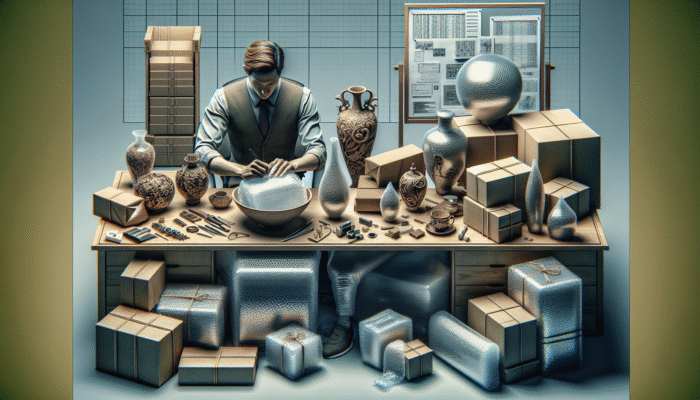
The preparation of your fragile items for packing is equally as important as selecting the right packing materials. Proper preparation is key to ensuring that your belongings can withstand the challenges of transit, especially during clearance, where handling may not always be gentle. Taking the time to clean, disassemble, and label your items can significantly mitigate the risks associated with moving delicate objects. By adhering to these steps, you can bolster the safety and protection of your items throughout the moving process.
Ensuring Thorough Cleaning and Drying of Items Before Packing
Before packing, it is essential to ensure that your items are entirely clean and completely dry. Any moisture can lead to mould growth and damage, particularly for ceramics and wooden items. Dust, dirt, or residues can also scratch surfaces, resulting in irreversible damage during transit. By prioritising cleanliness, you can safeguard your items from potential harm and maintain their condition.
Make use of appropriate cleaning solutions tailored to various materials—from gentle soap for glass and ceramics to suitable wood cleaners. After cleaning, allow each item to dry thoroughly; this is especially crucial for any items that have been washed. Even a small amount of moisture trapped during packing can lead to damage during transport. If you are packing items like vases or bowls, double-check to ensure they are completely dry inside and out to avoid any undesirable surprises that could arise during transit.
Efficiently Disassembling Larger Items for Packing Efficiency
Larger items can pose significant challenges during packing, making disassembly a highly effective strategy. By taking apart larger belongings, you reduce their size, making them easier to pack and lowering the likelihood of sustaining damage. For instance, if you have a delicate lamp, removing the shade and base can help mitigate the risk of breakage during transit. This proactive approach ensures that your items are better protected throughout the moving process.
While disassembling, keep track of all small components, such as screws or fittings, by placing them in clearly labelled bags. This not only prevents loss but also streamlines the reassembly process at your new location. In the UK, many individuals find it beneficial to photograph the assembly process before disassembling; this provides a handy visual reference when it’s time to reassemble everything, ensuring a smooth transition into your new space and allowing for a hassle-free setup.
Strategically Labelling Fragile Items for Safe Handling
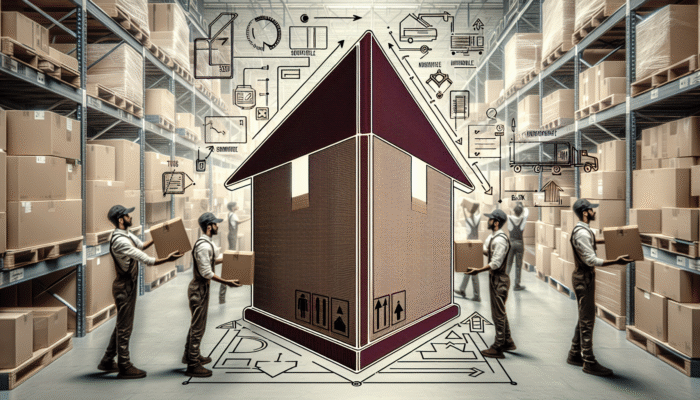
Labelling is a frequently overlooked yet critical aspect of packing fragile items. A clearly marked label indicating that the contents are fragile can significantly reduce the risk of mishandling during transit. Use large, bold letters that are easy to read and consider using bright colours to attract attention and convey the importance of careful handling to those transporting your items.
In addition to indicating fragility, labelling can also provide handling instructions, such as “This Side Up” or “Handle with Care.” In a bustling clearance environment, these labels serve as visual alerts, guiding handlers on how to treat the boxes with care. By dedicating a little time to proper labelling, you can greatly enhance the protection of your fragile belongings and ensure they receive the careful attention they require throughout transit.
Implementing Proven Packing Techniques for Secure Glassware Transport
Glassware, renowned for its elegant appearance, is often the most vulnerable to damage during transit. Therefore, employing specialised packing techniques is essential to ensure that each piece arrives at its destination intact. The right methods can transform a daunting task into a manageable process, allowing you to protect your valuable glass items effectively and with confidence.
Individually Wrapping Each Glassware Piece with Precision
When it comes to glassware, individual wrapping is indispensable. Each piece should be enveloped in multiple layers of bubble wrap or packing paper, providing a soft cushion against impact. The key is to cover every inch thoroughly, paying particular attention to fragile areas, such as stems or handles, to minimise the risk of damage during transit.
As you wrap, be careful to secure the wrapping with tape to ensure it remains intact throughout the journey. Once wrapped, consider placing a piece of cardboard between delicate items to create an additional layer of protection. This way, if one item shifts or jolts within the box, it won’t directly impact another piece of glassware, safeguarding all of your items during transport and ensuring they reach their destination safely.
Thoughtfully Arranging Glassware Within the Box for Maximum Safety
The arrangement of glassware within the box is equally critical to ensuring safe transport. Position wrapped glassware upright rather than lying flat, as this orientation diminishes the likelihood of breakage. Group similar items together—such as wine glasses or tumblers—while ensuring they are snugly packed to prevent movement during the journey.
Avoid overcrowding the box. While it’s tempting to maximise space, tight packing can lead to breakage if items are compressed against one another. If there’s extra space in the box after placing your glassware, fill it with packing peanuts or crumpled paper to create a firm barrier that absorbs any shocks or jolts during transit. This careful arrangement can significantly enhance the protection of your glass items and help you maintain their pristine condition.
Securing the Box Properly for Comprehensive Protection
Once your glassware is securely arranged inside the box, sealing it correctly is the final step in protecting these delicate items. Utilise strong packing tape to seal all seams and reinforce the bottom of the box. Investing in high-quality tape that won’t easily tear is a worthwhile decision, as this will withstand the demands of transport and help keep your items safe and secure.
For added security, consider using a label indicating that the box contains fragile items. This will alert anyone handling the box to exercise caution, further safeguarding your glassware during clearance. By taking these additional measures, you can ensure that your precious glass items arrive safely at their intended destination, giving you peace of mind throughout the process.
Best Practices for Safeguarding Electronics During Transit
Electronics, often expensive and delicate, necessitate careful packing to ensure their protection during clearance. Whether relocating to a new home or sending items for clearance, employing the right packing techniques can safeguard your valuable devices from potential damage. By adhering to these best practices, you can ensure that your electronics remain secure and intact throughout transit.
Maximising Protection by Utilising Original Packaging
Whenever feasible, utilise the original packaging for your electronics. This packaging is specifically designed to provide the best protection for each item, allowing them to fit snugly with built-in cushioning. If you still possess the original boxes for your electronics, such as TVs, laptops, or sound systems, this represents the ideal option for packing, ensuring that your devices are well-protected against any potential impact during transportation.
If the original packaging isn’t accessible, search for high-quality boxes that replicate the support offered by the originals. Ensure these boxes are robust enough to withstand the rigours of transit. In the UK, many retailers provide protective packing materials specifically designed for electronics, making it easier to ensure your devices are well-protected during the moving process and arrive in pristine condition.
Implementing Precautions for Screens and Displays
Screens and displays are particularly vulnerable to scratches and cracks during transit, necessitating additional precautions. Whenever possible, use screen protectors, as they provide an extra layer of defence against scratches and impacts. For larger screens, consider utilising foam or bubble wrap specifically designed for screens, ensuring that the display is adequately cushioned on all sides.
During packing, wrap screens in multiple layers of bubble wrap, securing them tightly but not excessively to avoid damage. Place protective padding around the item to ensure it is well-cushioned on all sides. This meticulous attention to detail can significantly enhance the likelihood of your electronics arriving in pristine condition, avoiding costly repairs or replacements and ensuring your peace of mind.
Organising Cables and Accessories for Safe Transport
Never underestimate the importance of securely packing cables and accessories alongside your electronics. These items can pose a risk of damage if they are loose within the box, leading to scratches or even breakage of the main device. Employ cable ties or baggies to keep cords organised and tangle-free, reducing the likelihood of damage occurring during transit and ensuring that everything is easily accessible.
When packing, ensure these accessories are placed in separate compartments or alongside the main electronics in a manner that prevents them from shifting. This precaution reduces the risk of damage from movement during transport. In the UK, consider using labelled bags to keep all components together; this will streamline the unpacking process at your destination and ensure that you can easily locate all necessary items when setting up your electronics in your new home.
Selecting Appropriate Box Sizes for Electronics Transport
Choosing the right box size for electronics is crucial. A box that is too large can permit movement, while one that is too small may lead to compression and damage. Ideally, select a box that fits snugly around the electronic item, allowing just enough space for padding without excessive empty areas that could lead to shifting during transport.
Reinforce the box with packing tape to ensure it remains intact during transit. If you’re shipping items, consider using boxes specifically designed for shipping electronics; these often feature added cushioning and protection attributes that can further assist in securing your items. This attention to detail can prove invaluable when dealing with delicate electronics, ensuring they arrive safely at their destination.
Protecting Artwork and Mirrors during Transport: Essential Techniques
Artwork and mirrors often hold irreplaceable sentimental value as well as monetary worth, which makes the use of specific techniques for their safe transport essential. From corner protectors to the right wrapping materials, every detail is significant in ensuring these items arrive undamaged. By adhering to best practices, you can effectively safeguard your valuable artwork and mirrors.
Utilising Corner Protectors for Vulnerable Edges of Artwork
Corner protectors are crucial for safeguarding the most vulnerable areas of artwork and mirrors. These protective devices are designed to absorb shocks and prevent damage to edges and corners during handling. When packing artwork, do not overlook this vital step; even a single impact can lead to irreversible damage and detract from the value of your pieces.
In the UK, corner protectors are readily available and come in various materials, from cardboard to foam. Choose a protector that suits your specific item, ensuring that it fits snugly. Secure the corner protectors with tape to prevent them from shifting during transit, thereby providing an extra layer of assurance against potential damage that could occur during handling.
Wrapping Artwork with Acid-Free Paper for Optimal Preservation
To safeguard artwork and mirrors from discolouration and damage, utilise acid-free paper for wrapping. This type of paper is specifically designed to prevent chemical reactions that could adversely affect the materials. Avoid using newspaper, as the ink can transfer and stain delicate surfaces over time, potentially ruining your valuable pieces.
Gently but securely wrap the artwork or mirror, ensuring that every surface is covered. If it’s a particularly large piece, consider using multiple sheets of acid-free paper for adequate protection. Once wrapped, secure the paper in place with tape, being cautious not to tape directly onto the surface of the artwork. This careful approach can help preserve your pieces for years to come, allowing you to enjoy them without worry.
Selecting the Correct Box Size for Artwork Transport
When choosing a box for artwork or mirrors, ensure it fits snugly around the item. A box that is oversized can lead to shifting and potential damage, whereas one that is too small can compress the item and result in breakage. Many UK suppliers offer boxes specifically designed for transporting artwork, which can be invaluable for ensuring your items stay safe during transit.
Lining the inside of the box with additional padding, such as bubble wrap or foam, creates a soft environment for your items. This added layer will absorb impact and vibrations during transit, ensuring that your artwork arrives safely at its destination. Taking these extra precautions is essential for protecting your delicate pieces, enabling you to enjoy your artwork for years to come without concern.
Strategic Packing Techniques for Ceramics and Pottery Preservation
Packing ceramics and pottery requires a thoughtful approach, as these items are often both fragile and valuable. The right techniques can provide the necessary protection to ensure they withstand the challenges of clearance and arrive intact at their destination. By following expert packing strategies, you can safeguard your ceramics effectively and ensure their safe journey.
Implementing Double Boxing for Enhanced Security of Ceramics
Double boxing is an effective strategy for providing that extra layer of security for ceramics and pottery. Begin by wrapping the item in bubble wrap, then placing it into a smaller box. Seal this box securely before placing it into a larger box, filling any gaps with packing peanuts or crumpled paper to prevent movement during transit.
This method serves to absorb shocks and impacts that may occur during transport, significantly reducing the risk of breakage. In the UK, double boxing is a common practice among those who regularly transport delicate items, ensuring peace of mind throughout the clearance process and effectively protecting valuable ceramics and pottery.
Utilising Foam Inserts for Secure Packing of Ceramics
Foam inserts can be tailored to fit around ceramics and pottery, providing a snug and protective fit. These inserts effectively cushion the items, preventing movement and absorbing shocks. Many suppliers in the UK offer foam inserts specifically designed for various shapes and sizes of ceramics, simplifying the packing process and enhancing safety during transit.
When using foam inserts, ensure that they completely enclose the item, leaving no space for movement. This meticulous attention to detail can mean the difference between an intact item and a shattered piece upon arrival. If bespoke inserts are unavailable, consider using layers of bubble wrap as an alternative to provide adequate cushioning and protection for your ceramics during transport.
Maintaining Even Weight Distribution in Your Packing
Even weight distribution within the box is essential to prevent damage during transport. When packing ceramics and pottery, be conscious of how you arrange items within the box. Avoid placing heavy items on top of delicate ones, as this can lead to breakage and compromise the integrity of your belongings.
Instead, distribute weight evenly by placing heavier items at the bottom of the box and layering lighter ones on top. This approach not only maximises protection but also makes the box easier to handle. Taking the time to ensure proper weight distribution can save you from unnecessary heartache during the clearance process, allowing you to transport your ceramics with confidence and peace of mind.
Utilising Bubble Wrap and Packing Peanuts for Optimal Protection
Bubble wrap and packing peanuts are your best allies when it comes to packing ceramics and pottery. Start by wrapping each piece in multiple layers of bubble wrap, ensuring that every surface is cushioned effectively. This step is crucial, particularly for items with intricate designs that could be easily damaged during transit.
After wrapping, place the items into the box, filling any remaining spaces with packing peanuts. This will prevent movement during transport and absorb any shocks encountered along the way. When executed correctly, these techniques will ensure your ceramics and pottery arrive safely, allowing you to breathe easy throughout the clearance process and enjoy your cherished items without worry.
Commonly Asked Questions About Packing Fragile Items Answered
What are the best materials for effectively packing fragile items?
Sturdy cardboard boxes, bubble wrap, packing peanuts, and acid-free paper are essential materials for effectively packing fragile items. Each serves a unique purpose, ensuring items are cushioned and protected throughout transit, minimising the risk of damage along the way.
How can I determine if a box is sturdy enough for my fragile items?
Look for double-walled boxes or those specifically designed for moving fragile items. Check for any signs of wear, such as tears or dents, which may compromise their strength and integrity during transport, ensuring your items stay secure throughout their journey.
Is it advisable to pack glassware with other items during transit?
It is best to pack glassware separately to avoid any potential damage. If you must pack them together, ensure they are well-separated and adequately cushioned to minimise the risk of breakage during the journey.
What is the most effective way to label fragile items for safe transport?
Utilise bold, clear labels indicating “Fragile” along with any other handling instructions. Bright colours can also help draw attention to the labels, ensuring they are noticed during transit and prompting careful handling by those responsible for transporting your items.
Is double boxing recommended for ceramics and pottery?
Double boxing provides an extra layer of security and is highly recommended for ceramics, as it absorbs shocks during transit and significantly reduces the risk of damage, effectively protecting your valuable items.
How can I prevent my electronics from sustaining damage during transport?
Always use original packaging when possible, wrap screens with protective materials, and secure cables appropriately. Additionally, selecting the right box size is vital to prevent movement and potential damage to your electronics during transit.
Is it acceptable to use newspapers for wrapping fragile items during packing?
It is advisable to avoid using newspaper as the ink can transfer and cause staining. Instead, opt for bubble wrap or packing paper specifically designed for moving fragile items to ensure safe and effective packing.
What should I do if I don’t have the original packaging for my electronics?
Look for high-quality boxes designed for electronics, ensuring they provide adequate cushioning and protection. Use bubble wrap and foam inserts for additional safety of your devices during transit, ensuring they arrive in excellent condition.
How can I safely pack artwork for transport without damage?
Utilise corner protectors, wrap in acid-free paper, and choose the proper box size for transport. Each of these measures will help protect your artwork from potential damage and ensure it arrives safely at its destination.
What is the best method for preventing movement within the box during transit?
Fill any empty spaces with packing peanuts or crumpled paper to create a snug fit. This strategy prevents items from shifting during transit and protects them from potential damage, ensuring a successful packing experience.
Join our community on Facebook for more expert packing tips!
The Article: Packing Fragile Items Easily for Clearance: A Simple Guide Was First Found At https://birminghamhouseclearance.com
The Article Packing Fragile Items for Clearance: An Easy Guide Was Found On https://limitsofstrategy.com