Travertine floors radiate timeless elegance and refined sophistication, making them a preferred choice for discerning homeowners who appreciate beauty and quality. However, employing inappropriate cleaning methods can lead to irreversible harm. If you're situated in Kingston-upon-Thames and are considering using a steam cleaner on your stone floors, pause right there. This cleaning method, seemingly innocuous, may result in hidden damages that could incur significant repair costs. In this comprehensive guide, we will explore the detrimental effects of steam cleaning travertine, share localised tips for effective floor maintenance, and suggest safe alternatives to ensure your floors remain in pristine condition.
Explore the Unique Characteristics and Benefits of Travertine Flooring
Travertine is a distinctive type of limestone that forms from mineral deposits in hot springs, giving it a unique beauty. Its porous nature and softer texture, especially when compared to granite, enhance its natural, earthy aesthetic, elevating the elegance of any living space. However, this porosity also makes the stone susceptible to absorbing water, cleaning solutions, and dirt, highlighting the importance of meticulous care. By gaining an understanding of the unique characteristics of your travertine flooring, you can ensure it remains visually striking and functional for many years ahead.
Travertine is available in a variety of finishes, each significantly impacting its appearance and maintenance requirements:
- Honed: This finish offers a smooth, matte surface that is highly desired for flooring due to its understated elegance.
- Polished: This glossy, reflective finish is ideal for those wishing to add a touch of glamour and sophistication to their interiors.
- Tumbled or Brushed: This option provides a rustic look with textured surfaces, creating a more natural ambiance in any room.
It is crucial to identify the specific type of travertine you possess before initiating any cleaning regimen, as each finish reacts differently to moisture, heat, and physical pressure. Understanding these factors will empower you to select the most suitable cleaning methods that preserve your travertine's beauty and longevity.
Realise the Potential Dangers of Steam Cleaning Your Travertine Flooring
In summary: Employing a steam cleaner on travertine floors is highly discouraged.
Understand How Heat and Moisture Can Compromise the Structure of Travertine
Steam cleaners release high-temperature vapour onto surfaces, and due to the porous nature of travertine, this can lead to:
- Steam being absorbed into the stone, potentially causing significant internal damage
- Long-term weakening or loosening of the stone’s structural integrity, thus compromising its durability
- Surface etching or dullness that detracts from the natural beauty of the stone
Investigate the Impact of Steam on Protective Sealants
It is essential to safeguard travertine flooring with a high-quality sealant. However, steam can:
- Penetrate and degrade the sealant prematurely, rendering the stone vulnerable to stains and damage
- Cause microfractures within the stone, which can exacerbate over time
- Lead to unsightly water marks and hazing on the finish, reducing the aesthetic appeal of your flooring
 Explore How Steam Can Inadvertently Trap Dirt Within Travertine’s Pores
While steam may initially help to loosen dirt, without proper extraction, it may inadvertently push grime deeper into the stone, resulting in:
- Gradual discolouration that becomes increasingly apparent over time
- The formation of soils within the stone, which can be particularly challenging to remove

Essential Cleaning Techniques for Maintaining Travertine Floors in Kingston-upon-Thames
 Opt for pH-Neutral Cleaners for Safe and Effective Maintenance
Harsh alkaline or acidic cleaners, such as vinegar or bleach, can severely damage the quality of the stone. Instead, consider:
- Using pH-neutral cleaners specifically formulated for natural stone to ensure safety and effectiveness
- Exploring local brands or UK-imported solutions that guarantee compatibility with your stone surfaces
Clean with a Damp Microfibre Mop for Gentle Yet Effective Maintenance
Avoid overly saturated mops that could harm your travertine. A damp (not wet) microfibre mop effectively cleans the surface without overwhelming it with moisture, ensuring the longevity and aesthetic appeal of your flooring.
Ensure Prompt Drying After Mopping to Safeguard Your Floors
It is crucial to dry travertine floors promptly after mopping to prevent moisture from seeping into the stone. To achieve this, you can use:
- Clean, dry cloths to absorb any excess water
- Floor fans, particularly in areas with inadequate ventilation, to facilitate quicker drying
Re-Seal Your Floors Every 1–2 Years for Optimal Protection
Given the humid climate prevalent in the UK, particularly in older homes in Kingston with limited airflow, the frequency of sealing is critical for maintaining both the structural integrity and visual appeal of your travertine flooring.
Smart Alternatives to Steam Cleaning for Travertine Floors
| Cleaning Method | Is it Safe for Travertine? | Additional Notes |
|---|---|---|
| Dry Dust Mopping | |
Ideal for daily upkeep to keep surfaces looking clean and fresh |
| Damp Mop with pH-Neutral Cleaner | |
Recommended for weekly cleaning to maintain shine and cleanliness |
| Steam Mop | |
Risks damaging the stone’s pores and sealant, which can lead to costly repairs |
| Acidic Solutions (such as Vinegar) | |
Can corrode the stone's surface, resulting in permanent damage |
| Stone-Specific Cleaners | |
Options include LTP Floorshine, LTP Waxwash, Fila Multi Surface Cleaner, and HG natural stone cleaner for a streak-free finish.
Always conduct a spot test first to ensure compatibility with your specific flooring type. |
| Professional Stone Cleaning Services | |
Ideal for deep cleaning and restoration, providing expert care and guidance |
Identifying Signs of Steam Damage on Your Travertine Flooring
- Dull patches or etched areas that detract from the stone's overall beauty and appeal
- White haze or chalky residue indicating moisture-related problems
- Cracking or flaking that compromises the structural integrity of the stone
- Efflorescence, which appears as a white powder due to moisture migration
Discover Local Travertine Care Services in Kingston-upon-Thames
Travertine Care in Kingston-upon-Thames is a specialised service that integrates modern cleaning solutions with the charm of historical architecture. Many residences in this area feature traditional stone floors, and local homeowners, along with property managers, can depend on professional travertine cleaning services offered by Fabritec Tile Cleaning, based in New Malden.
Is Your Travertine Floor Exhibiting Dullness and Grime?
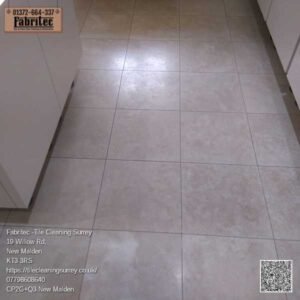
This customer in Kingston-upon-Thames possessed a stunning travertine floor, yet the tiles had lost their original charm following repeated cleaning with a domestic steam cleaner. The tiles became dull, soiled rapidly after cleaning, and absorbed stains like a sponge, greatly diminishing their visual appeal.
Initially, the owner considered replacing the entire floor. Fortunately, they reached out to their local professionals, Fabritec, and thus began the journey of restoration.
Transforming a Travertine Tiled Floor Through Expert Deep Cleaning
The initial step focused on restoring the stone's appearance and structural integrity through a thorough deep cleaning process. Travertine demands more than just a basic wipe-down; effective cleaning involves mechanical abrasion and exacting precision.

- I commenced with a 200-grit pad connected to a rotary floor machine. By employing slow, circular motions, the pad effectively opened the stone's surface, facilitating the removal of deeply embedded dirt and worn finishes. This process generated a substantial amount of slurry—a mixture of water and loosened stone particles—that required thorough rinsing and vacuuming.
- After the initial pass, I advanced through a series of finer grits: 400-grit, 800-grit, and ultimately, 1500-grit. Each stage necessitated multiple passes to gradually refine the stone’s finish and enhance its natural sheen. With each grit level, more slurry was produced and meticulously extracted to ensure a clean, residue-free surface.
- Crucially, this restoration process is entirely mechanical—no chemical strippers were employed, only water. The combination of abrasive pads and dedicated manual effort successfully unveiled the stone’s inherent beauty.
Once the surface was restored to its original splendour, attention was directed towards the grout lines, which were heavily soiled and unresponsive to pad cleaning. As rotary pads cannot effectively reach into recessed grout lines, I utilised specialised equipment designed specifically for thorough cleaning.
Thorough Grout Cleaning: A Crucial Step in the Restoration Process
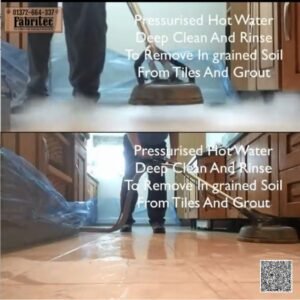
I applied a robust stone-safe cleaner and degreaser, meticulously working it into the surface using a scrubbing machine. This technique effectively breaks down accumulated grime and emulsifies greasy residues lodged in the pores and grout lines. I allowed it to sit for approximately 10 minutes to penetrate and loosen the embedded soil.
Subsequently, I employed our high-pressure hot water rinse and capture system, which blasts hot water deep into the tiles. This process efficiently flushes out grime from both the grout lines and the natural pits in the travertine that scrubbing alone cannot reach.
Thanks to the heat and efficient vacuum extraction, the floor dries remarkably quickly. This rapid drying not only prevents moisture from reabsorbing into the stone but also prepares the surface for sealing sooner—often within an hour.
Sealing Your Travertine Tiled Kitchen Floor for Extended Longevity

The homeowner expressed a desire to maintain a natural aesthetic, leading to the application of a high-quality impregnating sealer specifically designed for polished stone surfaces, ensuring both long-lasting protection and visual appeal.
Common Questions About Steam Cleaning Travertine in Kingston-upon-Thames
What is the Optimal Method to Sanitize Travertine Without Using Steam?
Utilise a diluted pH-neutral cleaner paired with a microfibre cloth for effective sanitation. For a more thorough cleaning, consider hiring a professional service that specialises in stone care.
Is Professional Assistance Necessary for Re-Sealing My Travertine?
Not necessarily. While DIY kits are available, a professional ensures complete coverage and selects the most suitable product for your specific type of flooring, ultimately enhancing its durability.
What Happens If Water Accumulates on Travertine?
Standing water can seep into the stone, resulting in dark patches, weakening the structure, and potentially fostering mould growth, which can be detrimental to your home environment.
Can Travertine Floors Be Buffed After Experiencing Steam Damage?
Yes, minor etching or haziness may be corrected through honing and polishing. It is advisable to consult a stone care expert for optimal results to restore the floor’s original beauty.
Essential Resources for Proper Travertine Care
The article Should You Steam Clean Travertine Floors? A Comprehensive Guide for Homeowners in Kingston-upon-Thames originally appeared on Tile Cleaning Surrey.
The Article Steam Clean Travertine Floors: Essential Guide for Homeowners appeared first on https://fabritec.org
The Article Steam Clean Travertine Floors: A Homeowner’s Essential Guide Was Found On https://limitsofstrategy.com