Discover the Art of Dry-Aging Beef for Exceptional Tenderness and Rich Flavour
What Steps Are Necessary for Successfully Dry-Aging Beef?
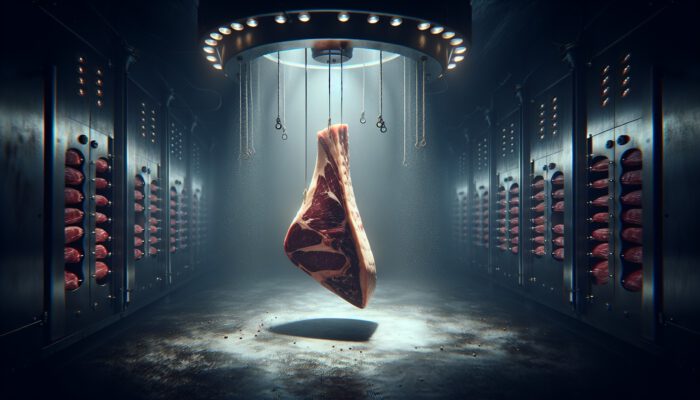
Best Methods for Dry-Aging Beef: Understanding the Technique is an intricate process that involves a carefully controlled environment where the meat is aged over a period that can extend from several weeks to months. This involves managing specific temperature, humidity, and airflow conditions to ensure optimal results. The natural enzymes in the beef play a crucial role in breaking down muscle fibres, leading to remarkable improvements in flavours and tenderness. The moisture loss that occurs during this time, combined with enzymatic activity, is what makes dry-aging so transformative. It is important to dispel prevalent misconceptions about dry-aging, such as:
- It is simply letting meat sit out—true dry-aging requires specific environmental conditions.
- All beef cuts can be dry-aged—only certain cuts are ideal for the best outcomes.
- Dry-aged beef is too expensive—there are surprisingly cost-effective methods for home dry-aging.
- Unusual smells indicate spoilage—certain odours are normal and even beneficial during the aging process.
A Comprehensive Step-by-Step Guide to Mastering Dry-Aging Beef
Your journey into the world of dry-aging begins with selecting prime cuts of beef, such as ribeye or sirloin. After choosing your ideal cut, it must be stored in a meticulously controlled environment that maintains a temperature range of 1-3°C and a humidity level between 80-85%. These optimal conditions promote moisture loss while protecting against spoilage. Regular monitoring of the meat is essential for early detection of any issues that may arise. The science behind dry-aging focuses on moisture reduction, which enriches flavours and enhances texture, resulting in beef that is not just succulent but also bursting with flavour. This guide is invaluable for both home cooks and professional chefs seeking consistent and delicious results.
Unveil the Culinary Advantages of Dry-Aging Beef
Embracing the dry-aging process unlocks numerous benefits that go beyond mere tenderness. This technique significantly enriches the overall flavour profile of the meat, delivering a complex and rich taste sensation. As the beef undergoes aging, enzymes effectively break down proteins, enhancing tenderness and intensifying flavours. Culinary enthusiasts soon discover that dry-aged beef transforms their dining experiences, making it a highly sought-after choice in restaurants worldwide.
How Does Dry-Aging Improve the Quality of Beef?
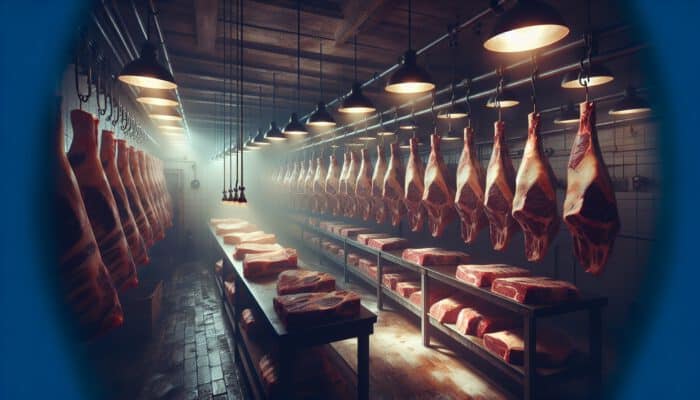
Essential Steps for Successfully Achieving Dry-Aging of Beef
To realise remarkable results in the dry-aging process, several crucial steps must be adhered to. The first step is selecting the right cut of beef, such as ribeye or sirloin, which are known for their suitability in this process. Once you have made your selection, the beef should be placed in an environment that carefully mimics ideal conditions, as temperature, humidity, and airflow are all critical factors for success. Regular inspections of the beef are necessary to ensure there are no unpleasant odours or signs of spoilage. Conducting taste tests at various intervals will provide you with a comprehensive understanding of the aging process, ensuring that you achieve the flavour and texture you desire.
How Does Dry-Aging Alter the Texture of Beef?
The dry-aging process significantly enhances the texture of beef through natural enzymatic actions combined with moisture reduction. As the meat ages, enzymes break down complex muscle proteins into simpler compounds, resulting in improved tenderness. Moreover, the reduction in moisture leads to a firmer, more concentrated texture. This transformation is particularly appealing to those who appreciate high-quality meat, as it offers a superior mouthfeel compared to non-aged cuts. The delightful blend of tenderness and enhanced juiciness establishes dry-aged beef as a culinary masterpiece that is undeniably exceptional.
How to Properly Monitor the Dry-Aging Process for Quality Assurance
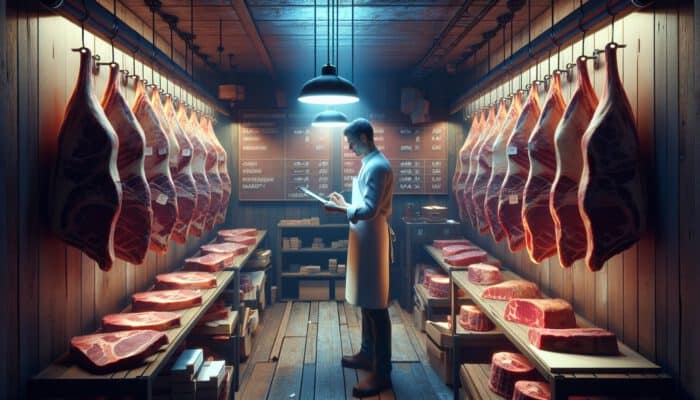
Maintaining vigilance throughout the dry-aging process is essential to ensure quality and prevent spoilage. Regular evaluations should focus on the visual appearance and aroma of the meat. Sensory checks, such as identifying any off-putting odours or examining the surface for mould, are imperative. Simple tools such as a meat thermometer are vital for monitoring temperature, while humidity gauges assist in maintaining optimal environmental conditions. These practices empower you to uphold safety and quality throughout the aging period, ultimately leading to successful outcomes.
How Flavours Evolve and Intensify During the Dry-Aging Process
The role of enzymes in flavour development during dry-aging is pivotal. These enzymes break down proteins and fats, concentrating the inherent flavours while introducing unique nutty and earthy notes to the beef’s taste profile. The result is a more complex and appealing product that elevates a basic cut into an exquisite culinary experience. As the aging process unfolds, flavours become increasingly pronounced, making dry-aged beef a favourite among culinary professionals and enthusiasts alike.
What Are the Optimal Conditions for Effective Dry-Aging of Beef?
Achieving successful dry-aging heavily relies on the precise control of environmental factors. The ideal temperature range for dry-aging is between 1-3°C, while maintaining humidity levels between 80-85% is crucial for supporting enzymatic activity without risking spoilage. Adequate airflow is also vital to prevent moisture from condensing on the meat’s surface. These conditions promote optimal tenderness and flavour, enabling home cooks to achieve results that rival those of professional kitchens.
Expert Recommendations for Best Practices in Dry-Aging Beef
Essential Guidance for Beginners Starting with Dry-Aging
For those embarking on their dry-aging journey, beginning with a smaller cut of beef can make the process less daunting. Choosing a whole ribeye or strip loin is advisable, as these cuts respond exceptionally well to aging. A common mistake is opting for an unsuitable environment; ensure your refrigerator can maintain the necessary temperature and humidity levels. While a dedicated dry-aging fridge is optimal, home setups can also be effective with careful monitoring. Patience is vital, as the dry-aging process typically spans from two to eight weeks to achieve the best results. Learning from seasoned practitioners provides invaluable insights that can help you avoid common pitfalls.
Advanced Techniques to Enhance Your Dry-Aging Skills
Once you have gained confidence in the fundamentals of dry-aging, exploring advanced techniques can further refine your results. One respected method involves using Himalayan salt blocks to intensify flavour and assist with moisture management. Experimenting with different wood chips, such as hickory or mesquite, during the dry-aging process can introduce exciting new flavour profiles. Additionally, utilising a dedicated dry-aging chamber can provide superior control over environmental factors, ensuring consistently exceptional results.
Avoiding Common Mistakes for Successful Dry-Aging
Steering clear of common errors is crucial for achieving successful dry-aging. One frequent oversight is neglecting to monitor environmental conditions, which can lead to spoilage. Another issue involves failing to trim the beef adequately before aging; excess fat may turn rancid. Furthermore, using a non-sterile environment can introduce unwanted bacteria. By learning from these mistakes, you can enrich your dry-aging experience and significantly increase your chances of producing high-quality, flavourful beef.
What Are the Essential Techniques for Successfully Dry-Aging Beef?
What Best Practices Should I Implement for Refrigeration During Dry-Aging?
Implementing effective refrigeration practices is crucial for successful dry-aging. Ensuring consistent airflow around the beef is vital to prevent moisture buildup that could lead to spoilage. Utilise a dedicated fridge or a home setup equipped with a fan to circulate air efficiently. Avoid overcrowding the refrigerator, as this hinders airflow. Regular checks of temperature and humidity levels are necessary to maintain optimal conditions throughout the aging duration.
Which Cuts of Beef Are Most Suitable for Dry-Aging?
Certain beef cuts are particularly favourable for dry-aging, yielding superior flavour and texture. The ribeye stands out for its marbling, which significantly enhances juiciness and flavour throughout the aging process. Other excellent options include strip loin and sirloin. Cuts with higher fat and connective tissue content generally respond better to dry-aging, resulting in tender, flavourful beef that appeals to discerning palates.
How to Effectively Trim and Prepare Beef for Dry-Aging
Before commencing the dry-aging process, proper trimming of the beef is essential. Excess fat on the exterior can become rancid over time, so it is advisable to trim it down to approximately a quarter-inch layer. This allows the beef to breathe during aging without compromising flavour. Key tools for precise trimming include a sharp knife, a cutting board, and a meat thermometer to ensure accurate temperature monitoring. After the aging period, be sure to trim away the outer crust to reveal the perfectly aged meat within.
Research-Backed Benefits of Adopting Best Practices for Dry-Aging Beef
Health Benefits Linked to Dry-Aging Beef
Dry-aging beef may enhance its nutritional profile by breaking down tough proteins and fats into more digestible forms. This process can increase nutrient availability, providing health benefits alongside culinary advantages. Nevertheless, safety remains paramount; implementing proper hygiene practices during preparation and storage is essential to avoid foodborne illnesses. Incorporating dry-aged beef into a balanced diet can deliver both rich flavour and nourishment.
Enhancing Flavour Through the Dry-Aging Process
Dry-aging significantly amplifies the flavour of beef. The aging process facilitates chemical reactions that intensify taste profiles, resulting in a rich, savoury product. The scientific principles underpinning this phenomenon lie in the Maillard reaction, which occurs during cooking and produces complex flavour compounds. Chefs and home cooks alike can achieve remarkable flavour enhancements by utilising properly aged beef, transforming simple dishes into extraordinary culinary experiences.
Long-Term Benefits of Dry-Aging on Beef Quality
The long-term effects of dry-aging on beef quality are substantial. Properly aged beef retains its flavour and tenderness for extended periods, making it an excellent choice for storage. Real-world examples demonstrate that aged beef, when stored correctly, can maintain its quality for weeks, offering flexibility in cooking schedules. Understanding these long-term effects allows consumers to appreciate the value of investing time in the dry-aging process.
Why Is Temperature Control Essential in Dry-Aging Beef?
How Does Humidity Affect the Dry-Aging Process?
Humidity plays a critical role in the dry-aging process. Maintaining appropriate humidity levels—between 80-85%—is essential to prevent excessive moisture loss, which could dry out the beef. Conversely, excessive humidity may trigger spoilage due to mould growth. Striking the right balance is integral to achieving a superior final product that is both flavourful and safe to consume.
What Are the Optimal Temperature Ranges for Dry-Aging Beef?
The optimal temperature range for dry-aging beef lies between 1-3°C. Staying within this range is essential for ensuring both the safety and quality of the meat. Temperatures that deviate too far from this zone can result in spoilage or insufficient enzyme activity, leading to inferior quality. By maintaining these ideal temperatures, both amateur cooks and professionals can consistently achieve outstanding results.
Essential Tools for Monitoring the Dry-Aging Process
To effectively monitor temperature during the dry-aging process, several essential tools prove beneficial. A reliable meat thermometer guarantees accurate temperature readings, while humidity gauges help maintain moisture levels. Additionally, a fan can enhance airflow within the aging environment, promoting even moisture distribution. Collectively, these tools mitigate risks, significantly improving the overall effectiveness of the dry-aging process.
Proven Strategies for Achieving Successful Dry-Aging in Beef
Effective Storage Solutions for Dry-Aging Beef
When it comes to storing beef during the dry-aging process, practical solutions are critical. Consider using a dedicated fridge to maintain the ideal climate or invest in a dry-aging cabinet designed for optimal conditions. Incorporate airflow mechanisms, such as fans, to prevent moisture accumulation. The following materials and setups can facilitate easy implementation:
- A dedicated dry-aging fridge or cabinet.
- Meat thermometer and humidity gauge.
- Fans to ensure proper airflow.
- Sharp knives for precise trimming.
- Storage racks to elevate the meat.
- Plastic or butcher paper for covering as needed.
When Is the Optimal Time to Conclude the Dry-Aging Process?
Determining the right moment to conclude the dry-aging process is vital for achieving peak quality. Look for visual and sensory indicators, such as a darkened crust and a nutty aroma, which signify that the meat has reached its prime. Typically, dry-aging can take anywhere from two to eight weeks, depending on individual preferences and desired outcomes. Observing these signs helps avoid the pitfalls of over-aging, ultimately leading to superior beef quality.
Final Steps for Preparing Perfectly Aged Beef for Cooking
The final preparation of aged beef involves several critical steps to ensure it is ready for cooking. Begin by trimming away the outer crust formed during aging, revealing the tender, flavourful meat inside. Proper seasoning is crucial; using simple salt and pepper can effectively enhance the rich flavours developed during the aging process. Additionally, allowing the meat to reach room temperature before cooking improves the overall dining experience. These thoughtful actions guarantee maximum enjoyment when the time comes to indulge.
Selecting the Most Appropriate Cuts of Beef for Dry-Aging
Choosing the right beef for dry-aging is fundamental to achieving successful outcomes. Opt for cuts with excellent marbling, as the fat content significantly contributes to flavour and moisture retention throughout the process. Additionally, consider the animal’s age; older animals typically yield more flavourful beef. Sourcing high-quality meat is also crucial—local farmers or specialty butchers often provide the best options for dry-aging. Understanding these factors leads to enhanced flavour and tenderness, making your dry-aged beef truly exceptional.
Monitoring Your Aging Environment for Optimal Dry-Aging Results
Consistently monitoring the aging environment is vital for successful dry-aging. Regularly check temperature and humidity levels with simple tools, ensuring conditions remain within ideal ranges. Signs of improper conditions may include excessive moisture or unusual odours, which can compromise your beef. Adjustments such as increasing airflow or modifying temperature settings may be necessary to maintain an optimal environment. Practical recommendations for home setups involve routine checks and adjustments to guarantee the best possible outcome for your dry-aged beef.
Frequently Asked Questions About the Dry-Aging Process
What Is the Process of Dry-Aging Beef?
Dry-aging beef is a meticulous process in which beef is stored in a controlled environment to enhance its flavour and tenderness through moisture loss and enzymatic protein breakdown.
How Long Does the Dry-Aging Process Typically Last?
The duration of the dry-aging process generally ranges from two weeks to several months, depending on the desired flavour profile and tenderness level.
Which Cuts of Beef Are Optimal for Dry-Aging?
Cuts with abundant marbling, such as ribeye, strip loin, and sirloin, are the most suitable for dry-aging, as they significantly enhance both flavour and texture.
How Can I Determine When to Stop Aging My Beef?
Indicators for halting the aging process include visual signs like a darkened crust and sensory cues such as a nutty aroma; typically, a period of two to eight weeks is ideal.
What Methods Can I Use to Monitor the Aging Environment?
Regularly checking temperature and humidity levels with gauges and thermometers ensures that the dry-aging environment is optimal, helping to prevent spoilage.
Is It Possible to Dry-Age Beef at Home?
Yes, with the right equipment and diligent monitoring, you can successfully dry-age beef at home; maintaining appropriate temperature and humidity levels is essential for achieving the best results.
What Is the Ideal Humidity Level for Dry-Aging Beef?
The ideal humidity level for dry-aging beef is 80-85%, which prevents spoilage while facilitating the moisture loss necessary for flavour concentration.
How Does Dry-Aging Contribute to Improved Flavour in Beef?
Dry-aging enhances the flavour of beef through the enzymatic breakdown of proteins and fats, resulting in a richer, more complex taste profile.
Are There Health Benefits Associated with Dry-Aged Beef?
Indeed, dry-aged beef can possess enhanced nutritional value as proteins and fats are broken down into more digestible forms while still providing rich flavour.
What Essential Tools Do I Need for Dry-Aging at Home?
Crucial tools for home dry-aging include a meat thermometer, a humidity gauge, fans for airflow, and sharp knives for trimming; all of which help ensure a successful dry-aging process.
Explore our Facebook page for more insights!
The post Best Methods for Dry-Aging Beef: Proven Techniques and Tips appeared first on https://cookinggods.com
The Article Dry-Aging Beef: Top Proven Techniques and Tips Was Found On https://limitsofstrategy.com
The Article Dry-Aging Beef Techniques: Essential Tips for Perfect Results found first on https://electroquench.com