Comprehensive Exploration of Liver Blood Tests Accessible in the UK
What is the purpose of a liver blood test?
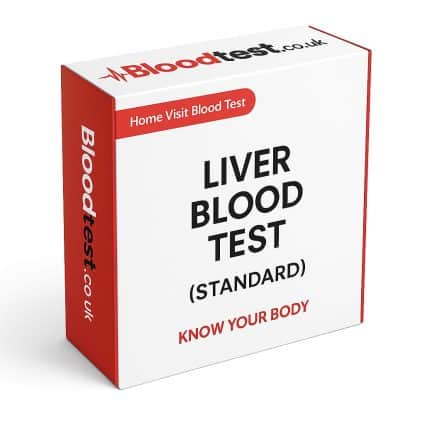
Private Liver Blood Test in Norwich: A liver blood test is a vital diagnostic procedure designed to evaluate specific enzymes and proteins present in the bloodstream, which in turn assesses overall liver function. This essential test serves a crucial role in identifying a variety of liver diseases, including hepatitis and cirrhosis, while also facilitating the monitoring of liver health over time. In the UK, these tests are readily available through NHS services, ensuring that individuals benefit from timely detection and necessary medical interventions, both of which are indispensable for enhancing health outcomes.

The results from these tests are processed locally, ensuring a rapid turnaround time that empowers individuals to make informed health decisions. The importance of these tests cannot be overstated, as they function as a frontline defence against serious liver conditions that, if undetected, could lead to severe health complications.
Key Components of the Liver Blood Testing Process
The liver blood test evaluates several essential markers, including alanine aminotransferase (ALT) and aspartate aminotransferase (AST), which are enzymes released into the bloodstream when liver cells sustain damage. Understanding these markers is crucial for accurately assessing liver function in accordance with UK medical standards. For example, elevated ALT levels frequently indicate liver inflammation, while increased AST levels may suggest broader health issues, including potential heart complications. Both markers are pivotal in informing patients and healthcare professionals about an individual’s current liver health. Furthermore, additional components, such as alkaline phosphatase (ALP) and bilirubin levels, are analysed to provide a comprehensive picture of liver function, enabling informed patient decisions based on reliable diagnostic results.
Why might you need to undergo this test?
Numerous reasons may necessitate an individual to undergo a liver blood test, particularly if they present symptoms such as jaundice, fatigue, or abdominal pain. Symptoms arising after significant alcohol consumption may prompt a visit to a general practitioner (GP) in the UK, who would likely recommend this crucial test to effectively monitor liver health. Additionally, routine checks are often advisable, especially for individuals with risk factors such as obesity or a family history of liver disease. Engaging with local clinics in Norwich simplifies access for residents to these routine assessments, promoting a culture of proactive health management and ongoing monitoring of liver function.
Expert Insights on Liver Blood Testing in Norwich
How can you interpret test results accurately?
Accurate interpretation of liver blood test results is paramount for effective health management. Abnormal results, particularly elevated enzyme levels, necessitate further investigation. Patients in Norwich should consult specialists who can offer tailored advice based on their results. For instance, if ALT levels are significantly elevated, it may suggest liver inflammation or damage, requiring follow-up tests or assessments. Patients are encouraged to pose questions and gain a thorough understanding of the implications of their test results, thereby promoting informed decision-making. Moreover, engaging with local health authorities can provide additional context and guidance on managing potential liver diseases, reinforcing the importance of collaboration between patients and healthcare providers for optimal health outcomes.
What are the benefits of regular testing for liver health?
Regular liver testing offers a multitude of long-term benefits, particularly in the early detection of potential health issues. Implementing preventative health measures can significantly diminish the risk of developing severe liver disease. Key preventive strategies to consider include:
- Maintaining a balanced diet rich in fruits and vegetables
- Limiting alcohol intake to within recommended guidelines
- Incorporating regular physical activity to manage weight
- Monitoring any medications that may impact liver health
By adhering to these strategies, individuals can significantly enhance their liver health and overall wellbeing. NHS guidelines advocate that regular monitoring can improve the management of liver-related conditions, thus underscoring the necessity for routine testing in communities across the UK.
What risks and considerations should you be aware of before testing?
Before undergoing a liver blood test, individuals need to be cognizant of various factors that could potentially influence the results. For example, certain medications can interact with liver enzymes, leading to misleading outcomes. It is advisable to discuss any medications or supplements with a healthcare provider in Norwich prior to testing. Furthermore, preparation is essential; patients should follow fasting instructions or other pre-test guidelines provided by their GP to ensure the accuracy of results. Recognising these risks and considerations facilitates safe and effective liver assessments, thereby contributing to a more accurate understanding of liver health.
How Does a Liver Blood Test Function?
What steps are involved in the testing process?
The liver blood test procedure begins with a simple blood draw from a vein, typically located in the arm. This method is commonly performed at clinics throughout the UK, including those in Norwich, ensuring accessibility for local residents. Once the blood is collected, samples are dispatched to a laboratory for analysis, where they undergo testing for various liver function markers. The results are generally available within a few days, providing timely insights into one’s liver health. This efficiency in testing not only aids in rapid diagnosis but also encourages patients to take proactive steps towards effectively managing their liver health, highlighting the significance of this essential medical procedure.
Why is timing important for obtaining accurate results?
Timing plays a crucial role in obtaining accurate liver blood test results. Several factors, such as fasting, can significantly influence the levels of certain enzymes and proteins present in the blood. For instance, consuming food or alcohol prior to the test may elevate enzyme levels, potentially obscuring the results. Consequently, scheduling tests through NHS services ensures that patients understand the importance of preparation and timing, which greatly enhances the reliability of liver health evaluations. Proper preparation not only contributes to more accurate results but also demonstrates an individual’s commitment to personal health management, empowering them to take control of their wellbeing.
What common equipment is used in the UK for testing?
Laboratories in the UK employ a variety of specialised equipment to ensure the precise processing of liver blood tests. Common tools include centrifuges, which separate blood components, and automated analysers that measure enzyme levels in accordance with national standards. These devices are essential for maintaining consistent quality in liver blood tests, particularly in clinics across Norwich where reliable diagnostic services are critical. The incorporation of advanced technology in laboratories not only enhances the accuracy of test results but also strengthens patients’ trust in the healthcare system, ensuring that individuals receive the highest standard of care in their assessments.
Research-Backed Benefits of Liver Blood Testing in Norwich
What health improvements can result from regular testing?
Regular liver blood testing can lead to significant health improvements, especially in the management of liver-related conditions. Studies conducted in the UK demonstrate that consistent monitoring can considerably reduce the risks of complications associated with liver diseases. By identifying abnormalities at an early stage, healthcare providers can implement targeted interventions that enhance patient outcomes. For example, individuals with elevated liver enzymes may be advised to modify their diet or lifestyle, which can yield notable improvements in their overall health. This proactive approach not only enhances liver function but also emphasises the importance of regular testing as a cornerstone of effective health management.
How does liver testing support overall wellbeing?
Liver blood tests play a vital role in contributing to overall wellbeing by identifying early signs of liver disease and facilitating timely interventions. The potential lifestyle benefits of regular testing include:
- Early detection of liver dysfunction
- Opportunities to modify dietary habits for improved liver health
- Encouragement to adopt a healthier lifestyle
- Increased awareness of personal health status
These advantages align closely with UK health recommendations, which advocate for regular health checks as essential for maintaining optimal liver function and overall wellbeing. By recognising the integral role of liver health in one’s overall health profile, individuals can take more proactive measures to ensure their long-term health.
What are the long-term effects on patient care?
Ongoing monitoring through liver blood tests can significantly enhance long-term patient care, as evidenced by research conducted in the UK. By establishing a routine of regular testing, healthcare providers can develop tailored follow-up plans that address individual patient needs. For instance, patients with chronic liver conditions may benefit from scheduled tests that inform treatment adjustments, ensuring they receive appropriate care based on their current health status. This commitment to continuous monitoring not only improves patient outcomes but also reinforces the healthcare system’s role in supporting individuals in maintaining liver health over time.
What is the availability and accessibility of liver blood tests in Norwich?
In Norwich, liver blood tests are widely accessible through various healthcare providers, including NHS facilities and private clinics. Accessibility is a key feature of the healthcare landscape, with many practitioners encouraging routine checks for at-risk populations. Residents can easily book appointments online or by phone, ensuring that testing is straightforward and convenient. This level of accessibility promotes a proactive approach to liver health, empowering individuals to conduct regular assessments that facilitate early detection and intervention for liver-related conditions, ultimately resulting in better health outcomes for the community as a whole.
How do liver blood tests align with UK health policies in Norwich?
Liver blood tests are integral to UK health policies that prioritise preventative care and early intervention. These policies aim to reduce the incidence of severe liver diseases through routine screening and monitoring. In Norwich, local health authorities actively promote liver health awareness, encouraging residents to participate in routine testing as part of a broader health management strategy. This alignment with national health policies underscores the importance of collaborative efforts between healthcare providers and patients, fostering a culture of health that emphasises the significance of regular liver assessments and proactive health management.
What Are the Signs That Indicate You Need a Liver Blood Test?
How can you recognise early symptoms in adults?
Recognising early symptoms that may indicate the necessity for a liver blood test is essential for timely intervention. Adults may experience a range of signs, including fatigue, abdominal pain, or unexplained weight loss, which could signify liver dysfunction. Jaundice, characterised by the yellowing of the skin and eyes, is another critical indicator that demands prompt medical attention. In the UK, individuals experiencing these symptoms should consult their GP, who may recommend a liver blood test to evaluate liver function. The earlier these symptoms are acknowledged and addressed, the more effective the management and potential treatment options can be, reinforcing the importance of vigilance regarding liver health.
Why are certain groups at higher risk for liver disease?
Certain demographic groups may face a heightened risk for liver disease, necessitating routine checks. Factors such as age, obesity, and family history can significantly increase vulnerability. UK guidelines recommend that individuals in these high-risk categories undergo regular liver assessments to prevent severe health issues. For example, older adults may experience a natural decline in liver function as part of the aging process. Conversely, individuals with a family history of liver disease may possess genetic predispositions that require closer monitoring. By being aware of these risk factors, residents in Norwich can take proactive steps to safeguard their liver health through regular testing and consultations with healthcare providers.
What follow-up actions should you take after testing?
Upon recognising symptoms that may suggest liver dysfunction, individuals must seek advice from UK healthcare providers. This may involve scheduling a liver blood test, during which healthcare professionals will assess the results and determine the necessary follow-up actions. Comprehensive care may include dietary adjustments, lifestyle changes, or referrals for further liver evaluations. Engaging with healthcare providers ensures that individuals receive tailored advice and support, facilitating a proactive approach to managing liver health and preventing potential complications.
How to Prepare for Your Liver Blood Test in the UK
What preparation is required beforehand for the test?
Preparation for a liver blood test is crucial to ensure accurate results. Patients are typically advised to follow specific instructions, such as avoiding alcohol for at least 24 hours before the test. Adhering to these UK protocols enhances the test’s effectiveness and mitigates the risk of misleading results. Additionally, patients may be instructed to fast for a designated period prior to the test, which can further optimise the accuracy of enzyme measurements. By understanding and following these preparation guidelines, individuals can contribute to more reliable testing outcomes, ultimately supporting better health management.
What common post-test procedures should you follow?
After undergoing a liver blood test, it is crucial to monitor the results with a GP for effective health management. This follow-up allows for adjustments in treatment plans based on the findings and aligns with UK standards for ongoing liver health monitoring. Patients are encouraged to discuss their results in detail, posing questions about any necessary lifestyle changes or further assessments. Engaging in this post-test dialogue helps ensure that individuals remain informed and proactive about their liver health, reinforcing the importance of ongoing care in managing potential liver issues.
How can you access testing services locally in Norwich?
Accessing liver blood testing services in Norwich is straightforward, with numerous options available to residents. Individuals can book appointments through NHS services, which are designed to facilitate easy access to necessary liver assessments. Many clinics offer online booking systems, enabling patients to conveniently schedule appointments. This user-friendly approach eliminates barriers to testing, ensuring that residents can undergo necessary liver evaluations without complications. Proactive health engagement through these accessible services underscores the importance of regular monitoring and timely interventions for liver health.
What potential side effects should you be aware of, and how to manage them?
Patients in the UK should be aware of potential side effects following a liver blood test, which may include bruising, dizziness, or, in rare cases, infection at the puncture site. Understanding these possibilities allows for better preparation and prompt action if issues arise. Following NHS guidelines, individuals are advised to apply pressure to the site post-test to reduce bruising and to rest if feeling lightheaded. If any concerning symptoms develop, seeking immediate medical attention is crucial. Being informed about potential side effects contributes to a safer testing experience and supports overall health management during the process.
Frequently Asked Questions (FAQs)
What is a liver blood test, and what does it measure?
A liver blood test measures enzymes and proteins in the blood to assess liver function and diagnose conditions such as hepatitis. It is commonly conducted through NHS services in the UK.
Why might you need a liver blood test?
You may require a liver blood test if you experience symptoms such as jaundice, fatigue, or abdominal pain, or if you engage in behaviours that could affect liver health, such as excessive alcohol consumption.
How are liver blood test results interpreted?
Liver blood test results are interpreted by assessing enzymes such as ALT and AST. Abnormal results indicate potential liver issues, and consultation with a healthcare provider is essential for further evaluation.
How often should you get a liver blood test?
The frequency of testing depends on individual risk factors and symptoms. Those with liver disease or risk factors may require more frequent testing, while others may only need routine checks every few years.
What actions should you take in case of abnormal results?
If you receive abnormal liver test results, consult with your healthcare provider to discuss further evaluations, potential lifestyle changes, and treatment options tailored to your specific health needs.
Can you eat or drink before a liver blood test?
You may be required to fast before the test, so it is essential to follow your doctor’s instructions regarding food and drink to ensure accurate results.
What are the risks associated with liver blood tests?
Risks are minimal but may include bruising or infection at the blood draw site. Discuss any concerns with your healthcare provider.
Where can you access a liver blood test in Norwich?
Liver blood tests are available at NHS clinics and private healthcare providers in Norwich. You can easily book an appointment through their online services or by contacting them directly.
How long does it typically take to receive liver blood test results?
Results from a liver blood test are typically available within a few days. Your healthcare provider will contact you to discuss the findings.
What lifestyle changes can improve liver health?
To enhance liver health, consider adopting a balanced diet, engaging in regular physical activity, limiting alcohol intake, and avoiding medications that may harm the liver. Regular check-ups are also vital for ongoing health.
Join our community on Facebook!
This Article Was First Found On https://bloodtest.co.uk
The Article Liver Blood Test Essentials: A Local Guide for Norwich Residents found first on https://electroquench.com