The expenses associated with constructing a pergola in Brisbane can vary greatly, primarily influenced by the specific attributes of your project rather than a one-size-fits-all pricing structure. Critical factors that affect the total cost include the pergola’s size, the selection of materials and timber types, the roofing option chosen, the need for engineering assessments and local council approvals, as well as the accessibility of the installation site. For example, a small open timber pergola usually falls at the lower end of the price spectrum, while a large engineered structure topped with a durable Colorbond roof typically commands a higher price point.
To give you a more comprehensive understanding of the cost determinants, we present a detailed analysis of the main factors, helping you make an informed decision before requesting a quote.
We specialise in the design and construction of pergolas, patios, and carports across Brisbane and the Redlands, providing customised quotes that address each project’s unique requirements—without any hidden costs. To obtain a personalised estimate for your property, please call 07 3064 0661 for a complimentary quote.
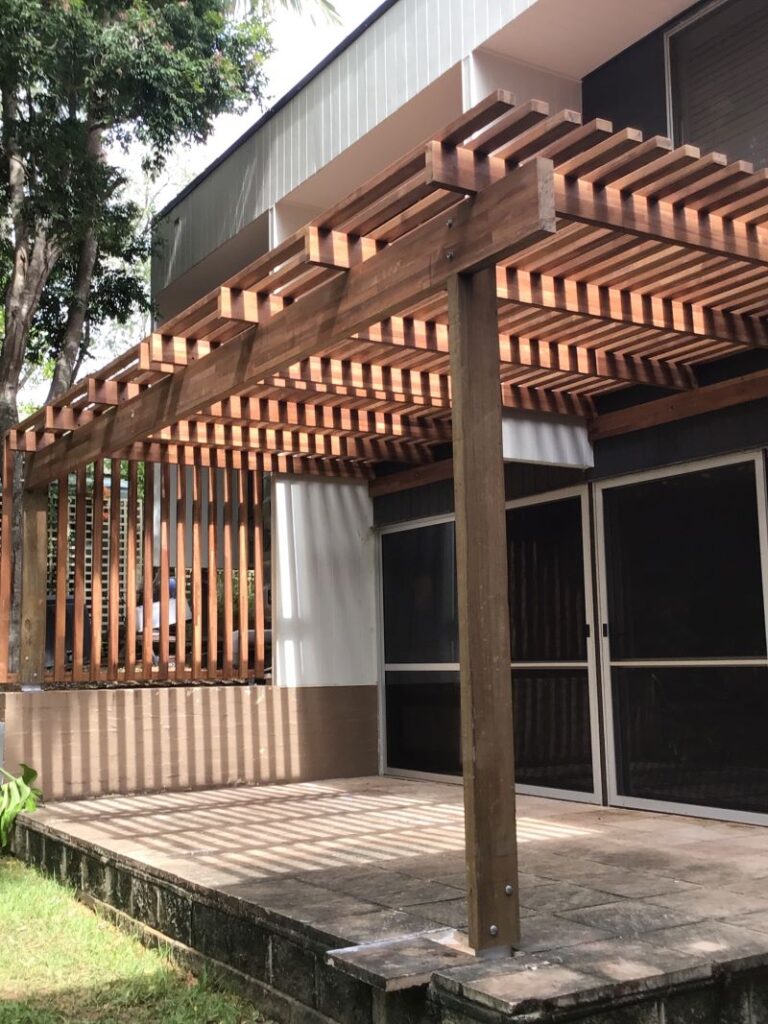
Which Factors Significantly Affect Pergola Construction Costs?
The anticipated cost of building a pergola is primarily influenced by six essential factors. Understanding these components will clarify why two seemingly similar pergolas might have notably different pricing.
What Are the Dimensions and Span of the Pergola?
The overall dimensions of the pergola directly affect the amount of materials required, the necessary footings, and the labour involved—this is a fundamental aspect to consider. The span is equally important. A pergola that needs to bridge a significant distance between posts requires larger beams or steel to support the load without sagging, which raises costs compared to designs that incorporate more posts. While wide, open spans are visually appealing, they bring forth engineering considerations that go beyond simple measurements.
How Do Material Choices and Timber Species Affect Costs?
The selection of materials offers considerable potential for cost variation. A treated pine pergola is the most economical choice. In contrast, hardwoods such as merbau or spotted gum come at a higher price but provide greater durability against Brisbane’s intense sun and humidity, as well as enhanced aesthetic appeal. Powder-coated steel or aluminium frames also belong to a different pricing tier. The materials and timber species chosen not only dictate initial costs but also impact long-term maintenance requirements, making thoughtful consideration essential.
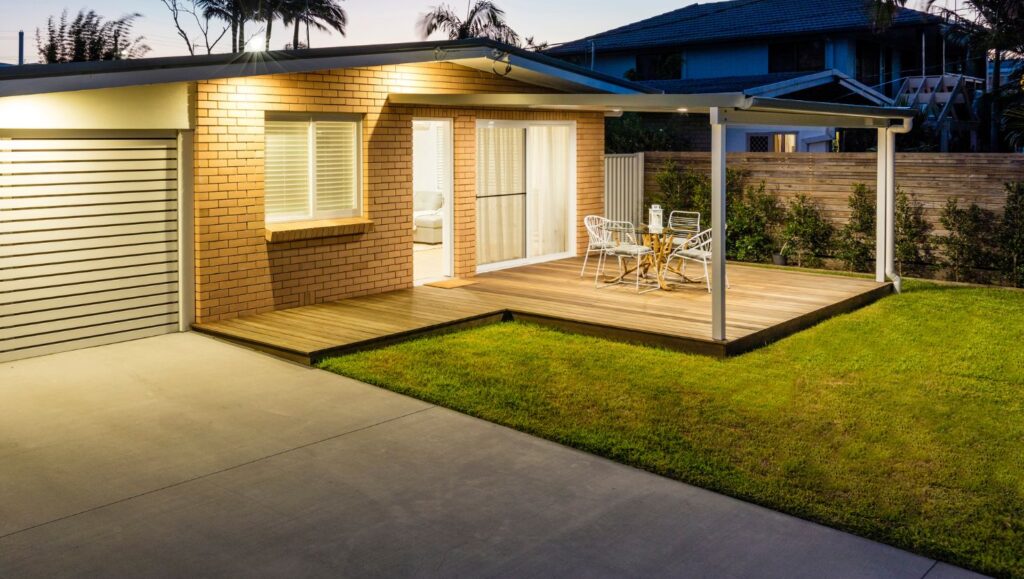
What Impact Do Roofing Options Have on Pergola Costs?
An open pergola featuring just the frame and rafters is the most cost-effective option. Adding a roof increases the overall expense, depending on the materials selected: polycarbonate sheets, insulated panels, or a solid Colorbond roof that transforms the pergola into an all-weather patio. Each upgrade requires additional materials and labour; a solid roof may also necessitate extra structural support and relevant approvals.
What Are the Engineering and Council Approval Requirements?
A simple, low freestanding pergola may not require extensive engineering. larger structures, those with long spans without posts, pergolas attached to a home, or those located in flood-prone or windy areas often need engineered footings and certification. If your design requires building approval through a certifier—which is common—this will also add to the total cost. Our guide on council approvals can clarify when such permissions are necessary.
How Does Site Accessibility and Ground Conditions Affect Costs?
The accessibility of the construction site is often overlooked when considering its effect on overall costs. A flat yard with side access simplifies the building process. Complications such as sloped land, reactive clay soil, tight urban settings, or scenarios where materials must be transported through a home can increase both time and labour expenses. Difficult footing conditions, such as rock or fill, can also raise costs before construction begins.
Which Enhancements and Additional Features Influence Pricing?
Incorporating features such as lighting, ceiling fans, privacy screens, decking underneath, screening plants, paint or stain finishes, and gutters on a covered pergola can significantly raise the overall cost. While these enhancements are optional, they often distinguish between an economical build and a high-end construction.
Why Can’t Builders Provide Immediate Quotes Over the Phone?
An accurate quote requires specific details about your project, as arbitrary estimates can lead to unwanted changes during the project or inflated quotes to account for unforeseen variables. Neither of these scenarios is fair to you.
A comprehensive quote can only be produced once the pergola’s dimensions, materials, roofing type, site conditions, and any necessary approvals are clarified. This method ensures that the figure you receive accurately reflects the final amount you will need to pay. If a builder offers a flat rate without assessing the site, it is wise to ask how they intend to manage unexpected issues, such as challenging ground conditions or other setbacks—these are often the situations that lead to unforeseen costs.
How Can I Lower Costs Without Sacrificing Quality?
There are several effective strategies to reduce costs without compromising the quality of your pergola.
Choosing standard spans in your design—steering clear of wide, post-free spans—can eliminate the need for larger beams or steel. Opting for an open or polycarbonate roof instead of a fully insulated Colorbond roof can also yield significant savings if year-round weather protection is not a priority. Selecting treated pine instead of hardwood can lower initial costs, provided you are willing to manage the associated maintenance. Building on a flat, easily accessible area of your yard helps prevent additional expenses related to challenging footings or access issues.
Avoid cutting corners on engineering, certification, or hiring a licensed builder. In Queensland, all building projects valued over $3,300 must be carried out by a QBCC-licensed builder. Skipping this requirement in an attempt to save money jeopardises your insurance, warranty, and the structural integrity of your pergola.
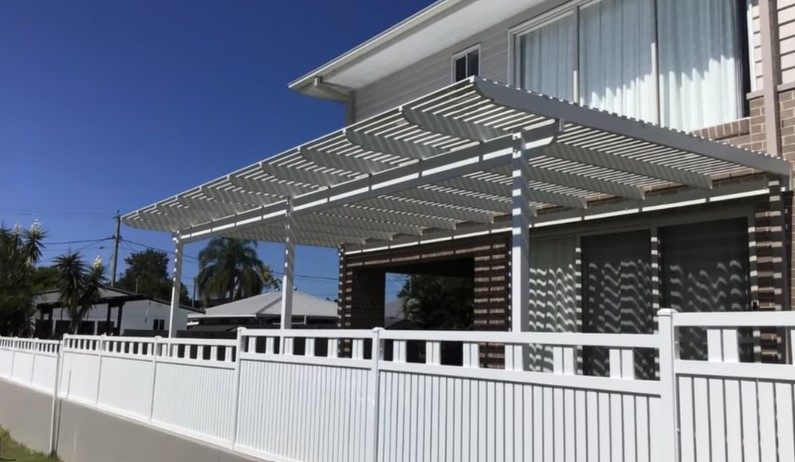
Essential Insights on Pergola Pricing in Brisbane
The price of a pergola in Brisbane is influenced by various factors, including size, materials, roofing style, engineering requirements, council approvals, and site accessibility. Share these details with us, and we will provide you with an accurate quote—no hidden fees and no flat-rate estimates.
To receive a free, personalised quote, please call 07 3064 0661 or contact us with detailed information about your property. Explore our portfolio of pergolas, carports, and decks for inspiration.
Common Questions About Pergola Costs
What Is the Average Cost of a Pergola in Brisbane?
There is no fixed price for a pergola; costs vary based on the specific details of each project rather than a standard rate. Pricing factors include dimensions and span, material choices (with treated pine being the most affordable, hardwoods like merbau or spotted gum being more expensive, and steel or aluminium adding to the overall cost), roofing style (open, polycarbonate, or solid Colorbond), and the need for engineering and council approvals. A small open timber pergola typically falls at the lower end of the cost range, while a large engineered structure with a solid roof is significantly more costly. For an accurate estimate based on your design and site conditions, contact us at 07 3064 0661 for a transparent quote.
How Does the Type of Timber Impact Pricing?
Different timber species vary in cost, durability, and their capacity to withstand Brisbane’s climate. Treated pine is the most cost-effective option and performs adequately with proper maintenance, although it requires regular sealing or painting. Hardwoods such as merbau and spotted gum, while more expensive initially, are better suited to the region’s sun and humidity, maintaining their appearance with less upkeep. Your choice of timber affects both the initial cost and long-term maintenance, making it vital to consider the pergola’s lifespan. We can assist you in navigating these options based on your specific needs to ensure informed choices.
Is It More Affordable to Build a Pergola or a Carport?
Comparative costs depend on size, roofing style, and materials rather than the nature of the structure itself. An open pergola without a roof is generally the least expensive option as it avoids roofing materials and the additional structural costs associated with a roof. Conversely, a carport, being a roofed structure, incurs roofing costs and often requires building approval, which can elevate its price compared to a simple pergola of the same dimensions. A large, fully roofed pergola can exceed the cost of a smaller, straightforward carport. The best approach is to obtain estimates for both structures based on your site and intended use. We provide pricing for both options side by side to assist in your decision-making.
Are Council Approvals Required for Pergolas, and How Does This Affect the Cost?
In many instances, yes, and if required, it constitutes a legitimate expense. Numerous pergolas in Brisbane and the Redlands require building approval from a licensed certifier, which incurs a fee. Whether approval is necessary depends on factors such as size, height, roofing style, whether it is attached to a residence, boundary setbacks, and any overlays applicable to your property. Generally, a small, low, open freestanding pergola is likely to be exempt, while anything larger or roofed typically requires approval. We include approval and certification costs in our quotes when necessary, ensuring the final price accurately reflects the complete and compliant structure, rather than a figure that may increase later.
What Represents the Largest Expense in Constructing a Pergola?
Typically, the combination of a significant span and a solid roof represents the largest costs due to the structural requirements involved. An expansive, post-free pergola requires larger beams or steel and engineered footings to support the load, while a solid insulated or Colorbond roof incurs additional materials and labour costs, often necessitating extra certification. Complicated site conditions, such as sloped blocks, reactive clay, rock, or difficult access, also significantly contribute to costs, complicating footing installation and material handling. In contrast, a simple open pergola situated in a flat, easily accessible yard is the most economical option. Understanding which factors pertain to your project highlights the importance of obtaining a site-specific quote rather than vague estimates.
Can I Build a Pergola Myself to Save Money?
You may manage certain aspects of the construction, but legal restrictions apply concerning structural work in Queensland. Any building project valued over $3,300 (including materials and labour) must be executed by a QBCC-licensed builder—most constructed pergolas exceed this threshold when materials and installation are considered. Attempting structural work yourself beyond this limit poses risks and is illegal, potentially voiding your home insurance and warranties if the structure fails or suffers storm damage. A licensed builder offers protection under the Queensland Home Warranty Scheme where applicable. If budget constraints are a concern, more effective savings typically arise from material and design choices rather than bypassing a licensed builder. We are a QBCC-licensed builder (Lic. 15154266) and provide clear quotes to ensure transparent pricing.
Original Article First Published At: What Does a Pergola Cost in Brisbane?
The Article: Pergola Costs in Brisbane: What to Expect first appeared on https://writebuff.com
The Article Pergola Costs: What to Expect in Brisbane Was Found On https://limitsofstrategy.com
The Article Pergola Costs in Brisbane: What You Need to Know found first on https://electroquench.com