Have you noticed that the shelves for rat bait at Bunnings or your local supermarket are increasingly empty? Your observation is spot on. Recent changes in regulations concerning rodent bait in Australia have significantly affected what Sydney homeowners are able to purchase.
Let us delve into these recent updates and their implications for effectively managing rat and mouse infestations in your home.
What You Need to Know About Recent Changes to Rodent Bait Regulations
In March 2026, the Australian Pesticides and Veterinary Medicines Authority (APVMA), which regulates pesticide use across the country, introduced significant limitations on a category of rat baits known as Second Generation Anticoagulant Rodenticides (SGARs).
Two major actions were taken. On 12 March 2026, the APVMA reclassified these baits as Restricted Chemical Products, allowing only licensed professionals to use them. Subsequently, on 24 March 2026, the registration of all SGAR products was temporarily suspended for a year as new regulatory frameworks are established.
In essence, the potent rat baits that were once available on store shelves alongside fly sprays are being removed from public access.
The five active ingredients impacted by this regulation include brodifacoum, bromadiolone, difenacoum, difethialone, and flocoumafen. If you check an old box of bait stored away in your shed, you will likely see one of these substances listed.
What Are the Reasons Behind These Regulatory Changes?
These regulatory updates are not mere formalities; they arise from serious concerns regarding wildlife safety. While SGARs effectively eliminate rodents, they also pose significant risks to non-target species.
When a rat consumes this bait, the toxin remains in its system. If an owl, kookaburra, or even a household pet later consumes the poisoned rodent or comes into contact with the bait, they too can suffer from poisoning. This occurrence, known as secondary poisoning, has been increasingly documented in Australian wildlife, particularly affecting native owls and other predatory birds.
The primary motivation for these regulatory changes is to protect non-target wildlife. Although these baits are effective, the unintended consequences for other animals present a significant dilemma that regulators are actively addressing.
Essential Information for Homeowners on Rodent Control
If you have relied on retail bait for rodent control in the past, your options are now becoming limited. The products that are being removed from shelves are the most effective, and they will no longer be easily accessible.
It is crucial to understand that poison should never have been considered the primary method for addressing rodent problems. The most effective long-term strategy involves preventing rodents from entering your home in the first place, followed by targeted baiting only when absolutely necessary and carried out responsibly. (For guidance on how to rodent-proof your home, please refer to our comprehensive guide.)
Our Recommended Rodent Bait: Selontra
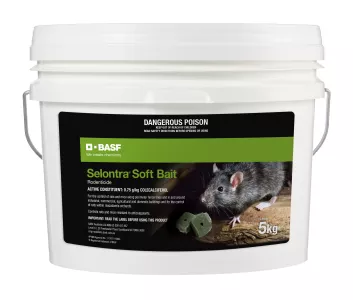
At So Pest Off, we promote the use of Selontra as our preferred bait throughout Sydney. This professional-grade solution, produced by BASF, works in a manner distinct from the baits that are being phased out.
The active ingredient in Selontra is cholecalciferol, commonly known as Vitamin D3, which is not classified as an anticoagulant. It is not included in the SGAR suspension and has a considerably lower risk of secondary poisoning compared to the older products. Selontra is classified as a Schedule 7 product, meaning it is intended for professional use only and will not be available on supermarket shelves, a measure that is intentional.
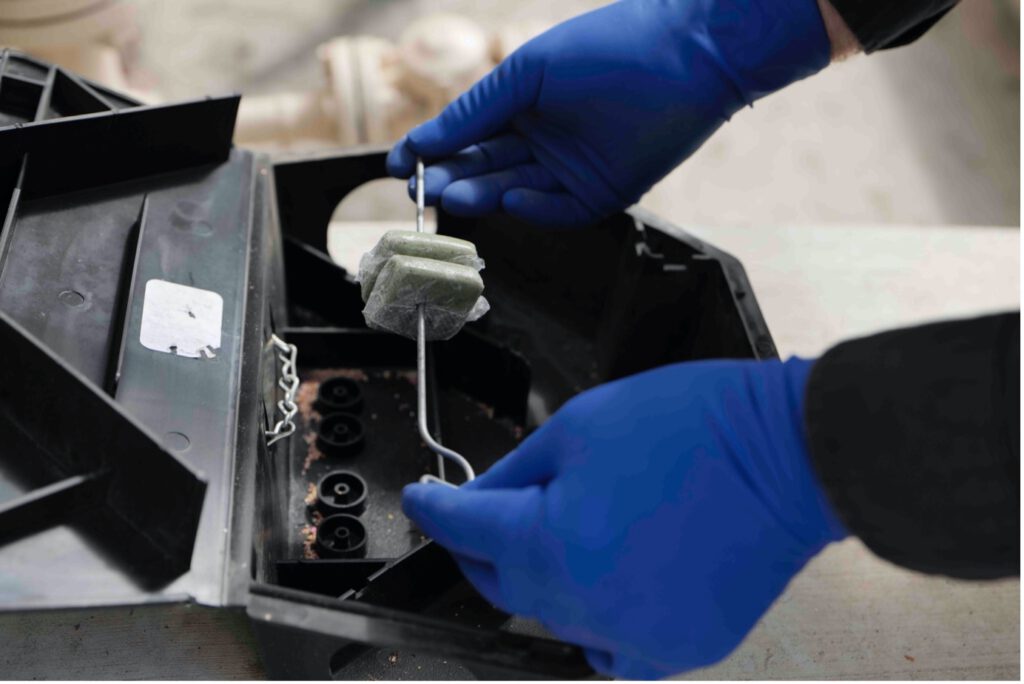
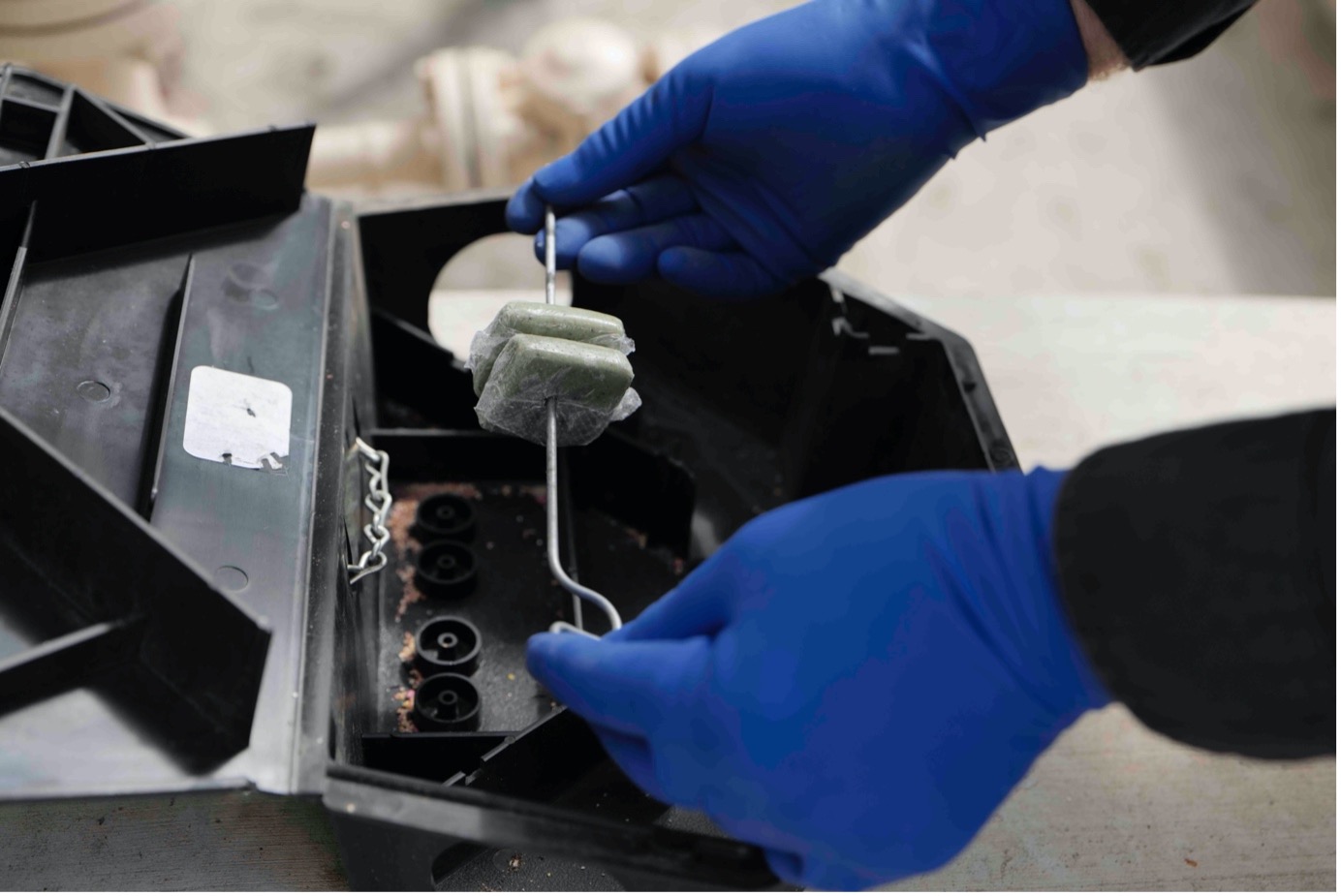
We incorporate it as part of a comprehensive management programme, using tamper-resistant stations that are strategically placed and monitored, ensuring it is never left out indefinitely. This level of oversight reflects professional services, providing a level of care that DIY methods simply cannot match.
Our Dedication to Effective Rodent Management Strategies
In response to the newly established regulations, we can now offer rodent baiting services exclusively to clients enrolled in regular maintenance programmes, rather than one-off applications like “just pour some poison in the roof.”
This approach is not intended to be restrictive; rather, it is a responsible way to implement professional baiting. Ongoing monitoring, timely refills, and integrating preventive measures for your home are essential to avoid a recurrence of the problem. One-time baiting without follow-up is precisely what the new regulations aim to eliminate.
For commercial establishments, particularly restaurants, we provide Bluetooth-monitored bait stations that track rodent movements. This data enables us to identify potential entry points, ensuring we seal actual access routes rather than relying on guesswork. (Discover more in our rodent-proofing guide.)
Frequently Asked Questions About the New Rodent Bait Regulations
Can I still buy rat bait at Australian supermarkets?
The most powerful baits, known as Second Generation Anticoagulant Rodenticides, are being phased out from general retail availability due to the APVMA’s March 2026 decision. While some less potent alternatives may still be accessible, the heavy-duty options that consumers previously relied upon will be withdrawn over the next 12 months. For serious rodent infestations, hiring a licensed pest controller is now the most reliable solution.
What led to the restrictions on rat baits in Australia?
The baits have not been completely banned; rather, they are restricted to professional application only. The APVMA intervened because these products can lead to secondary poisoning, affecting native owls, other predators, and household pets that consume poisoned rodents or access the bait directly. The aim of these changes is to protect non-target animals while allowing controlled professional application.
Is Selontra impacted by the new regulations?
No, Selontra remains unaffected. Its active ingredient, cholecalciferol (Vitamin D3), is not an anticoagulant, allowing it to remain outside the SGAR suspension. It is a professional-use product that we use as part of a managed baiting programme, significantly lowering the risk of secondary poisoning compared to the withdrawn products.
Is professional help now required for rodent control?
Yes, for any situation beyond the occasional mouse sighting, professional assistance has become essential. With the most potent baits restricted to licensed professionals and effective proofing being the true long-term solution, a qualified pest controller offers a safer and more effective approach. Our rodent control service addresses this need — or you can contact So Pest Off at 0410 244 244 to discuss your specific situation.
Key Takeaways from the New Regulations
The changes to rat bait regulations are driven by the need to prevent unintended harm to wildlife; previous products were inadvertently poisoning non-target animals. While bait is still available, it is now restricted to professional use, ensuring it is applied correctly alongside measures to secure your home against rodent entry.
If you are facing a rodent issue, reach out to So Pest Off at 0410 244 244. We will devise a comprehensive strategy to effectively keep them at bay.
Original Article First Published At: New Rat Bait Laws in Australia: What’s Changed and What It Means for You
The Article: Rat Bait Laws in Australia: Key Changes You Need to Know first appeared on https://writebuff.com
The Article Rat Bait Laws in Australia: Important Updates You Should Know Was Found On https://limitsofstrategy.com
The Article Rat Bait Laws in Australia: Key Updates You Must Know found first on https://electroquench.com